

This article is a part of Poland Unpacked. Weekly intelligence for decision-makers
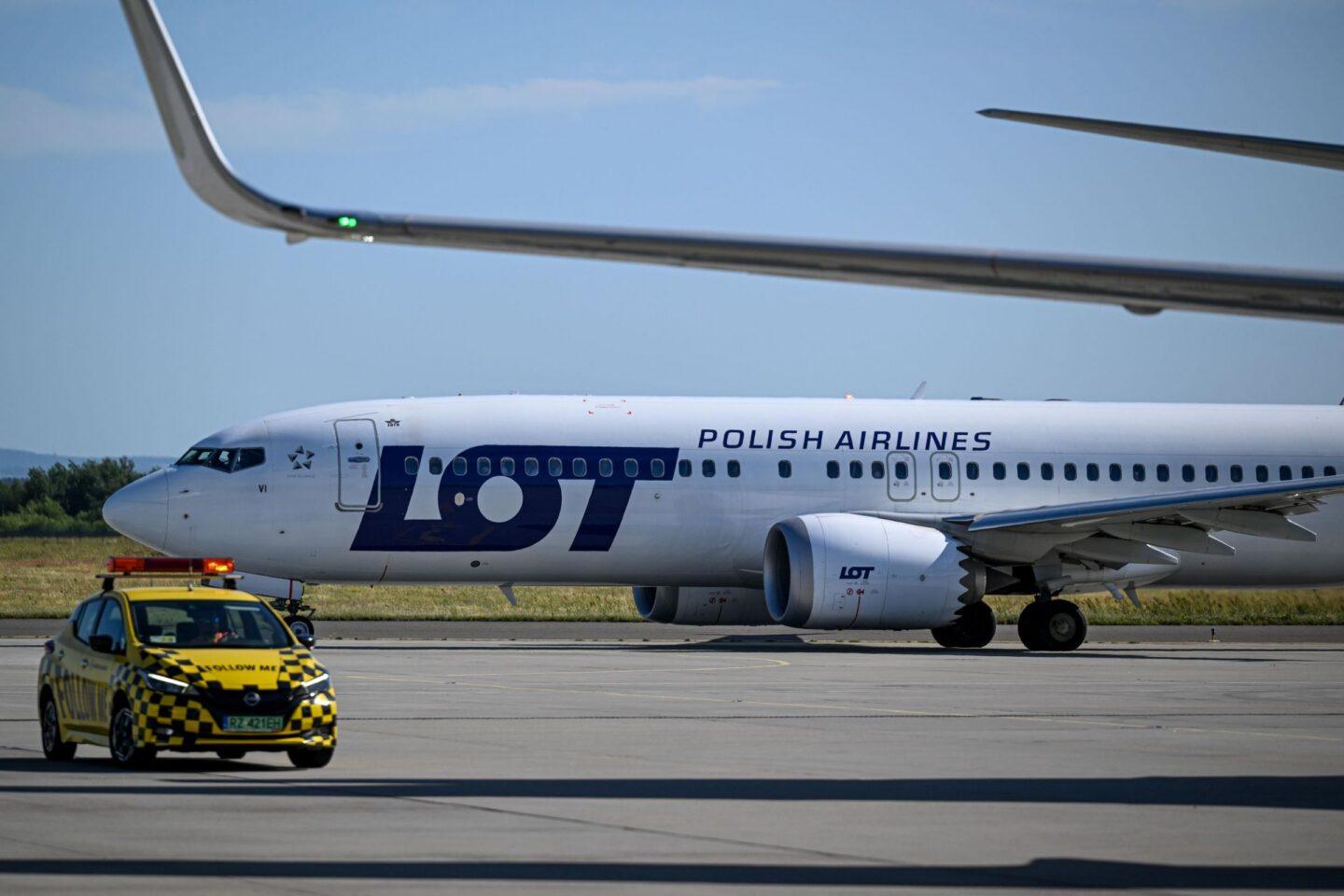
LOT Polish Airlines is scaling back its winter schedule, suspending some routes and reducing flight frequencies on others, partly because of high fuel prices. One aviation expert warns that 2027 could be a particularly difficult year for the industry.
LOT Polish Airlines will suspend several routes from its winter flight schedule. As part of its network adjustments, Poland’s national carrier will discontinue services between Warsaw and Bologna, as well as flights from Kraków to Madrid, Rome and Barcelona. Flights on some other routes will operate less frequently.
The airline explains that it considered a range of factors affecting the profitability of individual routes when planning its schedule.
"This was a business decision based on an analysis of our entire route network. LOT operates a hub-and-spoke model [an airline operating model in which most routes are concentrated around a central airport that serves as a transfer hub – editor's note], so our network is an interconnected system. Winter schedules are usually smaller than summer ones, and we have also made some targeted cancellations," Krzysztof Moczulski, LOT's spokesperson, told XYZ.
The key factor, however, is the high cost of aviation fuel. Prices began rising sharply in late February and early March following the US-Israeli attack on Iran and the escalation of the conflict in the Middle East. This disrupted traffic through the Strait of Hormuz, a strategic shipping route that, before the conflict, carried around 20% of the world's oil consumption and more than 20% of internationally traded liquefied natural gas (LNG).
In February, fuel still accounted for around a quarter of airlines' operating costs. Its share has since risen substantially for some carriers. In LOT's case, it was estimated at approximately 40%. According to the International Air Transport Association (IATA), global jet fuel prices are now considerably higher than a year ago.
Experts: A rational decision – and the only option
Dr. Tomasz Balcerzak, vice-dean responsible for the internal security program at the University of Technology and Commerce, believes the cuts are part of an effort to optimize LOT's route network. He describes the airline's decision as "rational."
"High fuel prices are prompting the airline to abandon routes that are currently unprofitable and have little prospect of becoming profitable in the foreseeable future. If fuel prices remain at their current elevated levels, such routes will be difficult to justify economically," he told XYZ.
Balcerzak adds that LOT may initially have assumed a more optimistic scenario in which today's loss-making routes would eventually become profitable and aviation fuel prices would decline.
Market conditions, however, remain difficult. Jet fuel is considerably more expensive than a year ago, and prices are highly volatile. For airlines, this represents a substantial financial burden.
"Airlines have limited scope to pass rising fuel costs on to passengers, particularly in winter, when demand in Europe falls seasonally. Cutting routes is effectively the only thing airlines can do right now, but they must be careful. Excessive cuts at a hub-based airline can trigger a downward spiral in revenue by reducing the number of available connections through the hub," aviation expert Dominik Sipiński told XYZ.
He notes that LOT's financial performance in recent years provides a certain safety cushion. But the longer fuel prices remain high, the more difficult conditions become for airlines – not just Poland's national carrier.
"2027 could be a very difficult year. Even airlines that currently benefit from cheaper fuel secured through hedging contracts, such as Ryanair, will eventually start raising fares. That, in turn, will weaken the entire market," Sipiński concludes.
LOT ended 2025 with a profit, although it was significantly lower than in 2024. The national carrier generated revenue of PLN 10.21 billion in 2025, around 3% more than a year earlier.
Its net profit reached PLN 346.2 million, almost half the PLN 664.5 million recorded the previous year. Operating profit also declined, falling from PLN 781.7 million to PLN 422 million.
LOT also hedges against fuel price increases
Airlines can limit their exposure to rising fuel prices through a practice known as hedging. This involves, among other things, entering into financial contracts in advance to lock in fuel prices for a specified period in the future.
Such arrangements allow carriers to reduce the impact of sudden price increases on their operating costs. In return, however, they give up some of the potential benefits if fuel prices fall.
Ryanair is among the airlines that have publicly discussed this strategy, emphasizing that it had secured a substantial proportion of its future fuel purchases at more favorable prices.
LOT also uses hedging, although the extent of its arrangements is less widely known than those of the Irish carrier.
Dr. Tomasz Balcerzak suspects that LOT is cautious about hedging because of negative experiences in the past.
In 2008, unfavorable settlements of fuel hedging contracts contributed to serious financial losses at the airline. LOT Group ended that year with a net loss exceeding PLN 700 million, a substantial part of which resulted from hedging transactions.


Key Takeaways
- High fuel prices are forcing LOT to reduce its winter flight schedule. Fuel costs have risen to approximately 40% of the airline's operating expenses. With limited scope to increase ticket prices, carriers are looking for savings by suspending less profitable routes and reducing flight frequencies.
- Cutting flights can be particularly risky for hub-and-spoke airlines such as LOT. The carrier serves not only passengers flying directly to their destinations but also those connecting through Warsaw. Excessive cuts could make its network less attractive, reduce the number of available connections and ultimately lead to further revenue losses.
- Airfares could rise further in 2027. Even airlines that previously protected themselves against rising fuel prices may feel the impact as favorable hedging contracts expire, potentially forcing them to increase fares. LOT has some financial breathing room thanks to its earlier strong results, but persistently high fuel prices will place an increasingly heavy burden on the carrier.