

This article is a part of Poland Unpacked. Weekly intelligence for decision-makers
Germany’s Rossmann has firmly embedded itself in Poland’s retail landscape, becoming one of the country’s most popular chains. In October, 32 years after entering the market, it opened its 2,000th drugstore – and now launches more than 100 new outlets each year.
Yet while Rossmann dominates Poland, internationally – and even in Germany – it is outpaced in revenues by a domestic rival: dm drugstores. Rossmann closed 2024 with EUR 15.3bn in revenues (about PLN 65bn) and 4,966 stores across ten countries (in Germany: EUR 9.9bn and 2,311 outlets). dm, in its 2024/2025 financial year (ended in September), reported EUR 19.2bn in sales and 4,189 drugstores in 14 countries (in its home market: EUR 13.3bn and 2,154 stores).
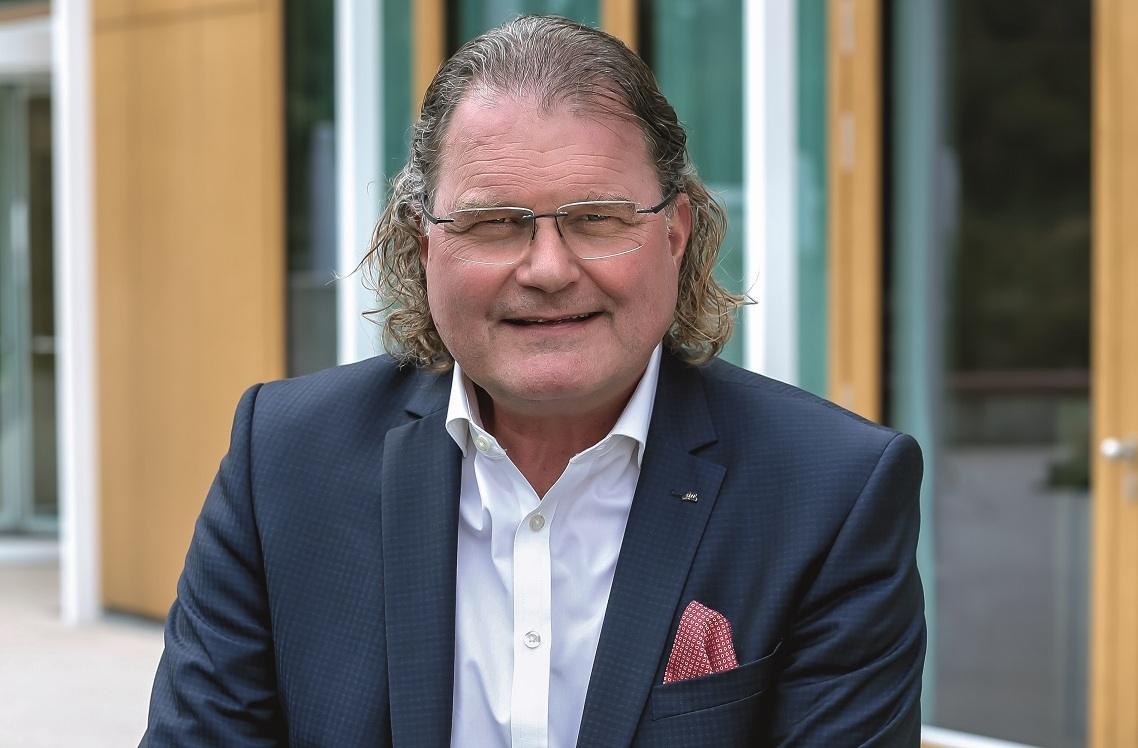
“In Western Europe – and especially in Germany – dm has been present for many years and enjoys a well-established position. In Poland, we are still in a phase of dynamic expansion. This is a unique chapter in our development,” says Markus Trojansky, managing director of dm-drogerie markt in Poland. “Our main objectives in the Polish market are brand-building and expanding the store network.”
More than 70 drugstores are just the beginning
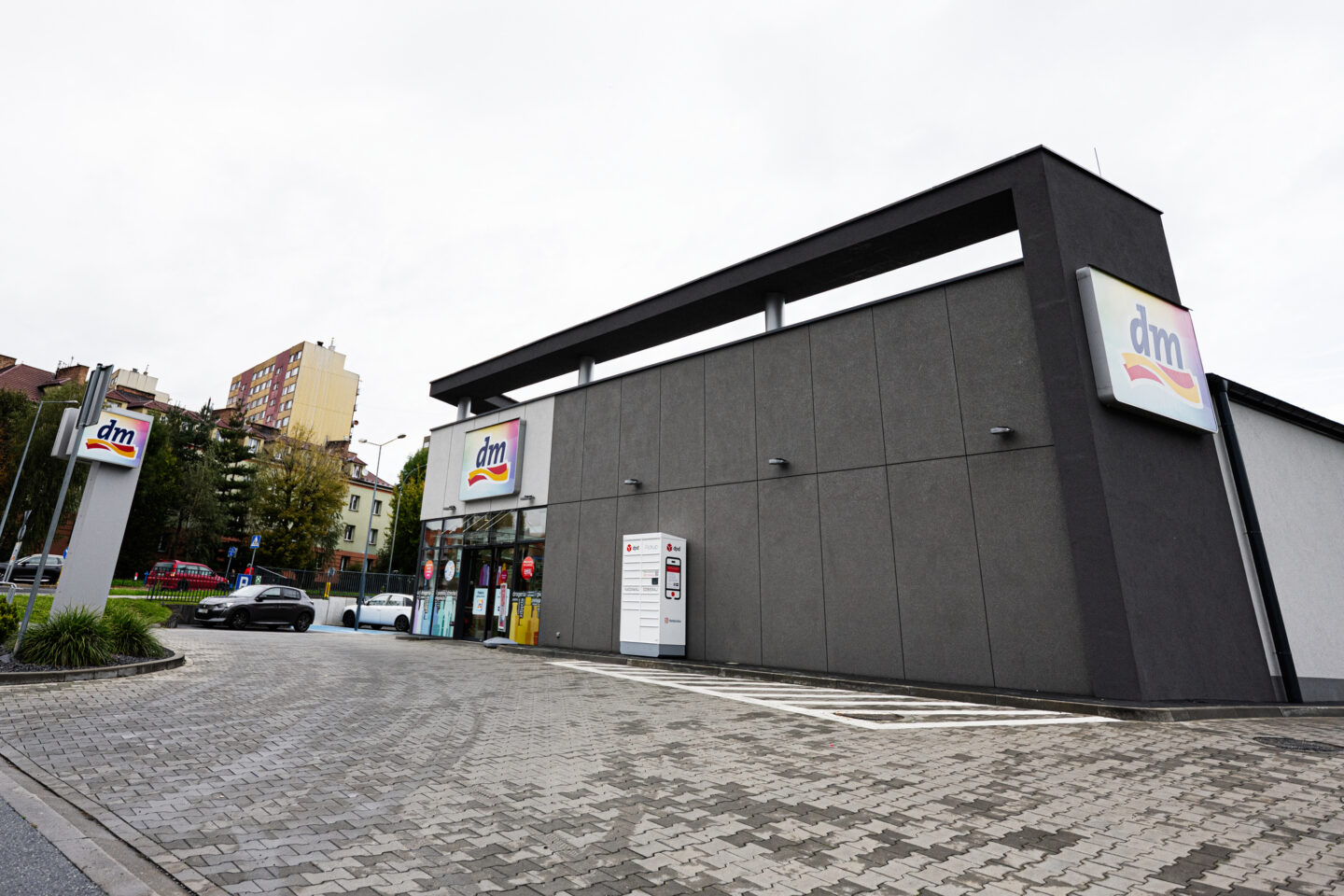
The chain opened its first store in Poland in April 2022. By the end of 2024, it operated 50 outlets; today, it has more than 70. Their combined floor space exceeds 43,000 square meters, implying an average of about 600 square meters per store – slightly above the group average of 500–519 square meters in recent years.
“After just over three years of operations, we are present in most of the largest urban agglomerations. We have reached a scale that allows us to analyze performance with great precision, draw clear conclusions, and define our next objectives,” says Markus Trojansky. “We can see that brand awareness has already reached a level that increasingly supports sales results. This year, we are observing a clearly higher like-for-like (LFL) sales growth, excluding new store openings. A great deal of the credit goes to our employees, who place customers at the very center of what they do.”
In its first, extended year of operations (from early 2022 through September 2023), the company generated PLN 78.6m (EUR 18.7m) in revenues in Poland. In the 2023/2024 financial year (October–September), sales rose to PLN 127.8m (EUR 30.4m). The company has not disclosed figures for the previous year.
“Over the past few years, we have consistently recorded dynamic sales growth – clearly higher than what could be explained solely by the number of new store openings or the rising brand recognition of dm in Poland,” Markus Trojansky says.
 Interactive chart Interactive chart
 One of Europe’s most competitive markets
With revenues rising from PLN 15.9bn to PLN 17.9bn (EUR 3.9-4.2bn) in 2024, Rossmann has left its direct competitors far behind. The clear runner-up remains Hebe. The chain – part of Portugal’s Jeronimo Martins group alongside Biedronka retail stores – operated 381 stores at the end of 2024 (five outside Poland), with a total floor space of 97,000 square meters and sales of EUR 583m. Natura also maintains a sizeable footprint in drugstores, with more than 200 outlets; the chain was acquired last year from Pelion by the private-equity firm Mutares.
Competition in Poland’s drugstore market is exceptionally fierce. The landscape also includes chains such as Super-Pharm, online drugstores (including eZebra, acquired in 2024 by Dino), as well as discount retailers offering a broad range of cosmetics and personal-care products.
Good to know
Dino
Dino is a rapidly expanding Polish-owned supermarket chain with over 2,900 proximity stores nationwide, offering affordable fresh groceries, daily deliveries, and a wide assortment of around 5,000 products.
“Poland is one of the most competitive drugstore markets in Europe. Compared with other countries in which dm operates, it stands out for its high level of development, the presence of strong players, and highly aware customers,” says Markus Trojansky. “Competition is intense, but we clearly see it as a positive force. It motivates all market participants – including us.”
For the company, the Polish market is of strategic importance. It has not yet specified a target number of stores, but plans to open around 15 in 2026.
“Our goal is not to be the largest drugstore chain in Poland,” the manager assures. “We want to be the best drugstore for customers – one they choose with confidence because of product quality, the competence of our staff, a pleasant shopping experience, and a transparent pricing policy. We view our competitors with respect, without the pressure of competing for scale.”
Multi-million investments – set to grow further
The average cost of opening a single dm drugstore in Poland is about PLN 3m (EUR 713k) – and that is only part of the investment the company is making in the country. In the first two years alone, operating expenses of the Polish subsidiary amounted to just under PLN 450m (EUR 107m). With sales still relatively modest, this translated into a cumulative net loss of nearly PLN 250m (EUR 59m) over that period.
“From the outset of our presence in Poland, we assumed that the first years would require intensive investment and operating in a model similar to that of a startup,” says Markus Trojansky. “This is a deliberate phase of laying the foundations for long-term growth. Our priorities were the quality of the offer, operational standards, the customer experience, and strengthening the brand in a competitive market – rather than short-term profitability.”
He says that improvements in the efficiency of operational and marketing activities are already visible. Even so, the company remains in a phase of rapid expansion and is therefore steadily increasing investment – by several dozen percent year on year in some areas. It is prepared to incur spending well in excess of potential profits in order to strengthen its position over the longer term.
“When we look for store locations, we are guided above all by the commercial potential of a given site – the size of the town or city is of secondary importance. We prefer locations close to grocery anchors and with convenient parking,” says Markus Trojansky. “We are interested in retail parks, but also in shopping centers, where our stores have been well received.”
Zdaniem eksperta
Expert's perspective
Rossmann responds with accelerated expansion
Even as discount retailers continue to expand rapidly, brick-and-mortar drugstores remain by far the most frequently chosen channel for buying cosmetics in Poland. According to our data, between 70% and as much as 90% of consumers – depending on the product category – shop through this channel. This reflects a strong attachment to physical interaction with products and the role of drugstores as the primary venue for purchase decisions. Their market position remains unshaken. Despite the growing popularity of e-commerce, drugstores continue to be a key consumer touchpoint for cosmetics, combining broad assortment, promotions, and immediate product availability.
Depending on the category, the second most commonly used channel is either online sales or grocery discounters, each used by around 20–40% of consumers. These channels are not direct competitors to drugstores, but rather complementary ones.
Discounters tend to complement consumer purchases in basic product categories, meeting immediate needs. Drugstores, by contrast, remain the destination for a more diverse cosmetics assortment. In practice, this means that consumers still choose physical drugstores, but increasingly browse offers across different chains to find the most attractive prices.


Poles’ distinctive approach to innovation
The chain has operated in Germany since 1973 and entered Austria three years later. In the 1990s, it expanded into five countries (including Czechia and Croatia), while further markets – including Romania, Serbia, and Italy – followed in the 21st century.
Poland is its most recent market entry. The biggest surprise has been the very high level of digitalization in Polish society, and the associated openness of customers to new technologies, solutions, and trends.
“In Poland, we equipped our stores with self-checkout counters from the outset, even though in Germany we were only beginning to test them,” Markus Trojansky explains. “Poland was also the first market in the group where we launched an online store and a mobile app simultaneously, from the very beginning strongly emphasizing an omnichannel development model.”
He acknowledges that the Polish market has long been regarded as one of the most dynamic and flexible in Europe. This is reflected not only in growth momentum but also in the specific needs and expectations of consumers.
“This is particularly significant for our development. Expansion in most other countries has so far been coordinated from Austria. Poland is the first market for which Germany has taken direct responsibility, which gives us a completely different perspective,” says Markus Trojansky.
Stable, low prices instead of aggressive promotions
Among the distinctive features of the Polish market, the manager highlights legal regulations that differ from those in Germany, including the ability of drugstores and discounters to sell dietary supplements and over-the-counter (OTC) medicines. Equally important is the market’s pronounced sensitivity to promotions.
“This is completely different from dm’s philosophy of calm, predictable, and consistently beneficial shopping. Reconciling these two approaches requires additional educational efforts and the consistent building of awareness around our pricing policy,” says Markus Trojansky. “We stick to our own pricing strategy, which differs from most competitors. Instead of short-term promotional campaigns, we focus on stable prices, allowing customers to shop without pressure – smarter than a promotion and always more advantageous.”
He emphasizes that over the past year the chain has maintained prices on more than 9,000 products in Poland, and even reduced prices on 1,600 items. It guarantees a stable price for four months from the last increase – not only for private-label products but also for branded goods.
“We know that Poles love promotions. Although our pricing policy has raised many questions from the start, we are confident that we have chosen the right direction. Our internal, regular tests clearly show that customers are genuinely saving on their purchases – across the entire basket, not just on individual products subject to promotions,” explains Markus Trojansky, managing director of dm-drogerie markt in Poland.
Expert's perspective
High competition paired with expansion opportunities
This does not mean, however, that there is no room for new players. Each entrant must thoroughly understand its target audience and offer an appropriate product range and shopping experience. We invested in Natura because it operates in a segment that still seems underdeveloped. The average customer seeks quality, not necessarily well-known brands.
Moreover, there is room to leverage e-commerce potential. The drugstore market is growing relatively quickly in this channel, yet, in my view, the major players have not fully met customer needs. Nor have they offered a truly omnichannel sales approach, as seen in other segments, such as electronics.
Mutares specializes in so-called carve-out transactions – acquiring underperforming parts of larger organizations and restoring profitability through operational restructuring. After successfully spinning off Natura from its previous parent group, addressing operational challenges, and implementing a new commercial strategy, the company now has the potential to generate profits.
Challenging competition from discounters and platforms
The chain leverages the specialist experience of a drugstore, with predictable pricing and features designed for shopping comfort – such as free water, seating areas, and family-friendly amenities. In this way, it seeks to differentiate itself not only from direct competitors but also from grocery discounters and online marketplaces.
“Purchases of drugstore products in grocery discounters are usually complementary and impulsive. At dm, they are decidedly more deliberate and comprehensive,” says Markus Trojansky.
He cites market analyses showing that the majority of purchases in this category are still made in physical stores. This is due, among other factors, to the immediate availability of products, the avoidance of orders being split across multiple suppliers, and the desire for authenticity – especially with perfumes.
“At dm, customers find everything in one organized and comfortable space, with the assurance of quality that comes from our own retail model,” Markus Trojansky emphasizes.


Key Takeaways
- Expansion. In terms of revenue, dm-drogerie markt is a larger chain than Rossmann both internationally and in its home market of Germany. In Poland, however - where Rossmann is the clear market leader – it is still establishing its presence. dm opened its first store in April 2022 and, by the end of 2025, operates more than 70 outlets. It plans to open around 15 more in 2026. The chain does not intend to compete on the number of locations; its priority is maintaining the quality of its offerings and customer service.
- Investments. Opening a single dm store in Poland costs roughly PLN 3m. Including other expenditures, the company has already invested several hundred million zlotys in the country. With revenues of PLN 128m in the 2023/2024 financial year, this has resulted in a net loss of several hundred million zlotys. The network prioritizes establishing its market position over immediate profitability, which it expects to achieve in the coming years.
- Distinctiveness. dm considers the Polish drugstore market to be one of the most competitive in Europe. Local consumers are eager for innovation and promotions. Expansion in Poland comes with many challenges. For this reason, it is the first of more than ten foreign markets for which dm Germany – not Austria – has taken direct responsibility for development.