

This article is a part of Poland Unpacked. Weekly intelligence for decision-makers
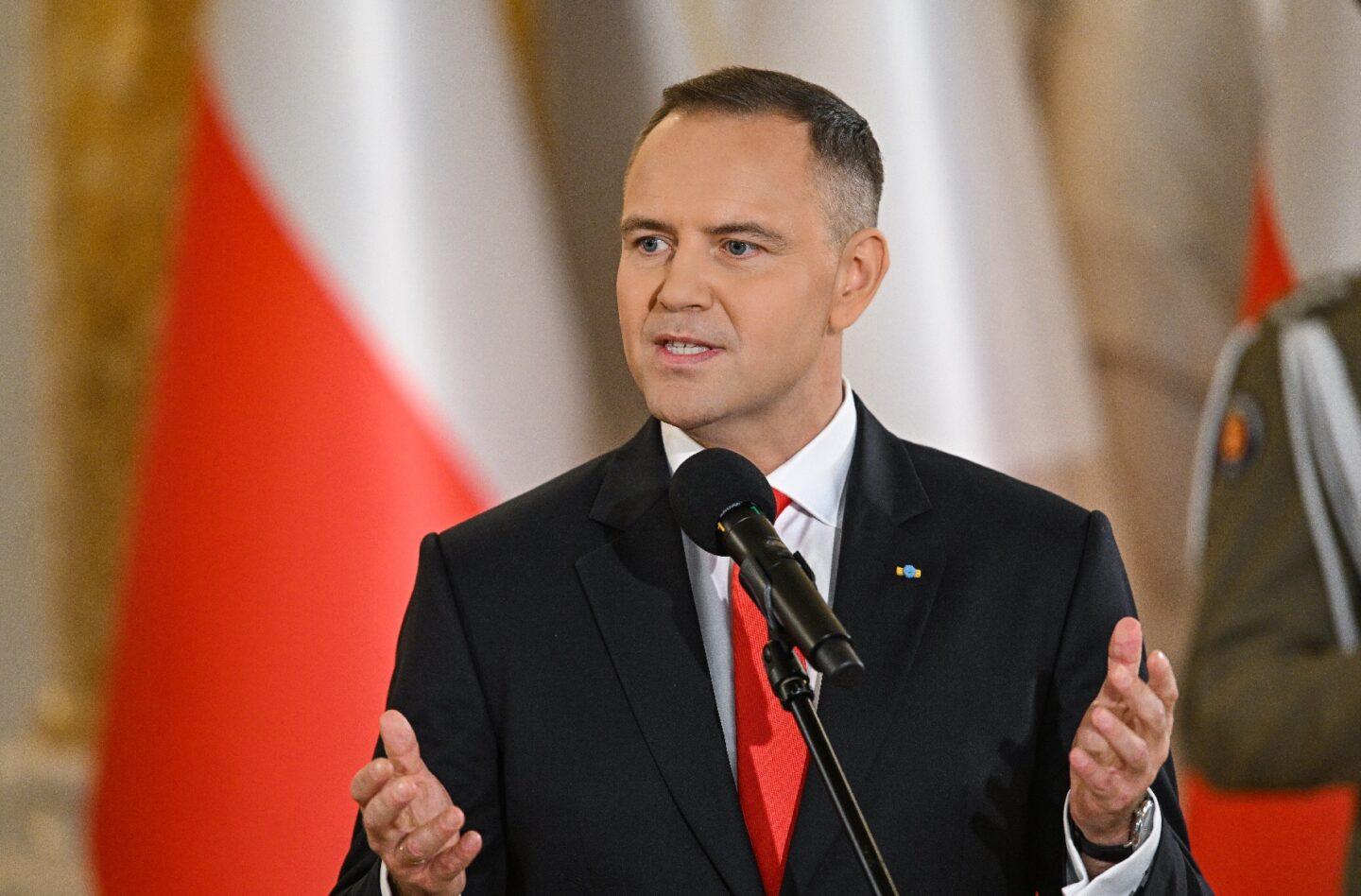
“A New Duopoly Will Topple the System” (Nowy duopol obali ten system) is the title of a report by Prof. Przemysław Sadura and Sławomir Sierakowski, sociologists and publicists affiliated with Krytyka Polityczna. This study focuses on the conclusions drawn from this year’s presidential election, won by Karol Nawrocki. The researchers’ previous report, “The Hidden Crisis of Power” (Ukryty kryzys władzy), was published in October 2024, a year after the parliamentary elections.
Explainer
Krytyka Polityczna
Krytyka Polityczna (Political Critique) is Poland’s prominent left-wing intellectual and cultural platform that has become a major voice in Polish public debate.
The reasons behind Mr. Trzaskowski’s defeat
The report indicated that more than six months before the presidential election, Rafał Trzaskowski was the clear favorite – long before Karol Nawrocki, the eventual winner, became the Law and Justice (PiS) candidate. It also highlighted declining trust in the government and the persistent demobilization of Left and Third Way (coalition partners for Civic Coalition) voters, a trend that continued up to the election. The authors note that the ruling party did not take measures to reverse these tendencies.
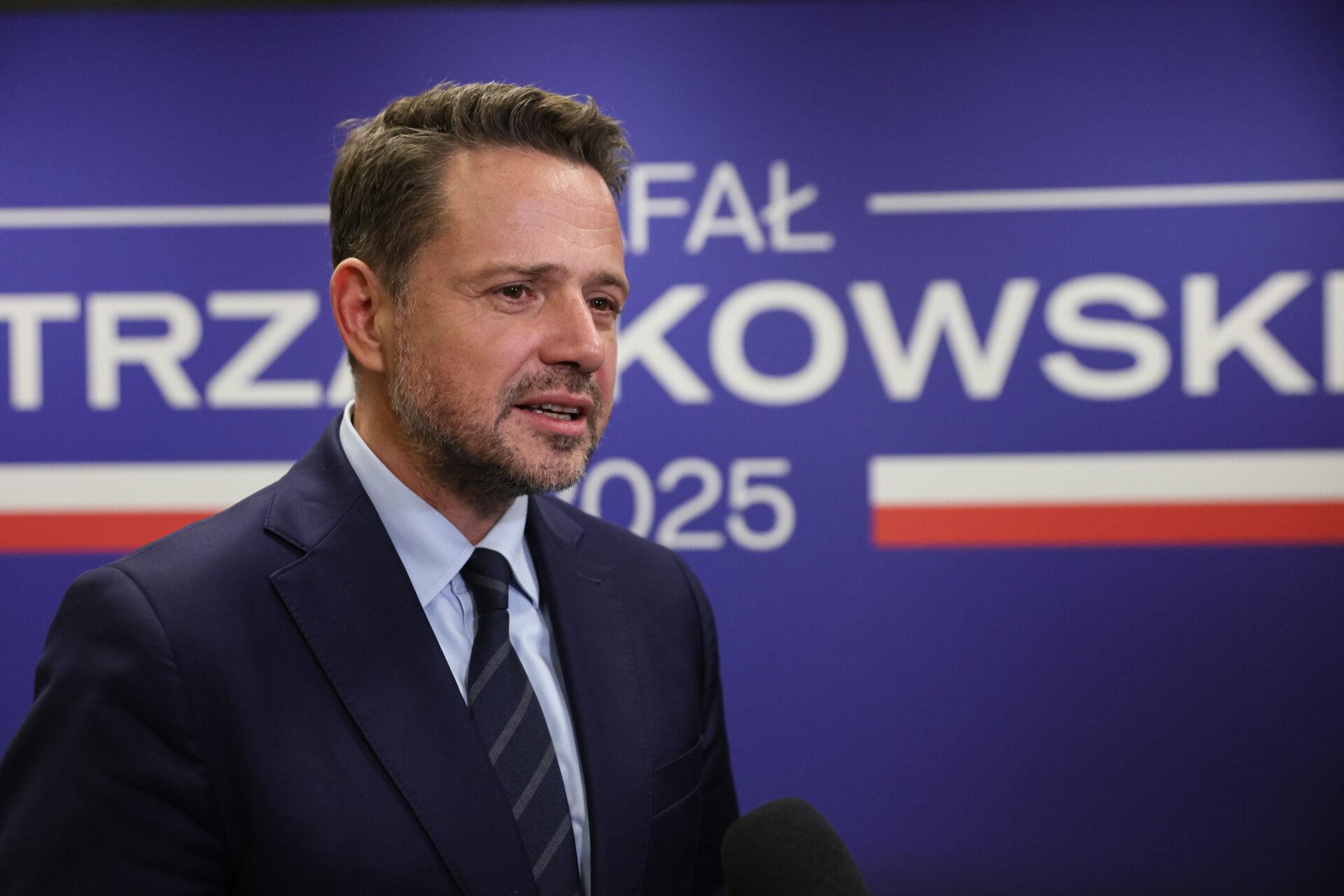
An opportunity to attract Confederation (Konfederacja) voters could have come through economic deregulation. However, as the report points out, the public face of the initiative became Rafał Brzoska (an entrepreneur) rather than Mr. Trzaskowski (a politician), and the project itself was not completed before the election.
Another disadvantage for Mr. Trzaskowski and the ruling side was the absence of programs comparable to the 500+ family benefit (cash paid for every child under 18 years of age, no income criterion), which PiS enacted at the very start of its 2015 term. That program became one of the foundations of PiS’s long-term governance. A similarly spectacular reform aimed at the working-class electorate could have expanded Mr. Trzaskowski’s reach, which was concentrated in urban areas.
Mr. Trzaskowski was also not helped by Karol Nawrocki’s personal controversies. Public reactions to media reports – including the small apartment, a residence in the Museum of the Second World War, alleged criminal connections, and participation in football fan brawls – confirmed PiS’s scandal-proof image.
Fanatical PiS voters did not believe the reports, while the so-called cynical electorate has long stopped expecting ethical behavior from its politicians. Mr. Trzaskowski was further disadvantaged by the conduct of his supporting politicians. Observing an emerging atmosphere of victimization around Mr. Nawrocki, they focused on criticizing him rather than delivering positive messaging. This approach also backfired among younger voters, who reacted oppositely to the overly aggressive cues from politicians.
The flow of Mentzen and Braun voters
Another key factor was the anti-establishment aura that Karol Nawrocki cultivated around himself. Equally significant was the support he received in the second round from voters of Sławomir Mentzen and Grzegorz Braun.
The authors of the report state explicitly that without the consolidation of votes from Mentzen and Bosak’s Confederation, as well as Braun’s Confederation of the Polish Crown, PiS would have been doomed to defeat in this election.
Cities vs. countryside
The report’s authors note that the polarization observed across Poland is not primarily political, but social. Mr. Trzaskowski won in nearly all large and medium-sized cities, while Mr. Nawrocki dominated the countryside. The presidential election highlighted a sense of neglect among rural communities.
“Any liberal government in Poland will sooner or later fall if it fails to find a way to implement a social reform program under the pressure of current problems – one that would build the people’s trust in the elites,” the report argues.
The authors posit that only then will political polarization cease to be extreme and stop encouraging breaches of fair-play norms. Without such measures, society will have grounds for rebellion and harbor hostility toward the elites.
A new, rising right-wing voter base
Karol Nawrocki’s victory, bolstered by the votes of Mr. Mentzen and Mr. Braun supporters, could mark the starting point for a new face of the Polish right. Twenty-eight percent of Mr. Nawrocki’s electorate comes from voters who are, demographically and ideologically, the opposite of PiS’s traditional base.
This group consists mainly of young, well-educated men from large cities. They currently form the most active segment of the right-wing electorate. Their common denominator is disillusionment with the political establishment. Mr. Nawrocki captured their support largely as an alternative to the elite-associated Rafał Trzaskowski. This perception was reinforced by media reports inconvenient for Mr. Nawrocki, which, in the eyes of these voters, portrayed him as a victim of the system.
The researchers identify three factions within the Confederation (Mr. Mentzen’s party) electorate. The largest (45%) are libertarians advocating radical economic transformation. The next group (35%) are nationalists, for whom identity and sovereignty issues are paramount. The final 20% are radical anti-system voters.
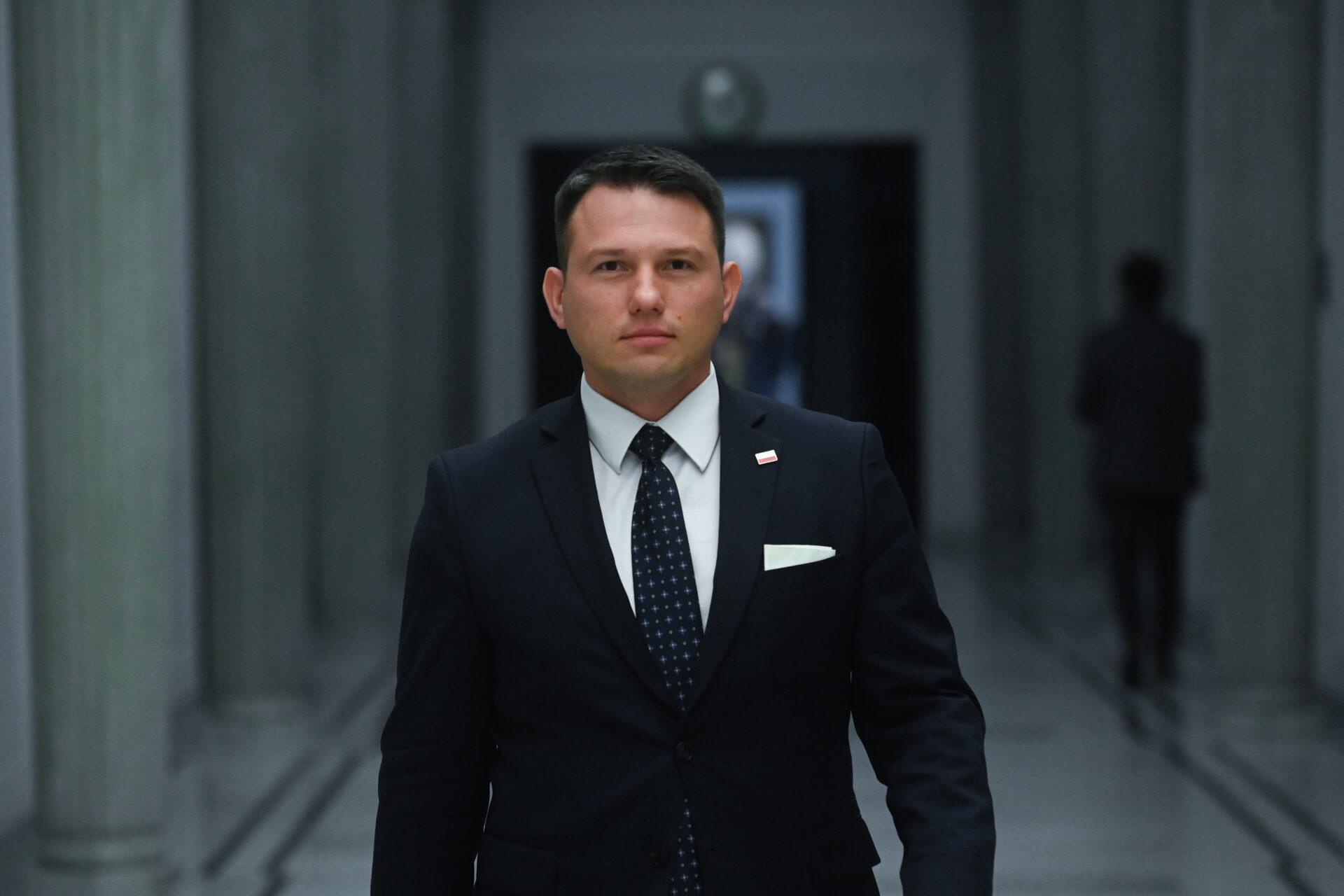
“Karol Nawrocki’s victory heralds the birth of a new right, characterized by radical conservative populism that combines a martyrdom-infused patriotism with anti-elite and potentially anti-EU rhetoric, authoritarian impulses, and a rejection of political liberalism,” the report concludes.
A different right than the current PiS
The new face of right-wing populism differs from what was seen between 2015 and 2023. Today’s right is more radical in challenging the liberal-democratic order. This conviction spans generations and includes older voters with traditional worldviews.
Based on their research, Prof. Przemysław Sadura and Sławomir Sierakowski argue that right-wing consolidation could prove lasting. The strengthening sense of community, fueled by anti-system, authoritarian, and radical sentiments, may signal “the twilight of democracy in its current form.”
A new duopoly: Confederation and Razem
As the report’s authors write, “the new right will become a key actor in Polish politics”, shaping the future, while the center and left may find themselves marginalized for an extended period.
Political radicalization could become a permanent feature of the Polish system. Acceptance of radicalism is evident across electorates and may erode liberal norms, reducing the prospects of a return to moderate politics. On the left, the Razem (Together) party - having more accurately read social moods – could begin to displace the New Left.
Razem, represented in the presidential election by Adrian Zandberg, may form a new duopoly with Confederation. Both parties share a critique of the system and a search for so-called “authentic” politicians. They differ, however, in how they define authenticity and in their approaches to addressing systemic problems. What unites them is their representation of a generational shift in politics.
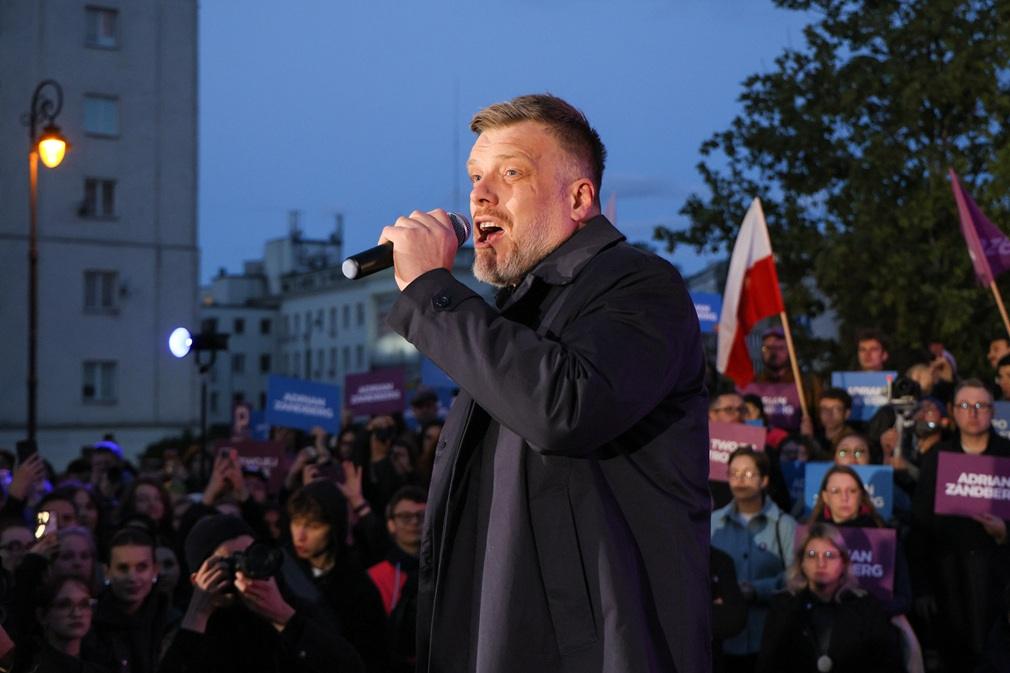
The left in the form of Razem resists calls to form a common front against right-wing populism. Razem refuses to join an “anti-PiS” coalition without guarantees that its agenda will be implemented. Left-leaning voters express critical views on divisions within the left. The dispute between the New Left and Razem is often seen as a family quarrel.
“The traditional PO-PiS (or Mr. Tusk – Mr. Kaczyński – ed.) divide could be replaced by a new axis of conflict between the radical right and the radical left,” the researchers note.


Key Takeaways
- Rafał Trzaskowski was hampered by the government’s lack of initiative and the absence of flagship programs comparable to 500+ (a childcare benefit), as well as by the demobilization of coalition party voters – a trend already visible less than a year ago. Karol Nawrocki appeared to voters outside the PiS base as an anti-system candidate. He was supported almost entirely by first-round voters who had backed Sławomir Mentzen and Grzegorz Braun.
- Karol Nawrocki’s victory provides the impetus for building a new right. On this side of the political spectrum, an increasingly large group of voters with radically right-wing views, challenging the liberal order, is emerging. According to researchers, right-wing consolidation could prove durable.
- Together with the radical right, currently embodied by Confederation (Mr. Mentzen), the new duopoly may include the Razem party (Mr. Zandberg’s party). While Zandberg’s and Mentzen’s parties share a critique of the system, they differ in their methods.