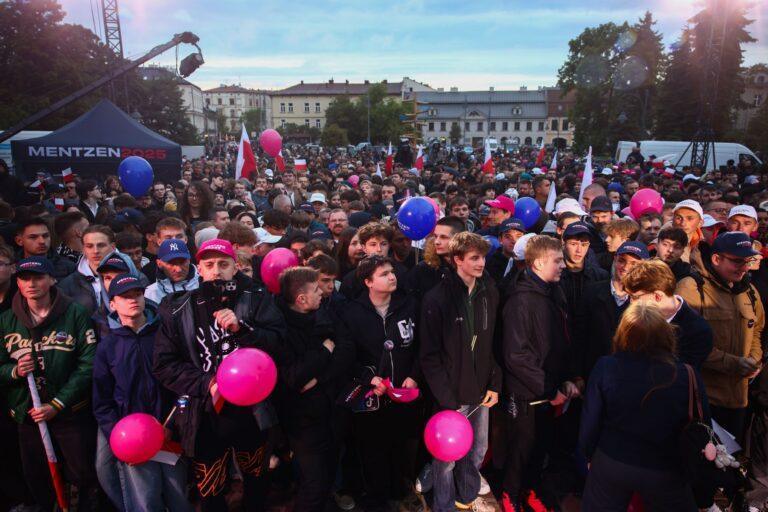
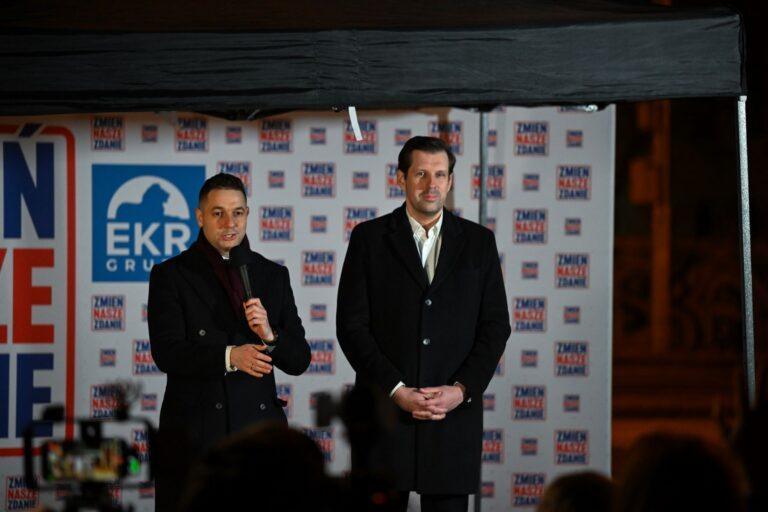
A group of Law and Justice (PiS) politicians, associated with the so-called “butter boys” faction, has hit the road across Poland. They are urging students to reconsider their views on the European Union. We went to Wrocław and Lublin to see who persuaded whom – and what political objectives lie behind this new initiative.
The former prime minister is no longer spoken of as a potential candidate for the premiership on behalf of Law and Justice (PiS). Even so, Mr. Morawiecki is not yielding ground to party rivals from a competing faction.
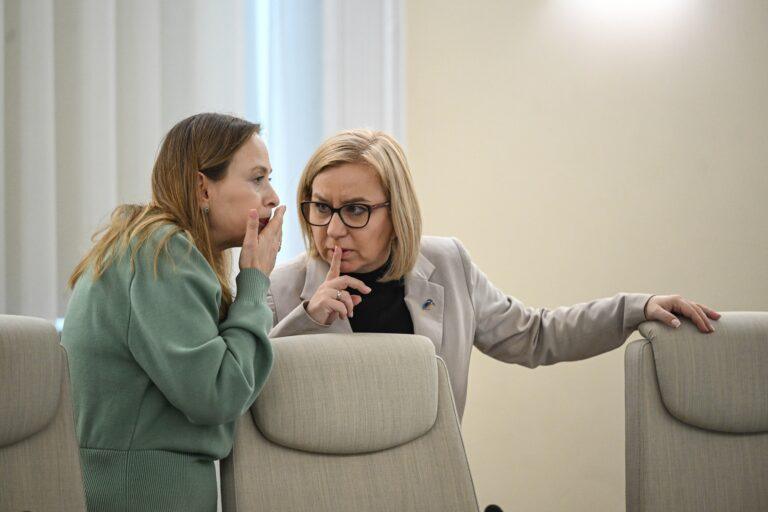
Over half of Poland 2050’s parliamentary caucus has left the party, forming a new group called Centrum under Paulina Hennig-Kloska. The split comes after internal disagreements over leadership and personnel decisions, leaving the remaining Poland 2050 caucus narrowly outnumbered.
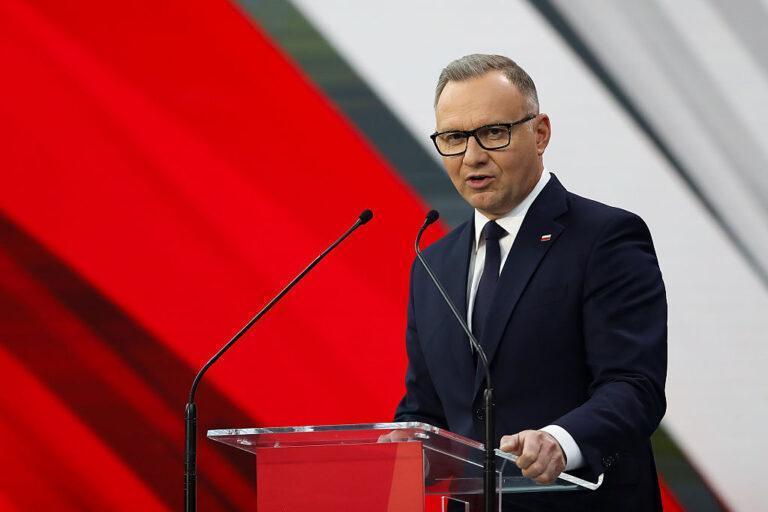
Eleven generals died in aviation accidents under Bogdan Klich’s ministry, yet former president Andrzej Duda has claimed the toll exceeded that of the second world war. Historians’ data paint a very different picture.
President Karol Nawrocki and Prime Minister Donald Tusk faced off over the SAFE program, the Peace Council, and the Speaker of the Sejm. With billions of euros at stake, the government hopes for swift implementation, while the president demands transparency and caution.
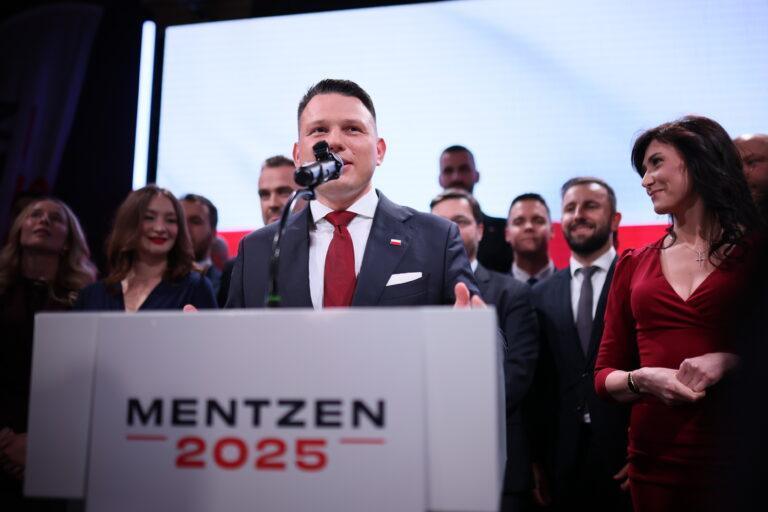
The right-wing Confederation party, led by Sławomir Mentzen, is experimenting with direct voter engagement through Project 27, an online platform soliciting proposals for its 2027 program. The move reflects a strategy to regain momentum on the right and reconnect with an electorate increasingly courted by radical alternatives.
Once a forum for addressing threats from abroad, Poland’s National Security Council has become a theatre for domestic political rivalry. President Karol Nawrocki’s second convening of the body pits him against Sejm Speaker Włodzimierz Czarzasty
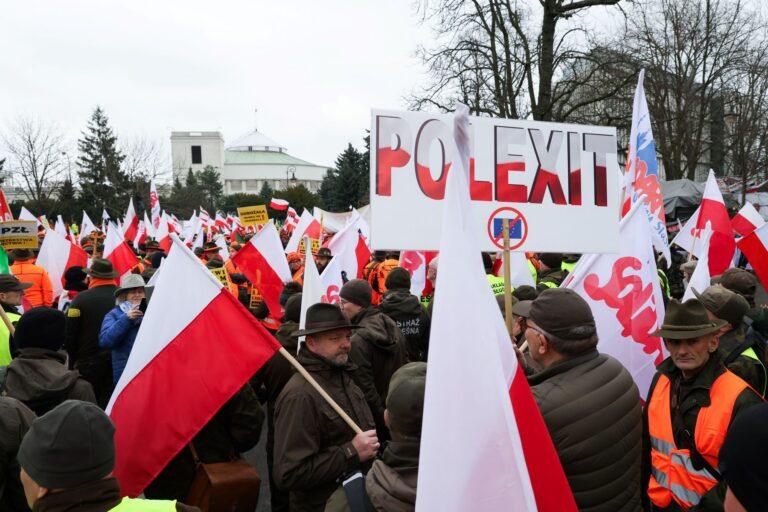
For years, polexit was treated as a rhetorical device rather than a real political option. That assumption is now under strain. Fresh survey data show growing euroscepticism among men, young voters, and key right-wing electorates – reshaping Poland’s political landscape
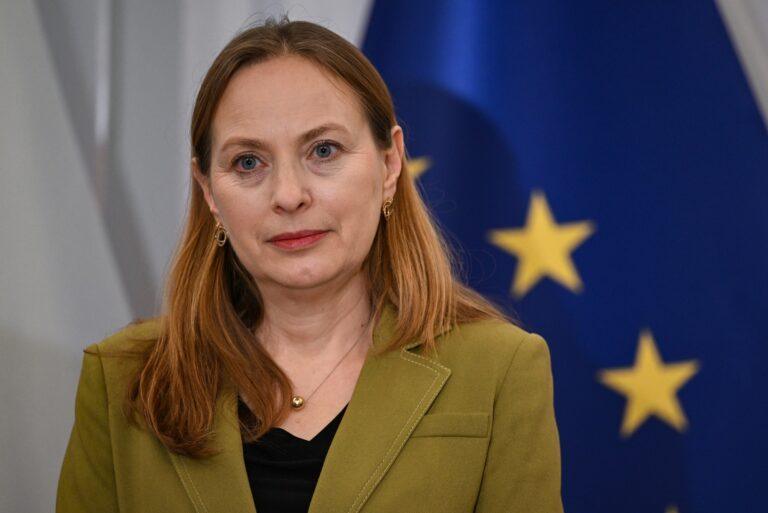
Katarzyna Pełczyńska-Nałęcz has assumed leadership of Poland 2050, promising to empower regional structures and reinforce the party’s centrist identity. With internal divisions still raw and support in the polls minimal, she faces the dual challenge of party unity and political relevance.
Nearly half of Poland’s youngest voters entered the 2025 presidential election undecided. Support for mainstream candidates is minimal, while smaller, ideologically distinct politicians gain traction – reflecting a generation more concerned with practical state effectiveness than conventional political divides.

 Rafał Mrowicki
  Krzysztof Figlarz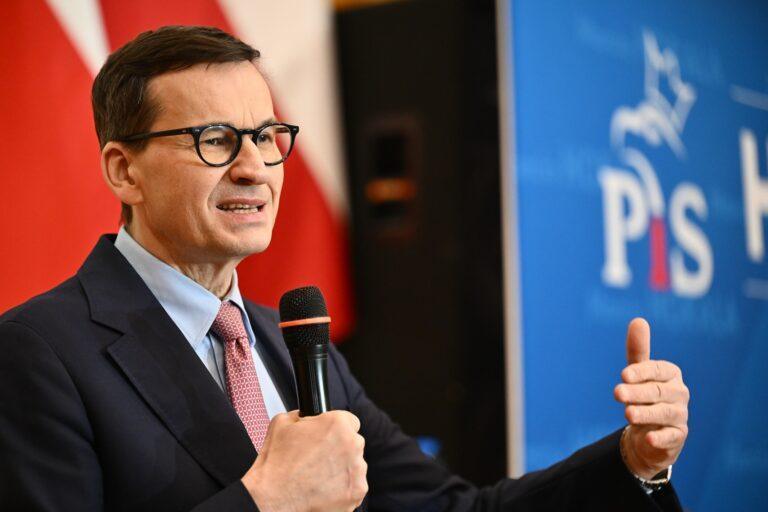
 Łukasz Grzesiczak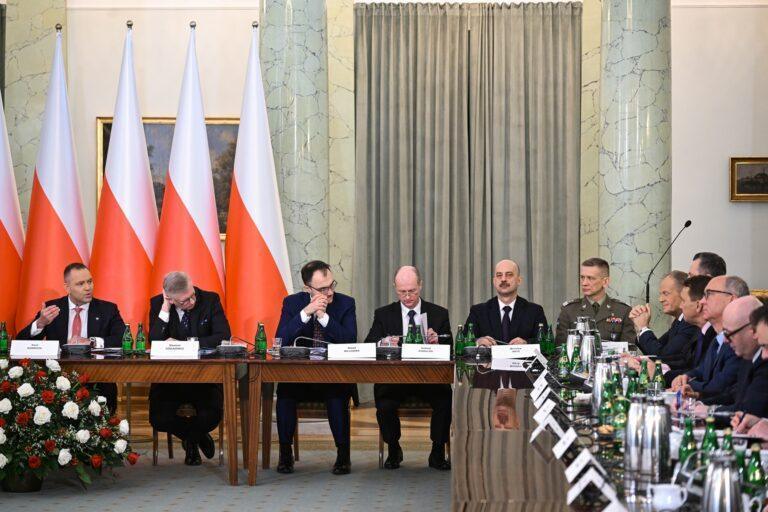
 Łukasz Maziewski