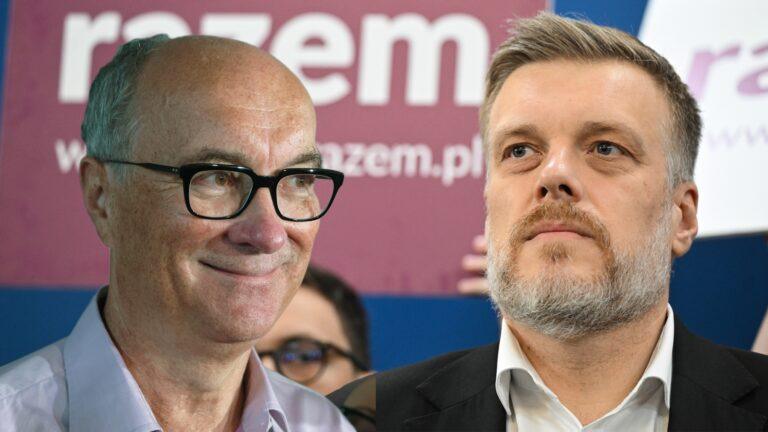
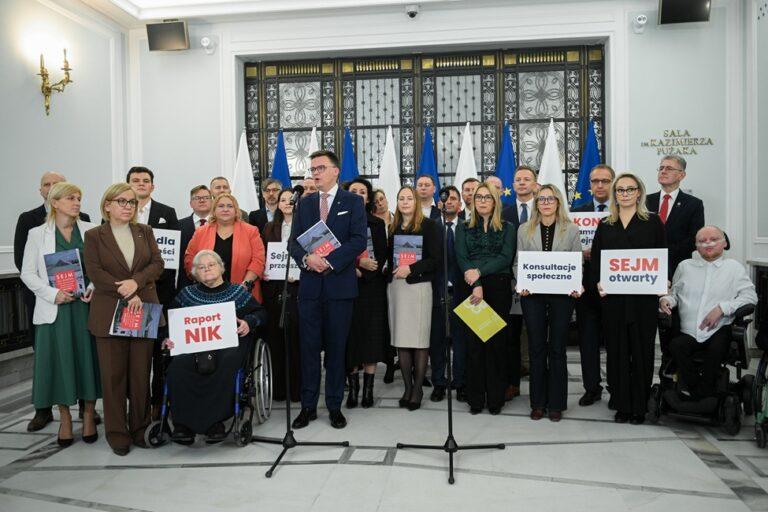
The New Left (Nowa Lewica) is buoyant, with new – though in reality familiar – leaders and ideas for a revolution in health care. The Razem (Together) party, meanwhile, wants a Poland built on silicon, nuclear power, and steel; its politicians are touring the country under the banner “Turbo Poland.” At the same time, both parties are competing for a similar electorate with strikingly similar proposals. They are also fighting to clear the electoral threshold. We examine the plans and objectives of both left-wing formations for 2026.
Karol Nawrocki won presidential elections by attracting anti-establishment voters from Sławomir Mentzen and Grzegorz Braun. He presented an appealing alternative for those who see Rafał Trzaskowski as the embodiment of elitism and liberalism. These insights emerge from research conducted by Prof. Przemysław Sadura and Sławomir Sierakowski.
The Court of Justice of the European Union has ruled that Poland’s Constitutional Tribunal does not meet the requirements of an independent and impartial court. The ECJ found that two of the tribunal’s judgments breach EU law.
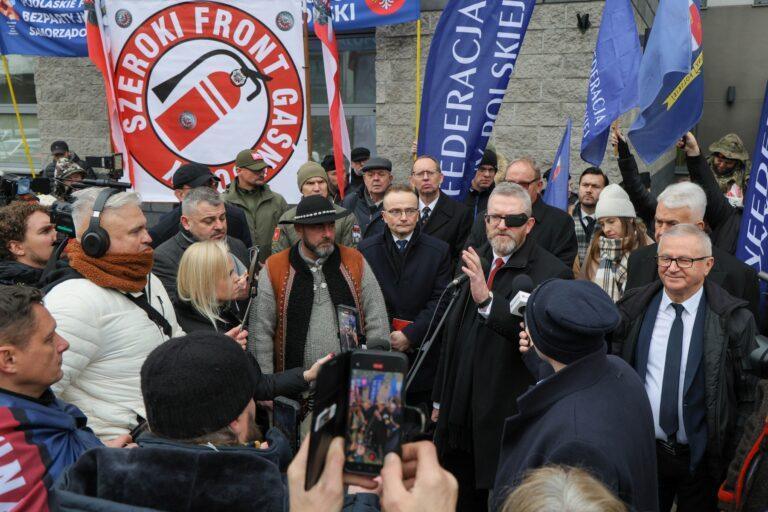
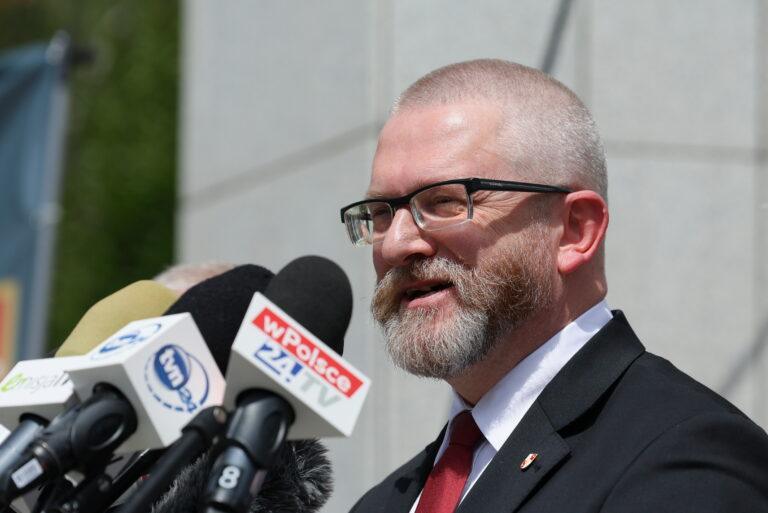
One of the political surprises of 2025 has been Grzegorz Braun’s rise to independence and his sensational fourth-place finish in the presidential elections. Following more than a million votes for Braun, support for the Confederation of the Polish Crown has been growing. The party is beginning to deal the cards on the right. Amid pro-Russian and anti-EU rhetoric, the movement’s activists reveal a diverse – and sometimes internally contradictory – background. Who are the people standing behind Mr. Braun?
Although Poland 2050 finds itself in an increasingly difficult polling position, there is no shortage of politicians eager to succeed Szymon Hołownia. Seven candidates have announced their intention to lead the party. Contrary to the hopes of some party activists, the current chairman has not thrown his hat into the ring. Within the party, voices insist that change is essential to rebuild support ahead of the parliamentary elections. At present, Poland 2050 ranks at the bottom of party polls
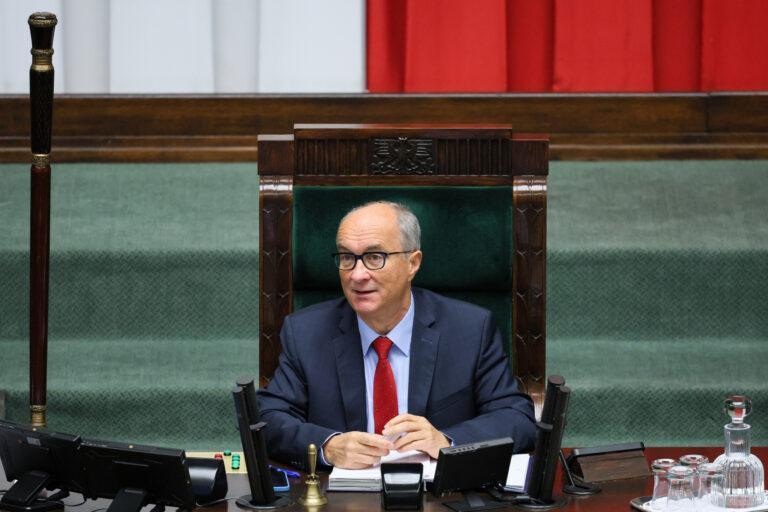
By winning the party elections, Włodzimierz Czarzasty has officially launched the New Left’s campaign ahead of the 2027 parliamentary elections. Over the next two years, as Speaker of the Sejm, he does not intend to yield to President Karol Nawrocki. Even before the party congress, he had persuaded potential rivals to withdraw from the race.
On the second anniversary of Donald Tusk’s government, we analysed how many bills his ministers have prepared. The most active turned out to be the ministries led by Andrzej Domański. This, however, does not mean that all of their proposals have become law.
Politicians from Law and Justice (PiS) are openly considering cooperation with Grzegorz Braun after the 2027 elections. Some say outright that his Confederation of the Polish Crown should help co-create a right-wing pact in the Senate. Mateusz Morawiecki has taken a more cautious approach to Mr. Braun, but his rivals within the party are keen to strike a more radical tone.
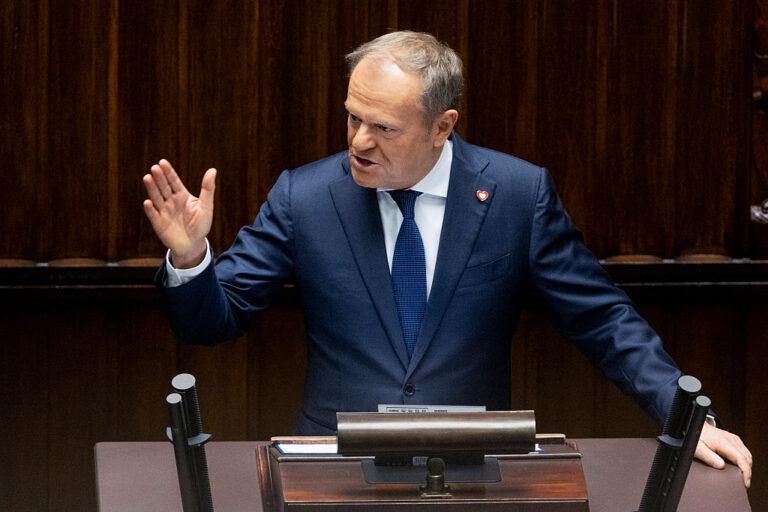
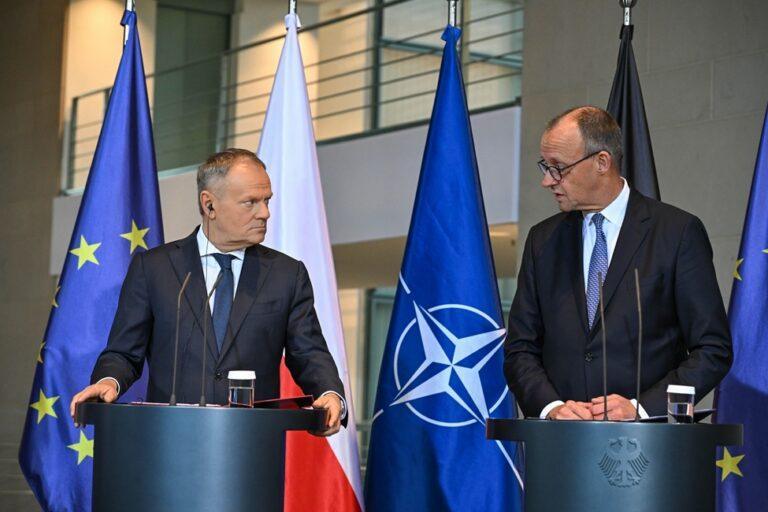
Prime Minister Donald Tusk has resorted to an unusual tactic: putting public pressure on the German chancellor. The move has divided experts. Some see it as a clever nudge in European diplomacy; others suspect it is aimed squarely at the domestic audience. Time, however, is running out: the generation of Poles who lived through the Second World War is rapidly shrinking

 Krzysztof Figlarz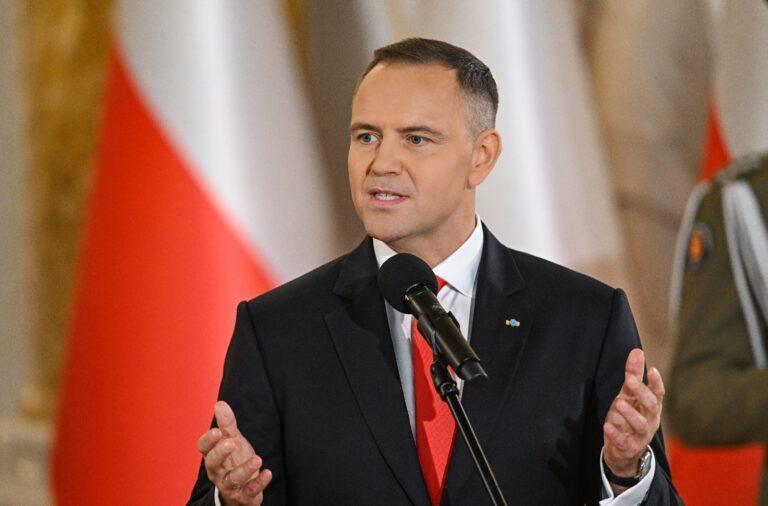
 Rafał Mrowicki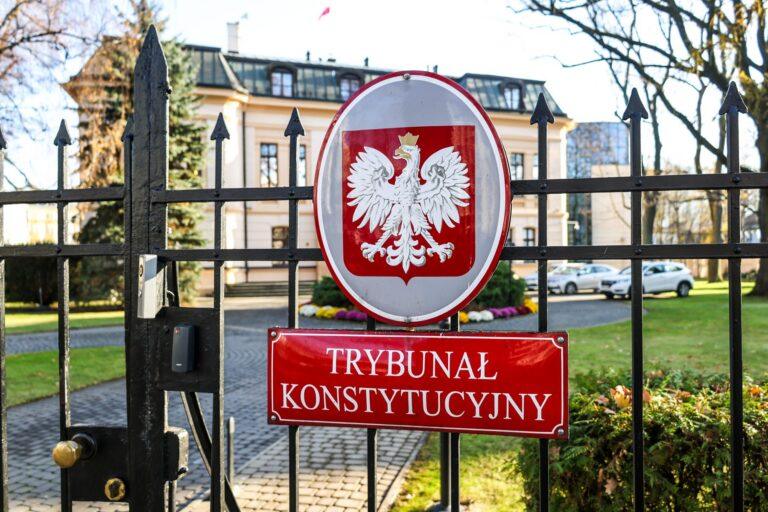
 Katarzyna Witwicka-Jurek