

This article is a part of Poland Unpacked. Weekly intelligence for decision-makers
Russia’s war in Ukraine, Sweden’s accession to NATO and new military procurement have pushed relations between Poland and Sweden to a higher level. The result: the first visit by the Swedish royal couple since 2011, accompanied by a government and business delegation from Stockholm. Where are the opportunities to deepen cooperation?
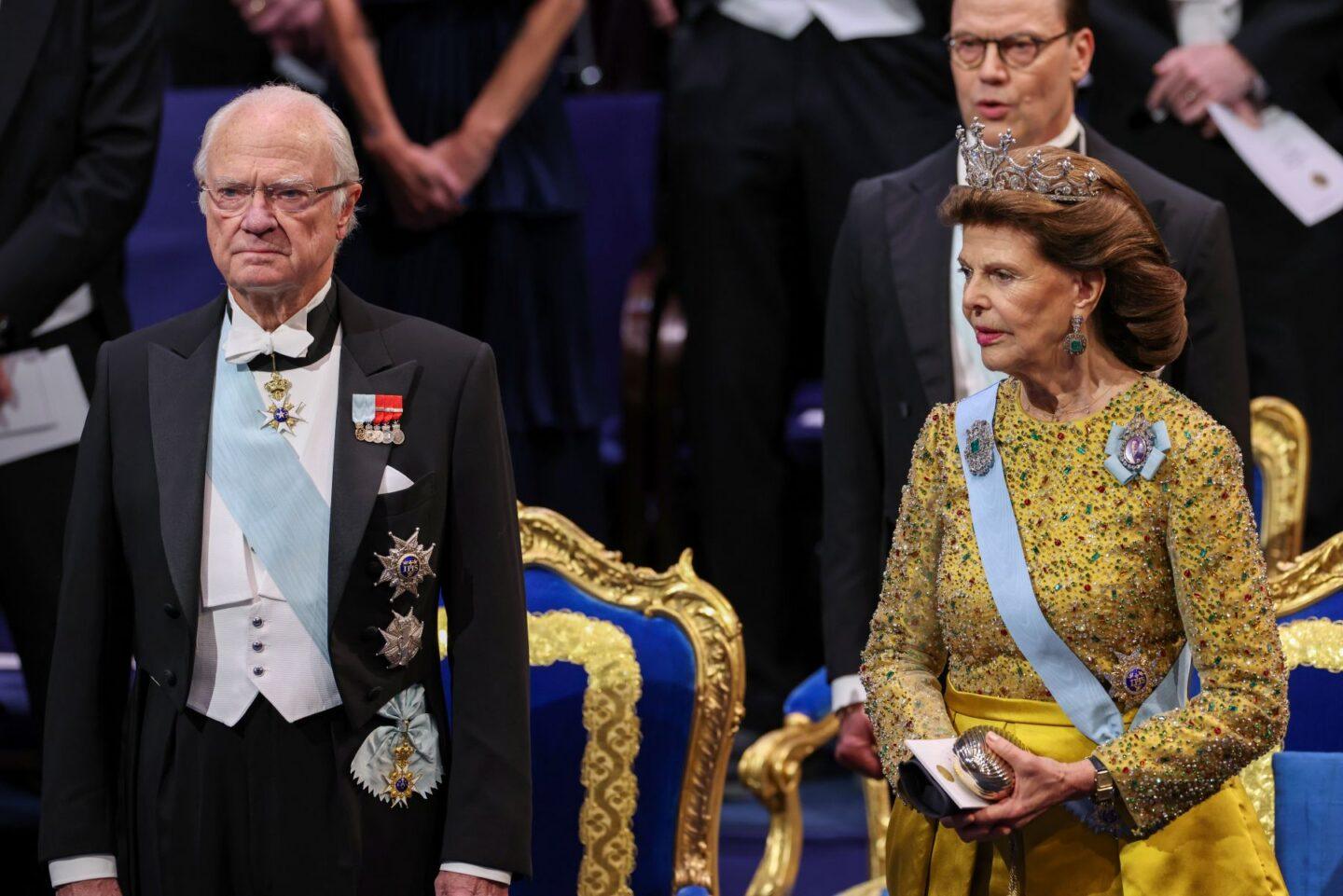
The Swedes have not paid Poland a visit at such a high level for 15 years. From March 10th to 12th, King Carl XVI Gustaf of Sweden and Queen Silvia will visit Warsaw and Gdańsk. The delegation will also include Sweden’s minister for foreign affairs, Maria Malmer Stenergard; minister of defence, Pål Jonson; minister for civil defence, Carl-Oskar Bohlin; minister for culture, Parisa Liljestrand; and state secretary at Sweden’s Ministry for Foreign Affairs, Diana Janse. They will be joined by a business delegation organized by the government agency Business Sweden.
Step by step
The visit reflects steadily tightening ties between the two countries – a process that has not come as a surprise. In November 2024, Poland and Sweden signed a bilateral strategic partnership. A year later, in November 2025, Stockholm hosted a bilateral business summit. On February 17th, 2026, Sweden’s prime minister, Ulf Kristersson, and Poland’s prime minister, Donald Tusk, issued a joint statement on deepening cooperation between the two countries.
In the statement, Poland and Sweden were described as two pillars of security in the Baltic region that must deter Russia. To do so, they need to combine their political, security and defense capabilities to safeguard Europe’s security.
“As part of the bilateral strategic partnership concluded in November 2024, we are now tasking our ministers of foreign affairs and defense with further developing a vision for deeper bilateral cooperation in the areas of security and defense. The relevant document should be concluded before the summer,” the statement reads.
From a military perspective, Sweden has become an important ally for Poland. One consequence of the war in Ukraine was Stockholm’s decision to join NATO, which it did in July 2024. The two countries are linked not only by defense procurement. Together they are helping to shape the security architecture of the entire Baltic Sea region.
Stockholm watches Warsaw’s new policy closely
Swedish officials have taken careful note that Poland maintains an American military presence of about 10,000 troops, spends nearly 5% of GDP on defense and does so without hysteria – simply by steadily implementing its plan. Sweden’s Ministry of Defense often cites Poland as an example when discussing what responsible burden-sharing within NATO should look like.
But that is not the whole story. At the same time, Warsaw has begun pressing Brussels to ensure that Europe finally takes defense matters into its own hands. For Stockholm – long skeptical about European military structures – this marks an intriguing shift.
The March incident and its echo over the Baltic
When Russian drones violated Polish airspace in March and Warsaw triggered consultations under Article 4 of the North Atlantic Treaty, analysts in Stockholm closely examined how the alliance reacted. Swedish experts concluded that Poland passed the crisis-management test: it avoided escalation but also refused to accept vague assurances.
For Sweden, this is an important lesson. The country faces similar incidents in the Baltic, though more often in maritime and airspace contexts. From Stockholm’s perspective, Poland’s experience confirms that NATO works – but largely when a member state clearly articulates its concerns and insists on allied solidarity.
The SAFE program to rearm Europe is also a top priority for Stockholm. Sweden’s defense industry sees Poland as a vast market. At the same time, it worries that EU funding could end up concentrated among the largest member states, led by Germany. Here the Swedes are counting on Poland’s pragmatism.
Poland as a regional leader
What attracts the greatest interest in Stockholm, however, is how Poland is building its position in the region. Military cooperation with Latvia, regular consultations with Romania and engagement in Moldova all point to the same trend: Poland is not only rearming itself but is increasingly helping to organize security among its neighbors.
For Stockholm – which traditionally viewed Poland through the lens of historical rivalry in the Baltic – this represents a new reality. Today policymakers there increasingly see Poland as a natural partner in discussions about safeguarding Baltic shipping routes, responding to Russia’s hybrid attacks and preventing the region from turning into a second Syria.
Swedish officials are well aware that their own security depends to a large extent on what happens in the southern Baltic and along NATO’s eastern flank. And in that arena Poland is a player that must be reckoned with. The days of treating Warsaw patronizingly, as a supplicant, are over. In Stockholm, Poland is now spoken of as an equal partner.
Trans-Baltic cooperation focuses on… the sea
Sweden enjoys a solid reputation in Poland. Its defense deals may not be as large or as costly as the Korean tanks or the aircraft and helicopters purchased from the United States. Yet they are still significant. Cooperation between the two countries is tightening – and all signs suggest it will continue to deepen.
The most important Polish-Swedish defense procurements relate to the navy. Last November Poland’s defense minister, Władysław Kosiniak-Kamysz, announced that Sweden would become Poland’s partner in the Orka program to acquire new submarines.
The program could be worth as much as PLN 20bn (about EUR 4.6bn). For that amount Poland plans to purchase three A26 Blekinge-class submarine vessels. Training of Polish sailors by Swedish instructors is expected to begin this year. In 2027 Poland is also set to receive a leased Södermanland-class submarine A17, which will serve as an interim solution until the new submarines are delivered.
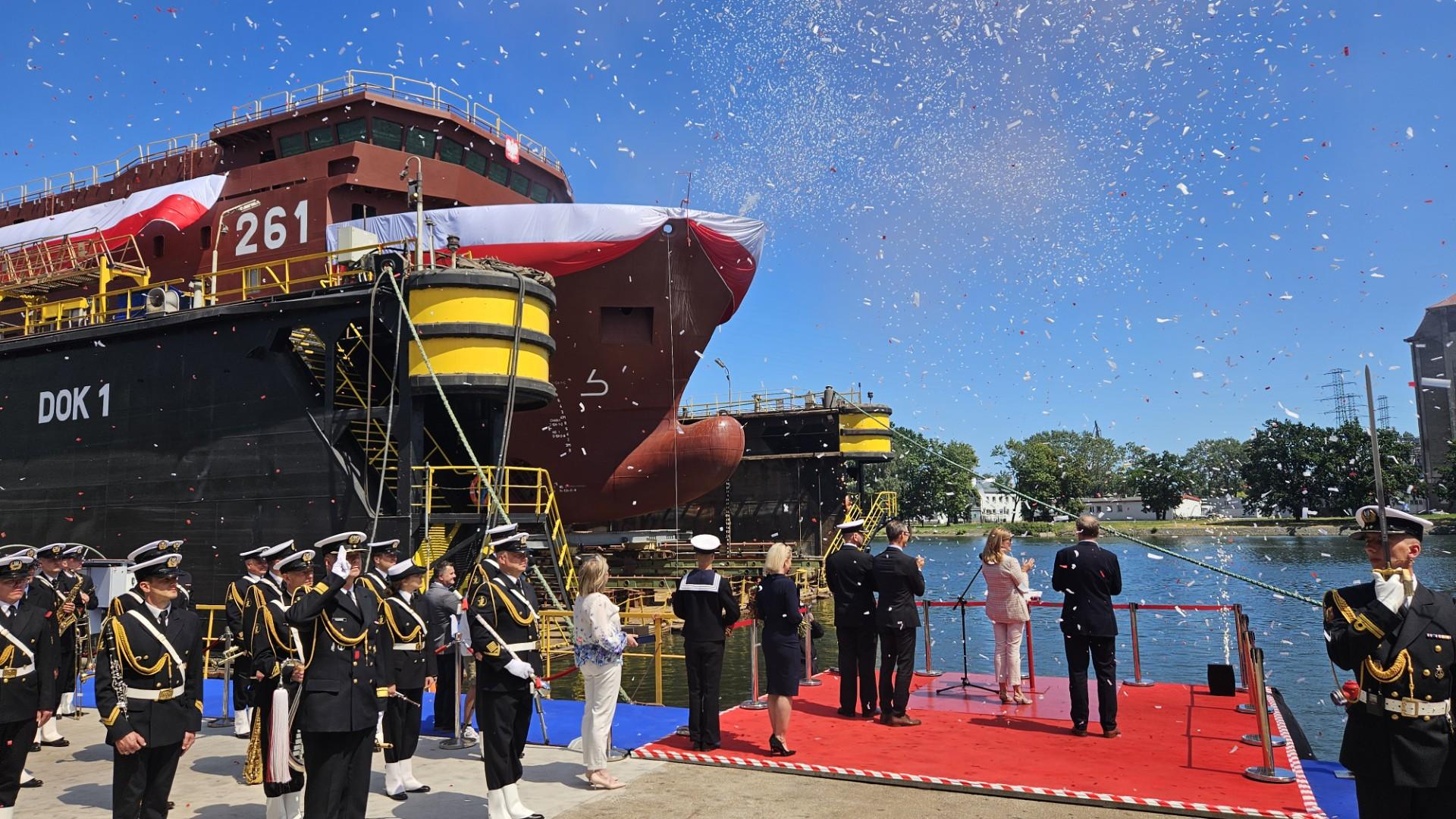
Another “maritime” element involves electronic intelligence vessels under the Delfin project. The ships, being built at Remontowa Shipbuilding in Gdańsk, are developed in cooperation with the Swedish defense group Saab – as are the submarines. Sweden will supply their advanced electronic equipment. These vessels will gather highly valuable intelligence from the Baltic Sea region.
Is Sweden waiting for the Ratownik?
The maritime line-up will eventually be completed by the future Ratownik vessel. This rescue ship will not only serve in submarine rescue operations. It will also be used to protect critical maritime infrastructure. In the event – knock on wood – of further damage to subsea infrastructure such as the SwePol Link submarine power cable, the high-voltage cable connecting the two countries, its role could prove crucial.
As Poland’s defense minister, Władysław Kosiniak-Kamysz, said in November, Sweden has expressed interest in purchasing such a vessel. It would replace its heavily worn rescue ship, HSwMS Belos submarine rescue vessel. Few details have been disclosed so far, but the royal visit may bring more concrete developments.
Nor should one forget that Poland’s Kormoran II-class minehunter vessels are equipped with Swedish unmanned underwater vehicles, the Double Eagle underwater drone. Meanwhile, Poland’s modernized small missile ships are fitted with Swedish anti-ship missiles, the RBS-15 anti-ship missile.
Aircraft, grenade launchers – and much more
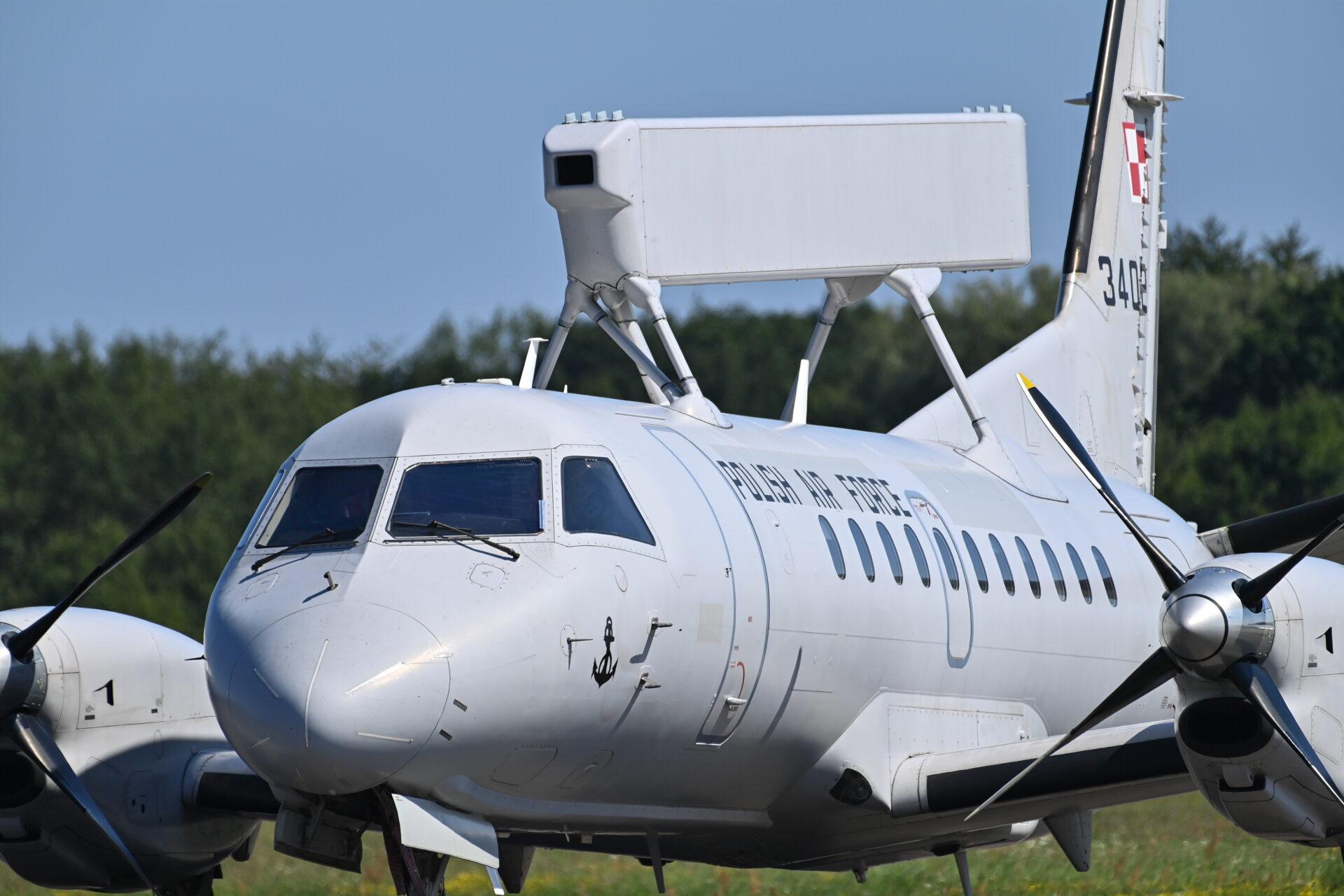
Yet Polish-Swedish military cooperation extends far beyond the sea. Poland has purchased two Saab 340 AEW&C airborne early-warning aircraft from Saab, which are to help guard Polish airspace. This too is an interim solution. The Polish armed forces are still waiting for more advanced systems, but for now they are making do with what they have.
Two years ago the Polish armed forces purchased a sizeable batch of Carl Gustaf recoilless rifle anti-tank grenade launchers from Saab for its special forces units. The contract was substantial, worth PLN 6.5bn (about EUR 1.5bn).
But the cooperation does not run in only one direction. Sweden has decided to purchase Poland’s Piorun man-portable air-defense system air-defence systems, known in part for the effective role they played in Ukraine, where they shot down Russian aircraft and helicopters.
A strategic cooperation agreement with Saab has also been signed by Polska Grupa Zbrojeniowa, Poland’s state-owned defence group. The partnership is to cover maritime technologies, missile and mortar systems, as well as cooperation in the ammunition domain. A memorandum to this effect was signed during last year’s International Defence Industry Exhibition MSPO in Kielce.
Finally, it is worth noting the joint Polish-Swedish military exercises. Last year saw the bilateral manoeuvres Gotland Sentry military exercise, in which Polish paratroopers took part. The armed forces of both countries also regularly train together during exercises conducted under the umbrella of NATO.
Bilateral trade
According to data from Statistics Poland (GUS), Sweden was Poland’s eighth-largest trading partner within the European Union in 2024. It accounted for 3.2% of both Polish exports and imports within the bloc. As with most EU countries (23 of the 27 member states), Poland recorded a trade surplus with Sweden.
 Interactive chart
 In 2024 Poland’s exports to Sweden reached USD 8.5bn, while imports amounted to USD 7.1bn. That translates into a surplus of USD 1.4bn. The pattern has been consistent throughout the period under review. The surplus narrowed only temporarily in 2023, when it fell to USD 0.7bn.
Interactive chart The main categories of goods exported to Sweden are shown in the table below. The top four positions are occupied by transport-related products (motor vehicles and buses) and electronic equipment (phones and video displays). Together they accounted for 18% of exports, while the top ten products made up 30%.
Interactive chart Imports from Sweden are far more diversified by category. The top ten include mineral products (oil and natural gas), transport equipment (cars, tractors and other motor vehicles) as well as fish (both fresh and filleted). At the same time, trade on the import side is more concentrated – the ten largest product groups by value accounted for 40% of the total.
Trade: A success story in food
Although Sweden was not among Poland’s ten most important global trading partners last year, Poland has been scoring notable successes in food exports to the Swedish market. In 2025 such exports reached EUR 952m (about PLN 4.1bn), a year-on-year increase of 17%. That was EUR 114m more than Poland’s food exports to the United States. In February, Warsaw hosted the “Food Business Days”, bringing together representatives of governments and companies from both countries.
According to Polish Investment and Trade Agency, other sectors with strong potential include vehicles, aircraft, ships and other means of transport. Despite a decline in 2024, these still remain the largest category of Polish exports to Sweden. Next come machinery and mechanical and electrical equipment and their components, which recorded strong growth (+16.4%) in 2024.
Other promising segments include instruments and apparatus, textiles and textile products – whose exports rose sharply (+28.5%) in 2024 – as well as chemical products, which posted particularly strong growth (+61%) that year. In addition, cybersecurity and green technologies are emerging as priority areas for cooperation, offering significant opportunities for Polish suppliers.
IKEA and AstraZeneca…
Economic cooperation between Poland and Sweden stretches back decades. On January 27th 1961, Ingvar Kamprad, the founder of IKEA, placed his first order for furniture produced in Poland – specifically at the Bent Furniture Factory in Radomsko. The order covered 500 chairs made of beech wood. Poland became the first country outside Sweden to manufacture for IKEA and today accounts for around 20% of the company’s production.
The first IKEA store in Poland opened in 1990 in Warsaw’s Ursynów district. Today the Ingka Group operates 12 IKEA stores in Poland, four shopping centers, a distribution center supplying stores across Central and Eastern Europe, seven wind farms and a solar park. In 2025 sales by IKEA Retail Polska reached PLN 6.2bn (about EUR 1.4bn).
Since 1991 Poland has also hosted the pharmaceutical group AstraZeneca. The company was created in 1999 through the merger of Sweden’s Astra, headquartered near Stockholm, and the British firm Zeneca, based in London. In Poland it first established a clinical research division. In 2011 the company opened a research-and-development center in Warsaw, and since 2018 its local office has held global status. Poland also hosts the company’s global finance center, global HR center and global procurement center. AstraZeneca employs more than 2,000 people in Poland.
Interactive chart …and 700 other Swedish companies
According to data from the Embassy of Sweden in Warsaw and the Scandinavian-Polish Chamber of Commerce, some 700 companies with Swedish capital operate in Poland. Together they employ around 109,000 people. Swedish firms have invested EUR 5.5bn (about PLN 24bn) in Poland. Remarkably, they reinvest 93% of the profits generated in the country – a striking figure compared with the 58% average for all foreign investors.
Meanwhile, the cumulative value of Polish foreign direct investment in Sweden between 2019 and 2024 reached EUR 1.9bn (about PLN 8.2bn), though in 2024 the figure declined by roughly EUR 100m.
In 2023, 46 active Polish companies were officially registered in Sweden, employing 712 people. In 2022 there were 47 such firms, employing 717 workers.
Expert's perspective
Swedish companies reinvest the most
The 2024 signing of the Polish-Swedish Strategic Partnership, last November’s bilateral business summit in Stockholm, and the upcoming visit of King Carl XVI Gustaf of Sweden are significant signals confirming the shared interests of our countries.
These declarations translate into concrete actions in sectors such as defense, security, advanced technologies, innovation, and energy – areas that will be crucial for the next phase of economic cooperation between Poland and Sweden. Poland’s decision to implement the Orka program with the Swedish company Saab is a prime example.
Another key element in the security domain is the protection of critical infrastructure, which is in the interest of both countries and the entire Baltic region. Here, Ericsson, a 5G network provider, plays a central role. This is not merely the next generation of mobile communication; it forms the foundation of modern digital infrastructure. A 5G network underpins the functioning of many critical sectors, including power grids, public safety, defense, and transport.
Sweden is one of only five countries worldwide with the highest levels of R&D expenditure. Naturally, this pro-innovation mindset accompanies Swedish companies to Poland, helping to raise the skills and knowledge of Polish employees. It was in Poland that AstraZeneca established its Clinical Research Operations Centre – one of only six such facilities globally and the only one in this part of Europe. Among the largest Swedish investors are companies from the Inter IKEA Group and Ingka Group. While Ingka manages the IKEA store network, in Poland it also operates as a producer and renewable energy generator.
Swedish investors are reliable partners who approach the Polish market with a long-term perspective, reinvesting a record 93% of their profits locally. Combined with the pace of change, this approach suggests that in a few years these ties will be even stronger.


Northvolt – Swedish investment failure and a lifeline
Not all Swedish investments in Poland have been successful. A notable example is Northvolt. The company was intended to be Europe’s answer to Asia’s dominance in electric-vehicle batteries. Founded in 2019, Northvolt recruited experienced industry managers, received billions of euros in support from European investors and the European Union, and in 2021 produced its first European lithium-ion cells. It then launched the construction of additional factories in Sweden, Canada, Gdańsk in Poland, and Germany.
By 2024, however, clients began cancelling contracts and abandoning large orders. Northvolt was unable to fulfil them. In the autumn of 2024, the company declared bankruptcy.
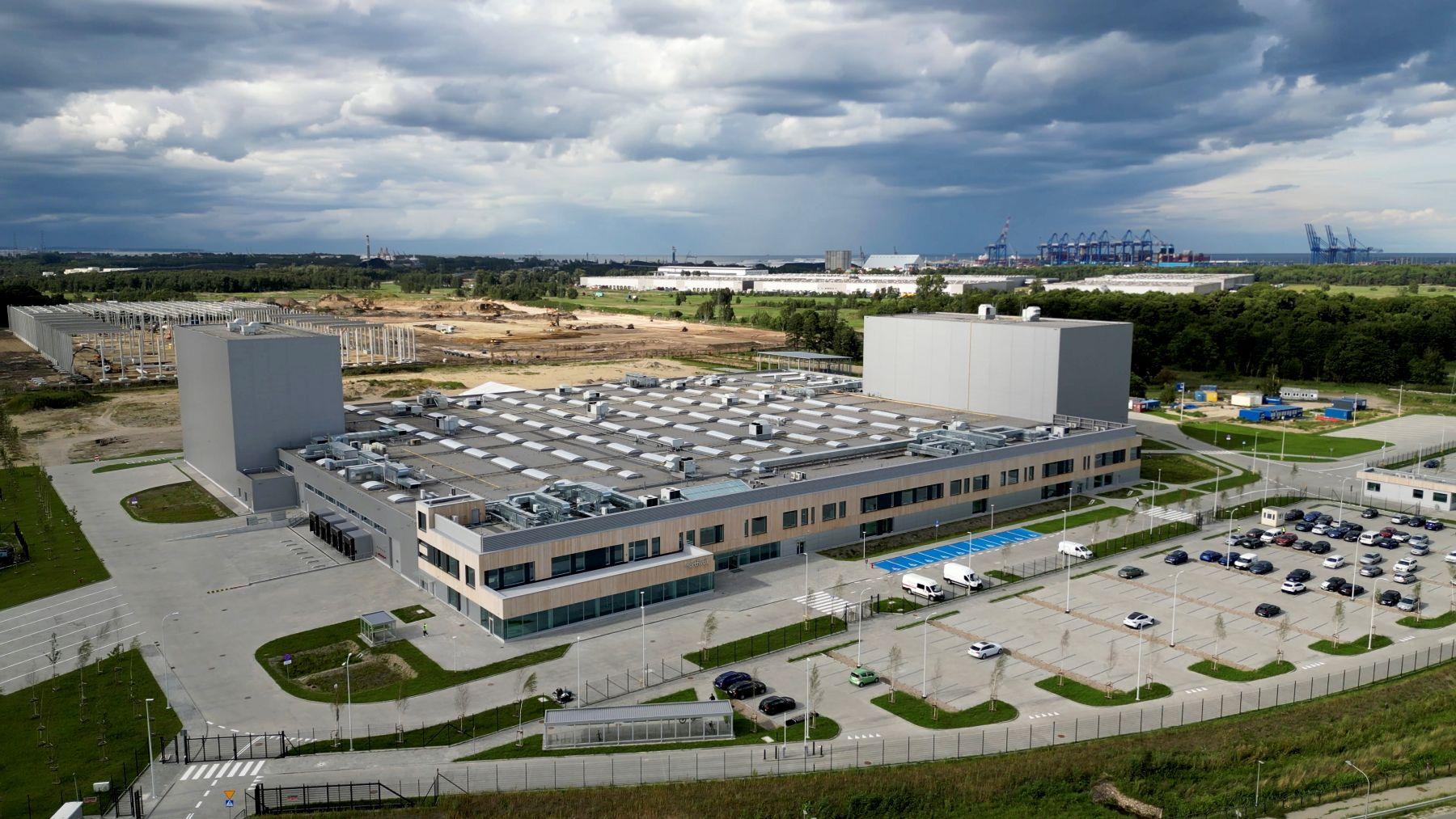
From the failing Northvolt, Scania acquired the industrial battery systems production in April 2025, taking over the Gdańsk factory, which employed 145 people. The company announced plans to double production.
In July 2025, the Northvolt facility in Gdańsk producing energy storage systems was taken over by the American company Lyten. The factory had cost USD 200m and employed 200 people at the time of Northvolt’s bankruptcy.
It is worth adding, however, that another company from the Northvolt group, Aira, manufactures heat pumps in Wrocław. The factory was acquired from Volvo, which had ceased bus production.
Expert's perspective
Defense, energy, trade, innovation – and Ukraine


Key Takeaways
- Bilateral Trade. According to Statistics Poland, Sweden was Poland’s eighth-largest trading partner within the EU in 2024. Poland has recorded a trade surplus with Sweden for many years. Exports are dominated by transport-related products (motor vehicles and buses) and electronic devices (phones and video displays). Imports from Sweden are more diverse, including mineral products (oil and natural gas), transport equipment (cars, tractors, and other motor vehicles), and fish (fresh and filleted).
- Polish-Swedish relations tighten through defense cooperation. Polish-Swedish ties have strengthened significantly through military contacts and contracts. Poland has purchased reconnaissance aircraft from Sweden and plans to acquire submarines. Together with its Scandinavian ally, Poland is also redesigning the Baltic security architecture, including measures to protect critical infrastructure.
- Swedish Investment in Poland. Some 700 companies with Swedish capital operate in Poland, employing 109,000 people. Swedish firms have invested €5.5bn (about PLN 24bn) in Poland and reinvest a remarkable 93% of the profits generated locally. Meanwhile, cumulative Polish FDI in Sweden between 2019 and 2024 reached €1.9bn, with a decline of around €100m in 2024. In 2023, 46 active Polish companies were officially registered in Sweden. Among the largest Swedish investors in Poland are IKEA and AstraZeneca. Poland also hosted Northvolt factories, one of which in Gdańsk was acquired by Scania following Northvolt’s bankruptcy.