

This article is a part of Poland Unpacked. Weekly intelligence for decision-makers
Katarzyna Mokrzycka, XYZ: How much of the “longevity” movement is real opportunity, and how much is PR? Isn’t it simply a new business where it is easier to sell customers the promise of eternal youth than a genuine social transformation?
Aneta Sieradzka, president of the AI One Health Foundation: It is neither a fad nor just another trend. The essence of longevity lies elsewhere. It is a response to real demographic challenges: an aging population, the growing prevalence of chronic diseases, and the need to extend the number of years people live in good health. That is why we need a national longevity strategy built on prevention, modern medicine, data, artificial intelligence, and cross-sector collaboration. This is both a social and an economic imperative—one that the state should be preparing for today.
Good to know
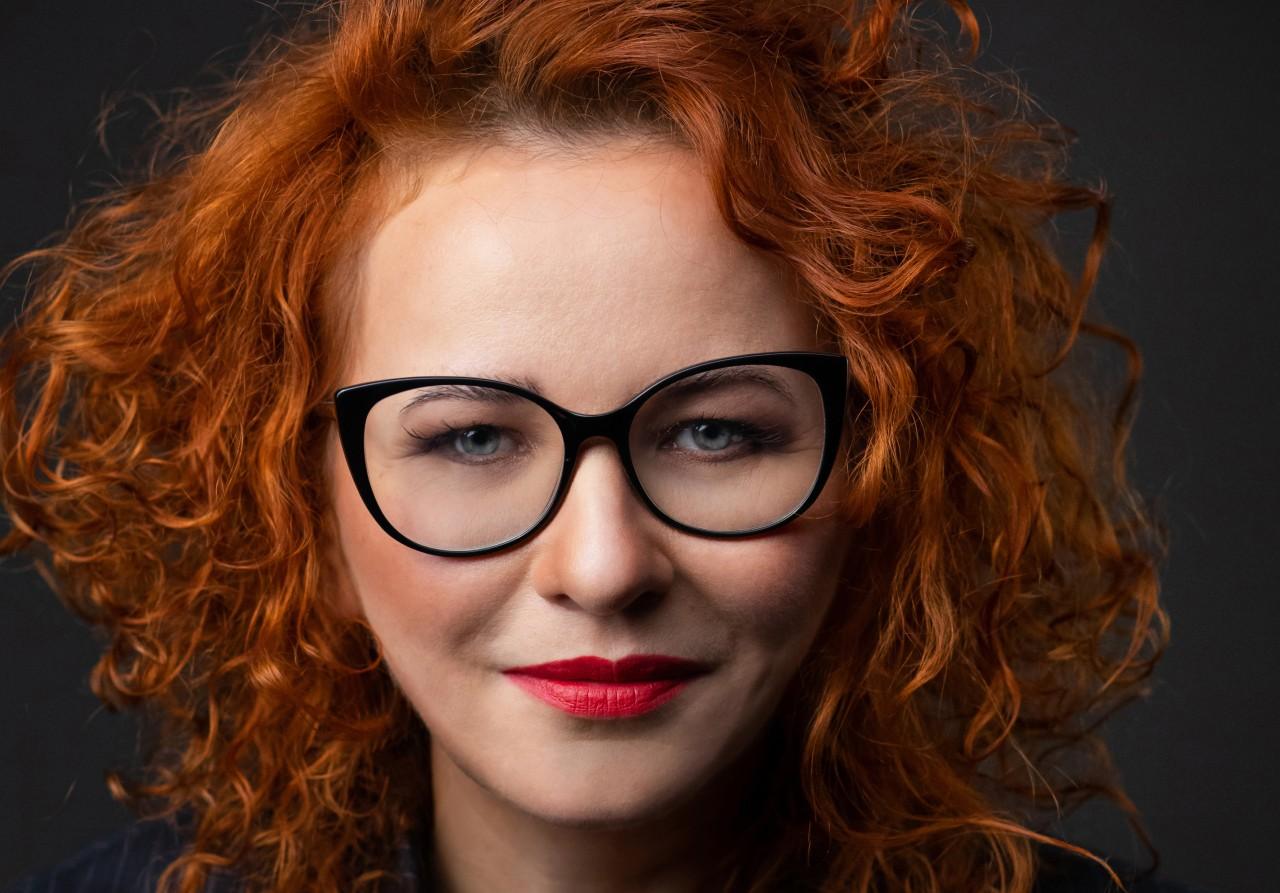
Aneta Sieradzka
President of the AI One Health Foundation; member of the program council of the Warsaw Longevity Forum, the Polish Society of Longevity Medicine, the Social Expert Panel advising the President of the Personal Data Protection Office, and the Working Group on the Development of Big Data Applications and Related Issues advising the President of Statistics Poland (GUS). She specializes in advising on new technology law, data protection—including medical data—and artificial intelligence. She teaches AI law in medicine at the Medical University of Silesia and the John Paul II Catholic University of Lublin (KUL). She also advises businesses.
New responsibilities for the state
Of course, staying forever young would be wonderful. But isn’t that ultimately a matter of personal choice? Why should the state and public institutions become involved?
Longevity is a new economic sector, not a social cost. Within a few years, more than 30% of Poland’s population will be over the age of 60. This is often presented as a threat to public finances. From an economic perspective, however, it represents one of the biggest growth markets of the 21st century.
Its impact spans virtually every industry—healthcare, biotechnology, artificial intelligence, robotics, insurance, financial services, care services, and real estate. In fact, every sector of the economy should now view an aging population not as a problem but as an opportunity for growth, while recognizing that demographic change will affect every part of the economy.
That is why we should develop a national strategy that reflects the needs of a society that will look very different from the model that shaped previous decades. This means redesigning the country’s infrastructure. Take housing, for example. What will we do about older people living on the fourth floor of buildings without elevators? How will we ensure they have access to medical care? How will we adapt public infrastructure, including transportation and access to essential services?
Healthcare, banking, insurance, real estate, e-commerce, retail, and many other sectors will have to redesign their services to reflect demographic change. The market is gradually beginning to respond to these needs, but many of the challenges cannot be addressed without the involvement of the public sector.
Poland’s future is its older population
That is why we need a national strategy—but not one that exists only on paper and that no one is committed to implementing. We need a plan built on collaboration across sectors. We need a mature and responsible dialogue about demographic change.
We already have government plenipotentiaries, task forces, and even a deputy minister responsible for senior policy. From your perspective, is the state delivering the actions that are needed?
In Poland, we have a tendency to create ever more committees, councils, and advisory bodies. What is much less impressive is the assessment of their results. The state has a serious problem with execution and accountability. It is good at establishing new administrative structures, but far less effective at delivering on its objectives.
Moreover, from my perspective, the issue is being viewed too narrowly. Government policy has so far focused primarily on today’s older population, rather than on the older population of the future. The next generation of older adults will have very different needs, and those are the needs that should be reflected in long-term public policy.
For example, beyond the areas I have already mentioned, we must ensure that the development of a digital state reduces—rather than deepens—the digital divide affecting older people and people with disabilities.
Is longevity a luxury?
When I hear the word “longevity,” I immediately think of the excellent TV series Altered Carbon, where longevity is possible—but, in practice, only for a privileged, ultra-wealthy elite that can afford to extend its life. Everyone else has to make do with someone else’s skin at a steep price. Aren’t you concerned that longevity could become yet another global luxury, available only to those who can afford it?
I am afraid I have not seen the series, but it is true that today’s world is largely designed for the affluent. Our goal should be to design solutions that are accessible to everyone. That is precisely why we are building a longevity ecosystem—to ensure these changes benefit as many people in Poland as possible. Our objective is not to live as long as possible at any cost, as science fiction often suggests. It is to help people spend as much of their lives as possible in good health and with full functional capacity, because every individual is valuable and unique.
We want to show that longevity is for everyone, as Professor Marek Postuła often emphasizes, not just for a wealthy few. That is why our work is grounded in data, scientific research, and cooperation with public institutions—not in passing trends or social media marketing slogans. The mission of the AI One Health Foundation is to build technological bridges between business, regulators, and academia. In Poland, these communities often struggle to work together, even though each has enormous potential.
I have the impression that you are promising people something that is simply unrealistic. Poles are constantly encouraged to undergo preventive health screenings because they are supposed to help extend healthy life. But when someone actually tries to get screened, they are told the waiting time is 12 months. What realistic opportunities do you see for changing the way people live in Poland?
We are not politicians, and we are not in the business of making promises. We are interested in delivering results. I believe investment in prevention is fundamental—we need to move away from diagnosing diseases only after it is too late. We should prioritize health education, invest in artificial intelligence and robotics, and bring diagnostic services closer to patients.
One of the weaknesses of the Polish state is that many of the most important decisions affecting citizens are still not based on reliable data. In the report Map of Medical Data Sources in Poland, prepared jointly with physicians, regulators, and new technology experts, we show how the enormous potential of health data is currently being squandered. That waste is one of the reasons the healthcare system operates so inefficiently and why patients wait months for basic services. Parents often do not have access to the information they need to determine where their children can receive the best treatment. And, all too often, neither do physicians themselves—especially those working in primary care.
Data—not hospitals—are the future of healthcare
Will simply improving the flow of medical data be enough to make Poland’s healthcare system more efficient?
The most valuable asset of the 21st century is not data about what we buy or what we like—it is data about our health. Consumer data created today’s technology giants. But in the longevity economy, which represents the next stage of development for societies around the world, health data will become the most valuable resource. It will enable us to predict diseases and health conditions, prevent adverse outcomes, and manage healthcare services as well as spatial planning. In Poland, this is particularly important for maintaining demographic renewal, as more than 20% of couples are unable to have children for health-related reasons.
Unfortunately, our public institutions often do not even exchange information with one another. In some cases, they do not even know what data they hold. They neither analyze it nor use it to inform decision-making. At the same time, we are on the verge of implementing the European Health Data Space (EHDS) across the EU. That will require new standards for interoperability, cybersecurity, and data governance. For Poland, this is a major opportunity—we can help shape solutions at the European level rather than simply become a passive consumer of them.
Our goal should be to diagnose patients quickly and treat them effectively and innovatively—not simply to provide treatment. On the one hand, medicine is advancing at an extraordinary pace. On the other, ever more people are developing serious illnesses. The statistics on cancer, cardiovascular disease, and obesity are alarming.
I am convinced that better use of data, combined with bold policymaking, would make Poland’s healthcare system significantly more effective. Countries that have spent years building mature health systems around well-organized access to health data demonstrate that this approach works. The future of healthcare is not the hospital itself, but the data ecosystem.
An increasing share of information about our health already comes from smartwatches, sensors, mobile apps, and other connected devices. Within the next decade, most health data will be generated outside the doctor’s office. That requires an entirely new, long-term approach to the digital transformation of the state.
A new threat: biological discrimination
Are you concerned about the risk of data being misused? That instead of achieving longevity, we could end up with a system that selects citizens—for example, deciding who should receive treatment and who should not because they are considered unlikely to benefit?
Yes, there is a risk of biological discrimination. New risks always emerge alongside new opportunities. In the future, longevity will become one of the most important indicators of a country’s development. For decades, we have measured national progress primarily through economic success. In the 20th century, GDP growth was the key metric. In the 21st century, longevity will become the new KPI for states—the key performance indicator. For economic development, what will matter is how long societies remain healthy, professionally active, and socially engaged, rather than simply economically productive.
If longevity is becoming the new oil, then information about our biological capacity will become a bargaining chip for every individual. How can we prevent the threat of biological exclusion?
New risks always emerge in periods of social change and alongside new economic opportunities. But at the same time, new human rights are also taking shape—in this case, the right to longevity. We know that the world’s largest technology companies are moving toward increasingly detailed monitoring of biological aging in the human body. This raises a fundamental question: who will own this data? Will the state be sufficiently strong and sovereign to protect its citizens effectively?
The state should focus on creating effective regulations, but also on enforcing them when dealing with technology giants. Businesses, scientists, and individual citizens all need the same thing: legal certainty. The state should strengthen the institutions responsible for safeguarding our data; otherwise, regulations will remain a legal fiction in many areas.
Education remains undervalued. Yet we need continuous education—both for public officials, who must understand the world of new technologies, and for society, which uses these technologies every day. Many examples show that even key figures in the state violate regulations governing the protection of citizens’ personal data. They set a very poor example, when they should instead be models of proper legal and ethical conduct.
Longevity scams
Under the banner of longevity—or more often simply “longevity”—a wide range of services are now being sold, many of them of questionable value to consumers. Take gut microbiome testing or biological age assessments, for example. Many of these tests have no practical application in clinical medicine. Do you see such services as fake news in your everyday work, and do you try to correct this approach to longevity?
Many solutions are currently at the clinical research stage. They may not yet be widely available, but that does not mean they will not become so in the future. Science takes time. We should support solutions with genuine potential—those that could improve the quality of treatment in the future—while ensuring that such investments are properly validated. Together with our team of experts, we share knowledge and help debunk health and privacy-related misinformation.
I am not asking about scientific research or clinical trials for new medicines, but about commercial services already being sold to consumers today. People pay significant amounts of money for them without any guarantee of tangible results. Isn’t this a form of fraud that should be prosecuted in the same way as the sale of unnecessary cookware and blankets to older people?
Of course, a market has emerged around this topic, and it is not free from marketing claims and promises that lack scientific evidence. That is why it is so important to distinguish evidence-based medicine from commercial narratives. Many dishonest practices exploit public lack of knowledge and the growing popularity of longevity.
People should not base decisions about their health or appearance on messages from influencers or artificial intelligence-generated avatars. We will achieve far better results if we build our own longevity strategies around medicine and science, and by consulting physicians and experts. We should make the effort to verify information—this should become a new habit in the digital world.
Good to know
Longevity is a trillion-dollar business
Bank of Singapore identified the longevity economy as one of the key themes in its 2026 Supertrends report. According to the bank’s forecasts, the value of this sector will rise to $5.4 trillion by 2034.
In 2025, at least $3 trillion was spent worldwide on services and products designed to extend healthy, disease-free life.
“Longevity is not about chasing immortality”
Isn’t the entire idea of longevity ultimately driven by humanity’s most basic fear—the fear of death? You have surely heard the story of American millionaire Bryan Johnson, who wanted to remain forever young. He devoted his entire life to fighting aging and spent millions of dollars on it. He followed an extremely strict health regimen, yet he still developed a serious autoimmune disease. Doesn’t this prove that nothing can guarantee longevity—and therefore, does all this effort really make sense?
It makes a great deal of sense. I would not use spectacular but isolated, abstract stories as a point of reference. Longevity is not about chasing immortality. It is about building health security at every stage of life. In longevity, we are concerned with the health of children, women, and men—not simply with the number on a birth certificate.
It is important to emphasize that medicine never guarantees a specific outcome. Preventive medicine does, however, allow us to manage risk effectively. By undergoing regular preventive screenings each year, we increase our chances of detecting disease at a very early stage, when the prospects for successful treatment are significantly better.
Of course, no one will receive a guarantee of a long life. But each of us has a real influence on the condition in which we function every day. Walking, physical activity, taking care of mental health, undergoing medical check-ups, avoiding highly processed food and toxic relationships—all of these increase our chances of living a longer, healthier life, regardless of whether we live in Warsaw or in a village in the Podkarpackie region.
Longevity also depends on factors beyond health: financial security, economic awareness, and responsibility for one’s family. People are becoming parents later and later. This makes it even more important that we remain fit in our forties and fifties so we can actively participate in our children’s lives.
At the same time, all of this requires humility in the face of life. There are random events beyond anyone’s control—regardless of whether someone is a billionaire or earns the minimum wage.
Why business is promoting longevity
“There are issues that should no longer belong exclusively to a single industry. Longevity is one of them. That is why I was pleased to become involved in the work of the Warsaw Longevity Forum Program Council,” entrepreneur Rafał Brzoska recently wrote online. Among those involved in developing the longevity agenda in Poland are many prominent business leaders, executives, and financiers, including Cezary Stypułkowski, Wojciech Kostrzewa, and Zbigniew Jagiełło. What role do they play? Are they meant to strengthen the arguments in discussions with the public sector, or is their presence primarily intended to make the issue more visible in public debate?
I am not guided by the recognition of particular names. I work with many people because of their experience, expertise, and shared objectives. We are looking for experts from different sectors of the economy who understand how the state functions, know where its shortcomings lie, and understand the barriers holding back development and improvements in quality of life.
Our ecosystem includes representatives of business, academia, medicine, new technologies, and regulators with global expertise, because longevity affects the labor market, the education sector, and all the industries we discussed earlier. Leaders in their respective fields are best positioned to understand the economic dimension of the changes that are needed.
What is business focusing on in the debate about longevity? What matters most to entrepreneurs? Extending working lives, discussions about retirement age, healthcare for employees and their families?
The objectives will vary depending on the nature of each business. A healthy organizational culture remains a challenge for many employers. We talk with them, among other things, about how to improve workplaces so that employees feel secure and fulfilled—something that also benefits employers. We discuss the importance of analyzing data, making effective use of resources, and managing talent. Today, benefits such as “fruit Thursdays” are no longer enough. They are outdated. Employees want employers to provide genuine support in taking care of their health—for example, by enabling access to basic preventive screenings, which in the public healthcare system can involve waiting for months.
The goal of our joint work is to develop recommendations that can be presented to lawmakers. Business is not simply waiting for the state to wake up. Together, we are analyzing various pilot projects and solutions that companies could implement within their own organizations.
The road to longevity: screenings instead of “fruit Thursdays”
Have you already prepared a catalogue of solutions for entrepreneurs?
We are currently at the stage of building partnerships, conducting analyses, and designing preventive health strategies for individual companies. The aim is to ensure that employees receive tangible support. We are looking for practical solutions that can be implemented without creating additional bureaucracy. Large employers are currently paving the way, creating models that smaller companies and public administration will also be able to adopt in the future.
Who would finance such solutions? Is business expecting state subsidies, or is it willing to fund new initiatives itself?
There are many possible models. The employers we work with through the foundation are ready to invest in their own health programs. But we must remember that employees in the public sector—including teachers, civil servants, and municipal company workers—also expect opportunities similar to those offered by private companies. That is why certain arrangements need to be addressed at the level of national policy.
We still have a long road ahead. In Poland, many communities are working to improve the functioning of the state and remove systemic barriers. The problem is that reliable assessments of public spending are often lacking. Without measurable outcomes, it is difficult to build effective public policies. Validation is a concept that has yet to gain much traction in public debate, but it should become a constant point of reference.
It is natural that every participant in the debate on longevity policy also pursues their own business or scientific objectives. However, the common denominator remains the same: building a more effective state and a healthier society. The democratization of health is our priority.


Key takeaways
- Longevity is not a fad or a PR exercise, but a response to an aging population and the growing burden of chronic disease, argues the advocate of developing a longevity model in Poland in the interview. Longevity will become the new KPI for states—a measure more important than GDP, reflecting the number of years people live in good health and remain active. Within a few years, more than 30% of Poles will be over the age of 60. For business and the economy, this is not a risk but an opportunity to develop the “silver economy.” The transformation ahead will affect many sectors, including healthcare, artificial intelligence, robotics, insurance, real estate, and education.
- A national strategy is needed, built on prevention, data, artificial intelligence, and cross-sector cooperation. The key to transformation is medical data (EHDS)—the future of healthcare lies in a data ecosystem, not hospitals alone, says our interviewee.
- The goal is longevity for everyone, not the luxury of healthy living reserved only for the wealthiest. For longevity to become public policy rather than an online business opportunity, we need to focus on evidence-based medicine, invest in education, and develop health programs. Business—including prominent market leaders—is supporting dialogue with the state to democratize health. Work is underway on analyses of pilot universal health programs for employees.