While the overall structure of household budgets remains remarkably stable, services and experiences are gaining ground at the expense of categories such as clothing and traditional communications.
The gender pay gap in Poland fell to just 1.2 percent in February 2026, the lowest level recorded in recent years. But the dramatic improvement is not the result of a sudden transformation in the labor market — it is largely explained by a seasonal effect linked to annual bonuses paid in the public sector.
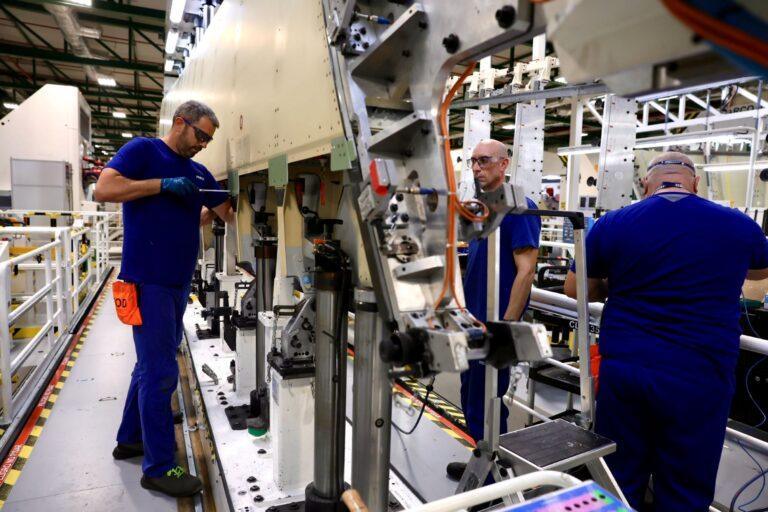
Polish manufacturing has defied the slowdown hitting much of Europe. While German industry struggles and many regional economies stagnate, Poland’s factories continue to expand. The reasons behind this resilience are complex — from diversification and domestic demand to investment, defense spending and shifting supply chains.
The latest data suggests that Poland’s economy entered July with strong momentum. Consumers increased their spending, industrial production grew at its fastest pace in months, and the stock market rally continued. At the same time, recent developments have raised questions about how sustainable this positive picture will prove to be.
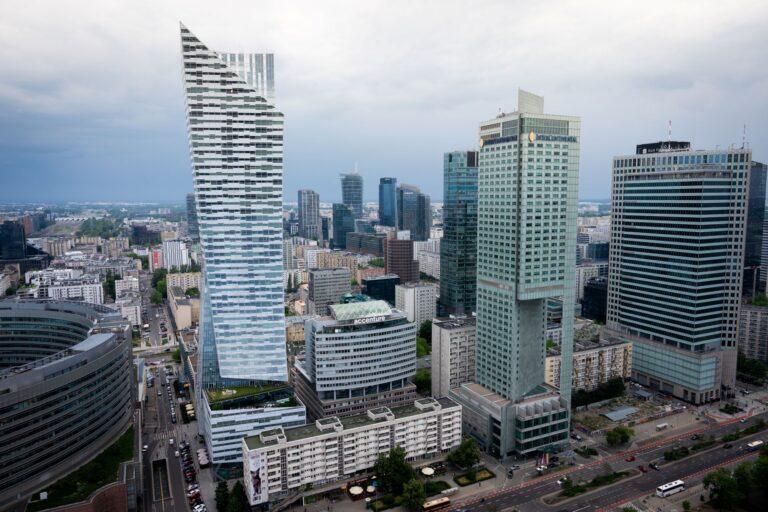
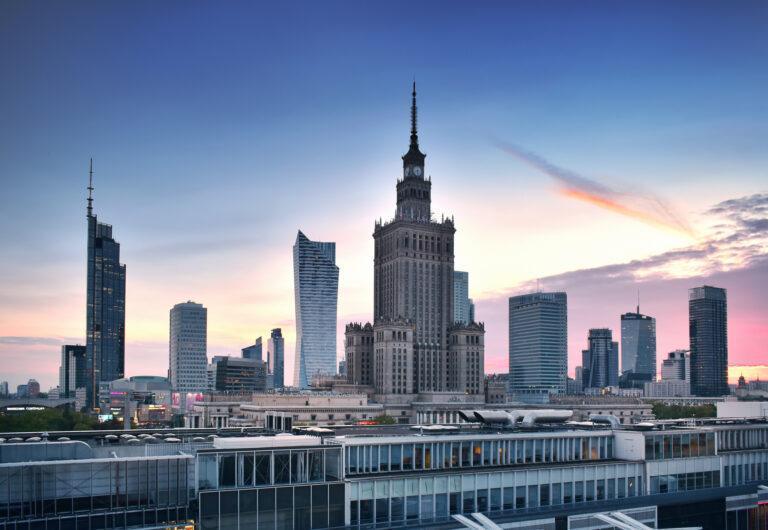
Warsaw is home to just 9% of Poland’s population but generates 17% of its GDP. Compared with other EU capitals, it is unusually small—and less economically dominant than many of its regional peers.
A surge in fuel prices pushed Poland's annual inflation rate back up to 3% in July. But falling food prices have offset much of the pressure, leaving overall inflation broadly under control despite growing geopolitical uncertainty.
Life expectancy in Poland has reached a record high, yet the national average conceals striking disparities. Women continue to outlive men by a wide margin, regional gaps stretch to more than a decade, and some of the country's longest-lived communities are among its least affluent.
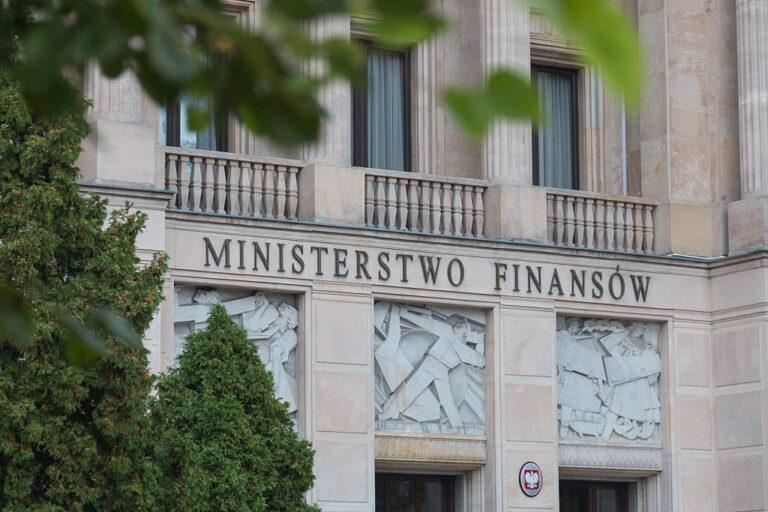
Poland’s general government debt reached 61.6% of GDP in the first quarter of 2026, according to Eurostat. That means that, for the first time since the fall of communism, it has exceeded the 60% of GDP reference value set out in the Maastricht criteria
South Korea is often viewed as a symbol of a modern, technologically advanced economy. In Poland’s case, the focus is usually on the country’s economic success following its transition from communism to a market economy

 Marek Skawiński

 Michał Kulbacki