

This article is a part of Poland Unpacked. Weekly intelligence for decision-makers
Poland’s Monetary Policy Council (RPP) left interest rates unchanged at its July meeting, keeping the reference rate at 3.75%. The decision was widely expected by the market and came as little surprise given the latest inflation data.
 Interactive chart
 According to Statistics Poland’s (GUS) preliminary estimates, annual inflation fell to 2.5% in June from 3.1% in May, landing precisely on the central bank’s inflation target.
The decline was driven primarily by lower oil prices following the ceasefire between the United States and Iran. In the second half of June, Brent crude fell from more than USD 90 per barrel to below USD 75. Prices rose somewhat after renewed U.S. strikes on Iran, but they remain well below the levels seen between March and early June.
Four factors shaping inflation
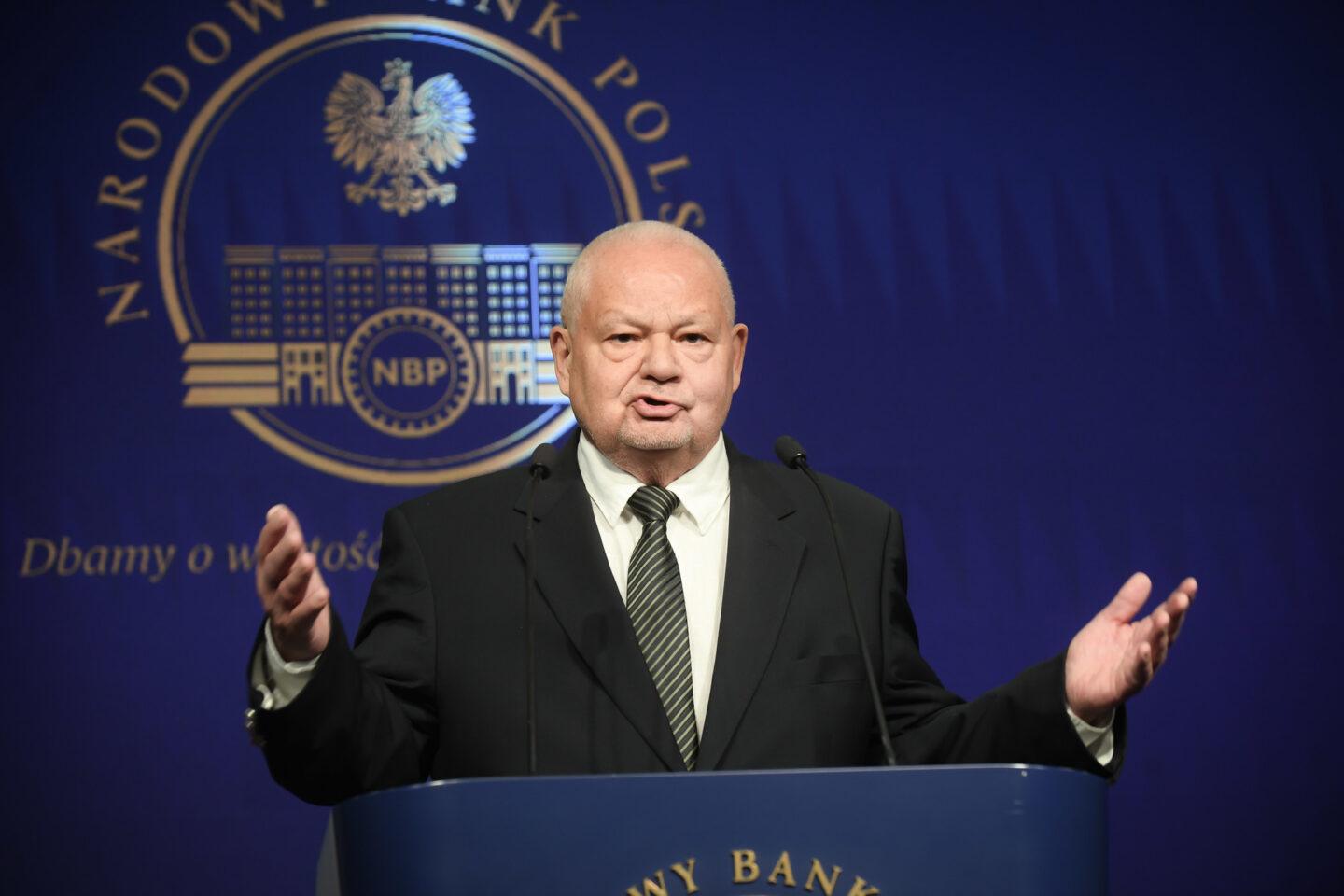
National Bank of Poland (NBP) Governor Adam Glapiński said there is no risk of a significant increase in inflation in Poland. He identified four key factors that will shape price developments in the economy.
The first is energy commodity prices – not only crude oil, but also natural gas and coal. While these prices remain volatile, he noted that they have generally declined in recent weeks.
The second factor is the broader economic outlook. According to the NBP’s latest July projection, GDP growth is expected to exceed 3.5% this year before easing to around 3% next year. In the governor’s view, this represents a solid pace of growth without creating inflationary pressure.
Interactive chart The third factor is the labor market. The key development here is slowing wage growth. In May, wages in the corporate sector rose by 5.8% year over year, down from 8.4% in May 2025. Across the economy as a whole, wage growth was likely even weaker. From an inflation perspective, this is a positive trend because it reduces excessive demand-side pressure. At the same time, households have become more inclined to save, which also supports slower price growth.
The fourth factor is the government’s fiscal policy. The general government deficit reached 7.3% of GDP in 2025 and is expected to decline to around 6.5% this year. Although this remains one of the highest deficits in the past 25 years, it is unlikely to widen significantly in the coming years, meaning its impact on inflation should remain limited.
XYZ’s take
Adam Glapiński did not rule out a 25-basis-point interest rate cut later this year, provided that the global macroeconomic and geopolitical environment remains stable. He was more cautious, however, about whether the Monetary Policy Council (RPP) would secure a majority in favor of such a move. If not this year, then – assuming no major inflationary shocks – interest rates should gradually decline by mid-2027.
Modest rate cuts appear well justified under current conditions. They are unlikely to be aggressive, however. In the past, Glapiński has repeatedly argued that the real interest rate – the nominal policy rate adjusted for inflation – should remain in the range of 1 to 1.5 percentage points.
The NBP expects inflation to hover around 2.5% next year. If that forecast proves accurate, there would be only limited room for further monetary easing – most likely one, or at most two, 25-basis-point cuts. The chances of the policy rate falling below 3% appear slim.