

This article is a part of Poland Unpacked. Weekly intelligence for decision-makers
 Interactive chart
 A closer look at the composition of that growth, however, offers little cause for exuberance. Today’s reading will in all likelihood prove to be the strongest of the year.
Composition
First, the low base effect from March 2025 deserves attention. Retail sales then fell by 0.3% year on year. A more granular breakdown also tempers any excessive optimism, particularly in the category with the strongest growth. Fuel sales surged by as much as 16.6% year on year, clearly linked to the outbreak of war in the Middle East. Motorists appear to have filled up in advance, wary of potential increases in petrol prices at the pump.
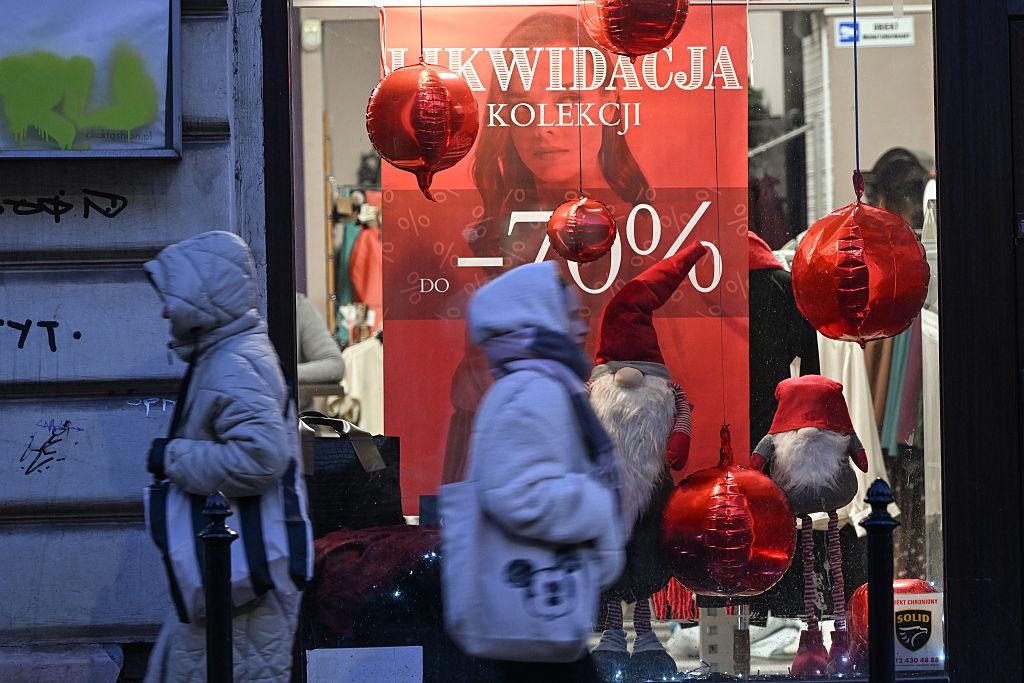
Interactive chart Sales of clothing and footwear rose by 13.6% year on year. One contributing factor may have been a sharp shift in weather between February and March. In Warsaw, for instance, the average temperature increased by as much as 11°C month on month this year, compared with an average rise of around 4°C over the past three years. This may have prompted consumers to bring forward spring purchases into March – spending that in previous years would likely have been spread more evenly over time.
Easter fell in early April this year, compared with the second half of the month last year. As a result, a portion of spending – albeit probably modest – may have been pulled forward into late March.
XYZ’s take
The number of one-off factors boosting March’s strong retail sales growth should not obscure the broader picture, which currently looks solid. Consumers appear to be saving less and have largely rebuilt their financial buffers. That said, data on the savings rate for the first quarter of 2026 will not be available for several months.
The outlook, however, is becoming more uncertain. The main risk stems from rising inflation driven by geopolitical disruptions. Over time, this will erode households’ purchasing power, particularly as wage growth begins to slow. The result may be weaker consumption in the second half of the year.