Once hailed as one of Poland’s largest industrial projects, the polypropylene plant in Police has become an existential threat to Grupa Azoty. With billions in debt, frozen production, and creditors demanding immediate repayment, the group is now fighting for survival — testing the limits of state-backed industrial policy and bank patience alike.
For many in Poland’s IT sector, B2B contracts are a preferred model for higher pay and flexibility. With the launch of KSeF, tax authorities gain a tool that could flag arrangements resembling full-time employment. While the system does not enforce labor law, the data it generates may reshape how companies and self-employed specialists approach contracts.
In 2025, Polish authorities reported over 9,000 harmful ads to Meta, yet according to data obtained by XYZ half were ignored or rejected. Experts warn that scams using AI, deepfakes, and voice cloning are outpacing moderation, while opaque platform data leaves regulators in the dark.
While many banks pull back from small and medium enterprises, Ebury is expanding in Poland, offering transaction banking, currency hedging, and trade finance. The fintech plans to double its Polish client base and introduce new digital platforms to manage FX exposure.
From bancassurance to internal risk models, Poland’s largest insurer is retooling its operations to secure its domestic market position while exploring new opportunities abroad. CEO Bogdan Benczak stresses disciplined growth, strengthened distribution networks, and technology modernization as key pillars of the strategy.
The origin of capital behind property developers has long featured in debates about Poland’s housing market. As foreign funds and international investors have become more visible, questions have resurfaced about the sector’s true ownership structure. What matters most, however, is the actual influence that investors from outside Poland exert on the market. We took a closer look at the data.
Coal Energy is undeterred by conditions in the European coal market and is announcing an expansion into Poland. Its plans include building a coal mine in Silesia and providing mining services to domestic companies. These declarations have been met with astonishment by both analysts and mining trade unions. “We are closing state-owned mines because, supposedly, we no longer need coal - yet at the same time we are to open private ones? What is this really about?” asks head of the mining section of Solidarność trade union.
Poland’s tax authorities have scored their biggest ever win in a corporate tax audit, forcing a major brewer to pay PLN 512 million (EUR 120 million) in back taxes and interest. The case signals a far tougher stance on dividend structures in multinational groups.
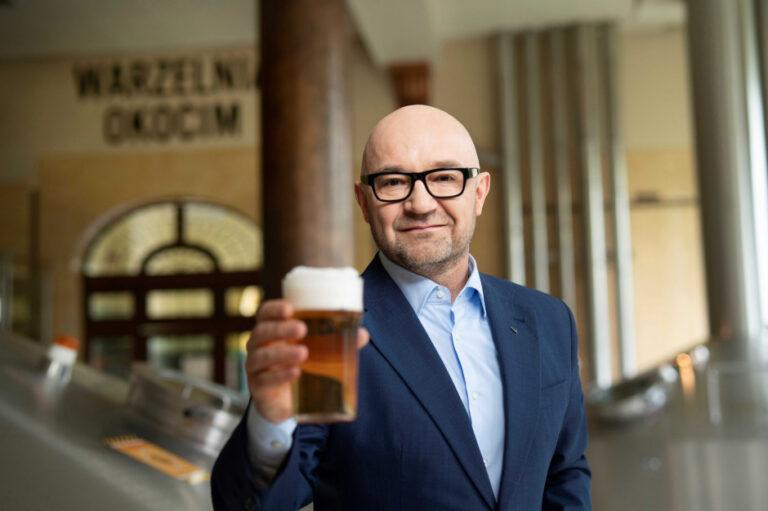
“Sales and consumption of alcoholic beer will continue to decline in the coming years, along with alcohol content in beer. Meanwhile, the non-alcoholic segment will keep growing. There may also be room for beers with so-called functional benefits, offering something extra,” says Mieszko Musiał, CEO of Carlsberg Poland.
Eighteen years have passed since mBank debuted in Czechia and Slovakia. It operates in markets dominated by banks controlled by Western financial groups. Even so, it has already won over 1.2 million customers, and its consumer-loan portfolio is growing by a quarter year on year. The bank is now focusing on activating customers, increasing market share, and launching an investment offering.


 Barbara Oksińska
 Katarzyna Witwicka-Jurek
 Cezary Szczepański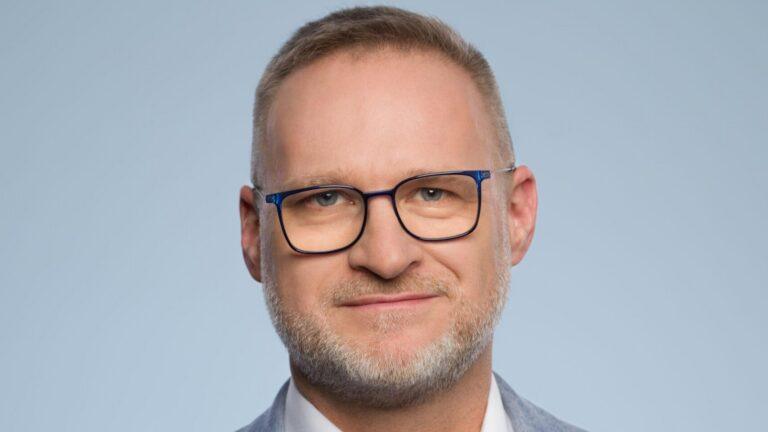
 Piotr Sobolewski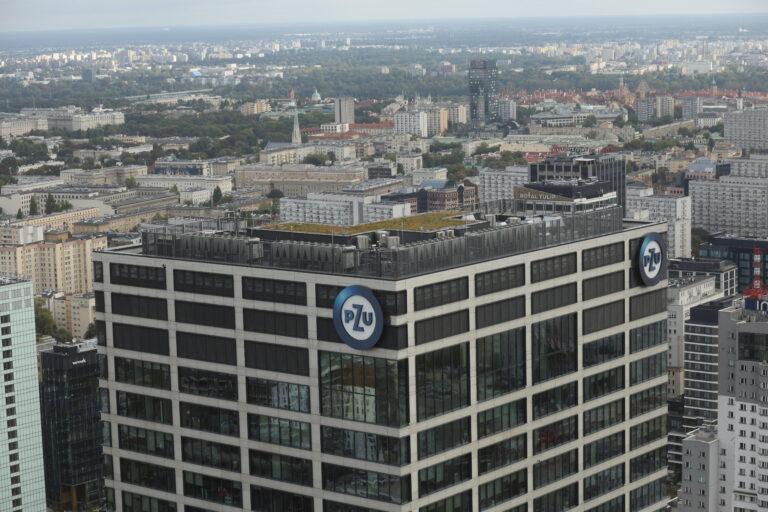

 Szymon Matuszyński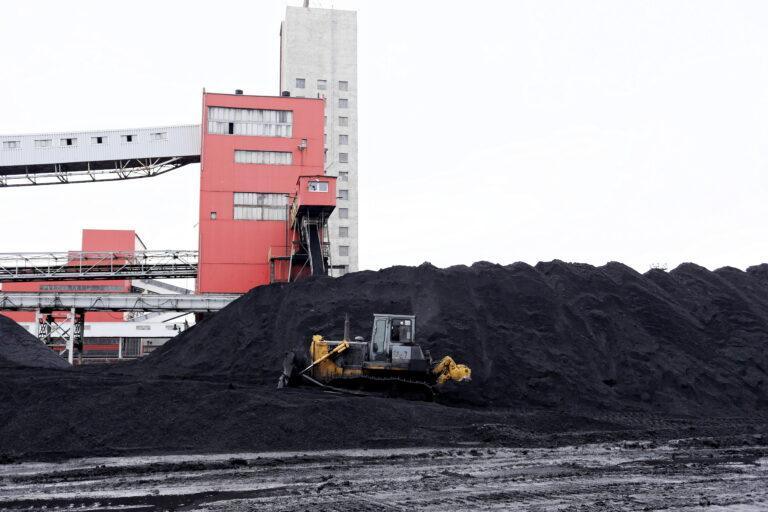

 Magdalena Brzózka