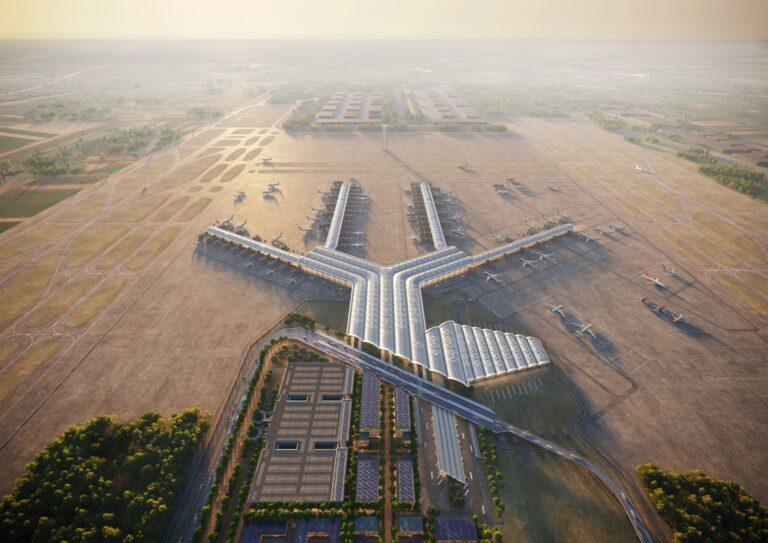
The year 2026 is set to mark the start of several major infrastructure projects: the groundbreaking for the Central Communication Port, the launch of the High-Speed Rail network, and the modernization of Warsaw’s Chopin Airport. Yet in a political landscape that is shifting rapidly, can these long-planned milestones actually survive?
The gastronomy sector is fighting to return to normal after a pandemic that turned Polish restaurant tables upside down. But the path is anything but easy.
In 2026 some service centers will close or cut headcount, while new ones – smaller, mostly European and more specialized – will emerge. A major shift driven by artificial intelligence lies ahead.
From October 1, 2025, a deposit-return system comes into force in Poland. What does this mean in practice? What will the first days and weeks of implementing the “deposit” look like in the country?
For more than 25 years, Austria’s Erste Group has dreamed of entering the Polish market. That goal is closer than ever: once it secures the green light from Poland’s Financial Supervision Authority, it will complete the acquisition of a stake in Santander Bank Polska, the country’s third-largest bank. Group CEO Peter Bosek hopes the deal will close by the end of 2025.
More than 16,000 proposals, 600 experts, 100 days of work – and already 11 laws signed. This is the balance sheet of the largest civic deregulation sprint in Poland’s history: the SprawdzaMY initiative, led by Rafał Brzoska. We publish a detailed report reviewing the team’s work to date.
“The future is electric: it will be electrons, not fossil fuels, that power our economy, heat our homes, and drive our transport,” explains Grzegorz Onichimowski, CEO of PSE.
The online sports retailer, backed by the bValue fund, is set to approach PLN 500 million (EUR 105 million) in revenue after just four years. Its further growth will be significantly driven by a partnership with Nike and the guidance of one of the brand’s former top executives. Marcin Grzymkowski, the founder of Sportano, spent years courting the sports giant. “In practice, the sports industry does not exist without Nike,” he says.
Across Europe – including its home market of Germany – it is far larger than Rossmann. In Poland, however, it is only beginning to build its position, acting very much like a startup. It has already rolled out a network of more than 70 stores and plans to invest tens of millions of PLN next year in further expansion. Its approach to the Polish market has been distinctive. “We don’t want to be the biggest – only the best,” stresses Markus Trojansky, managing director of dm-drogerie markt in Poland.
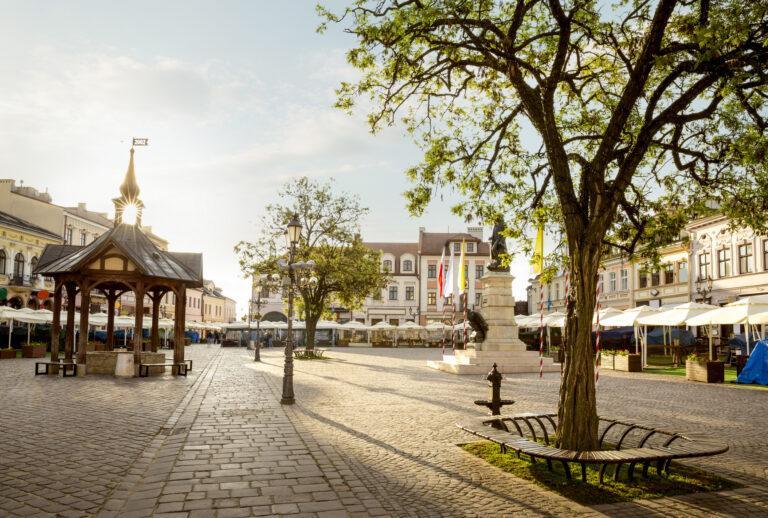
"Eastern Poland is moving to the center of an important process that will clearly enhance our attractiveness,” says Konrad Fijołek, mayor of Rzeszów, in an interview with XYZ. He discusses the challenges and benefits for a city that has become a pivotal hub of cooperation between the Western world and a fighting Ukraine.

 Emilia Derewienko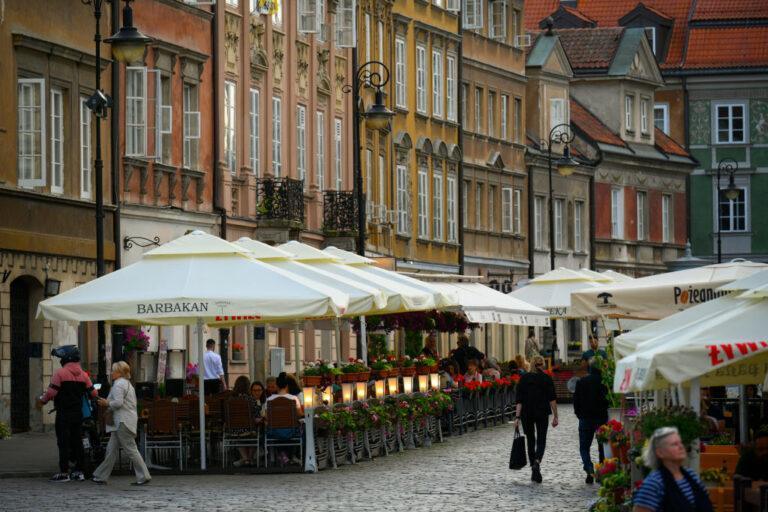
 Magdalena Brzózka
 Małgorzata Grzegorczyk
 Piotr Sobolewski
 Michał Szcześniewski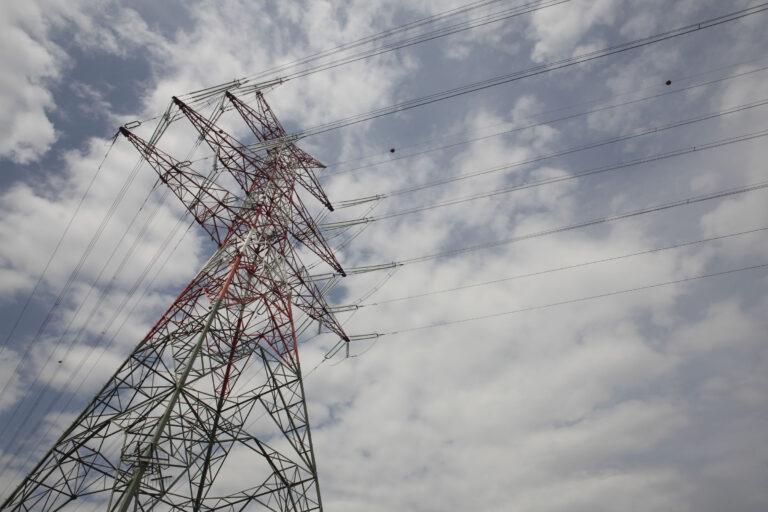
 Barbara Oksińska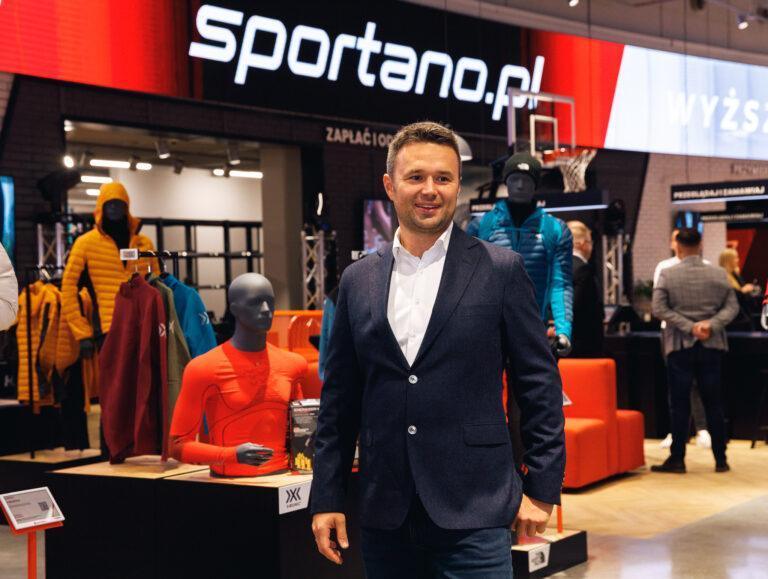
 Mariusz Bartodziej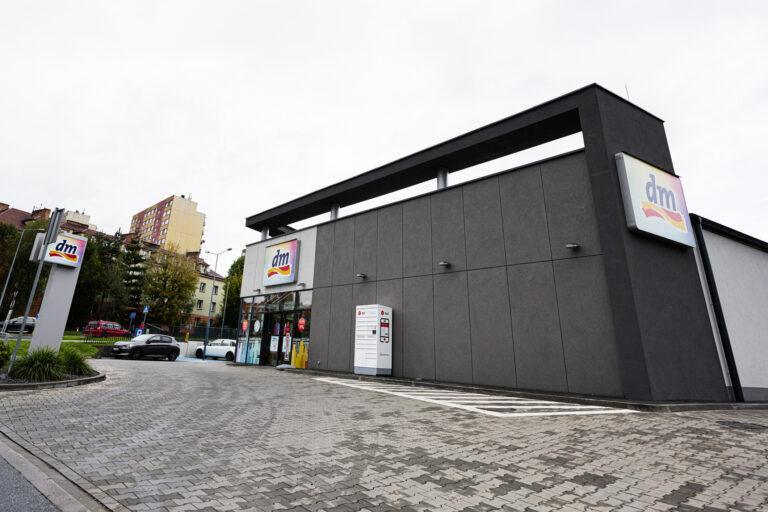
 Katarzyna Mokrzycka