Poland’s largest fashion group is opening Sinsay to outside sellers, betting that its customer base, store network and logistics can challenge established marketplaces.
Erbud is ending its modular-construction venture after years of investment failed to deliver sustainable profitability. The group will absorb hundreds of millions of złoty in write-downs and refocus on businesses where it already has scale.
A new tool backed by InPost founder Rafał Brzoska aims to detect, document and connect fraudulent online campaigns. Its creators argue that technology can do what social-media platforms have so far failed to do effectively.
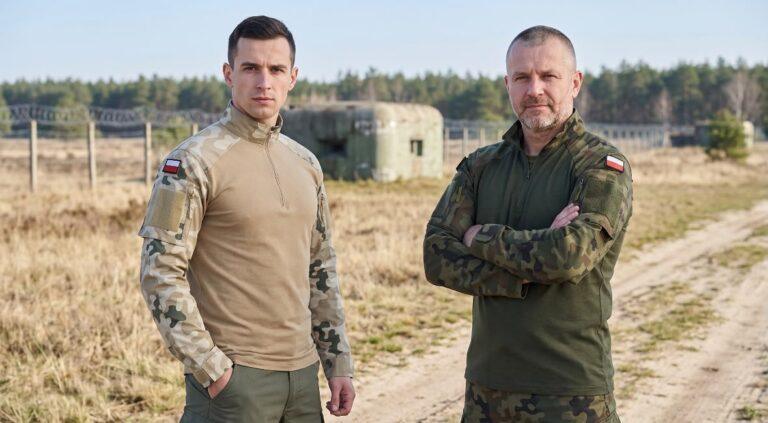
Poland has the money, talent and industrial capacity to build a modern defense sector. What it lacks is a clear strategy, better coordination and greater trust between the state and business, argues Gen. Tomasz Piotrowski, a former senior Polish military commander.
Investors have largely shrugged off war, oil-price shocks and Donald Trump’s unpredictability. Piotr Kuczyński sees a more dangerous threat elsewhere: rapidly rising debt and a bubble in the bond market.
The pandemic sent Zarys’s revenue soaring from PLN 200m to more than PLN 850m. Instead of treating the boom as a one-off, Paweł Ossowski used the windfall to build a broader, more international business
Trawena has built a growing business supplying specialized clothing to armed forces, including the Bundeswehr. Now it is looking beyond Germany, betting that diversification will help it navigate the cycles and risks of defense spending.
Nearly 90% of Central Europe’s private-debt transactions take place in Poland, according to Deloitte. ACP Credit, already one of the country’s biggest players, is raising a second fund to expand its reach and increase the size of its bets.
Mokosh believes Poland can build its own cosmetics identity. The family-owned brand is expanding abroad, investing in high-tech formulations and looking to turn the growing global appetite for natural cosmetics into a platform for Polish premium beauty.

 Mariusz Bartodziej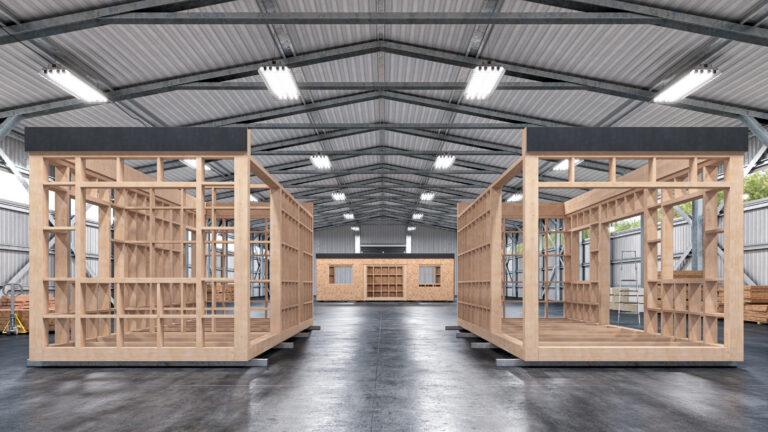
 Szymon Matuszyński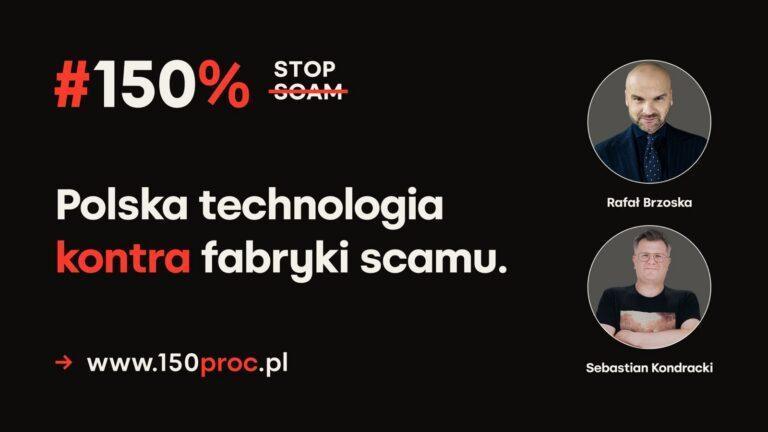
 Martyna Maciuch
 Michał Szcześniewski
 Łukasz Ostruszka


 Magdalena Brzózka