Eleven generals died in aviation accidents under Bogdan Klich’s ministry, yet former president Andrzej Duda has claimed the toll exceeded that of the second world war. Historians’ data paint a very different picture.
President Karol Nawrocki and Prime Minister Donald Tusk faced off over the SAFE program, the Peace Council, and the Speaker of the Sejm. With billions of euros at stake, the government hopes for swift implementation, while the president demands transparency and caution.
The right-wing Confederation party, led by Sławomir Mentzen, is experimenting with direct voter engagement through Project 27, an online platform soliciting proposals for its 2027 program. The move reflects a strategy to regain momentum on the right and reconnect with an electorate increasingly courted by radical alternatives.
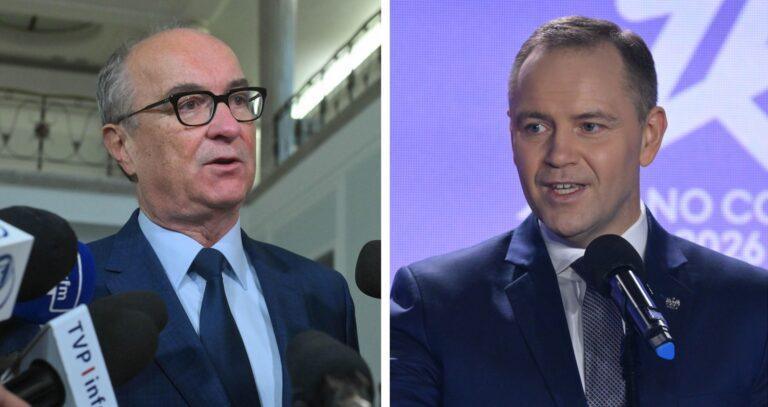
Once a forum for addressing threats from abroad, Poland’s National Security Council has become a theatre for domestic political rivalry. President Karol Nawrocki’s second convening of the body pits him against Sejm Speaker Włodzimierz Czarzasty
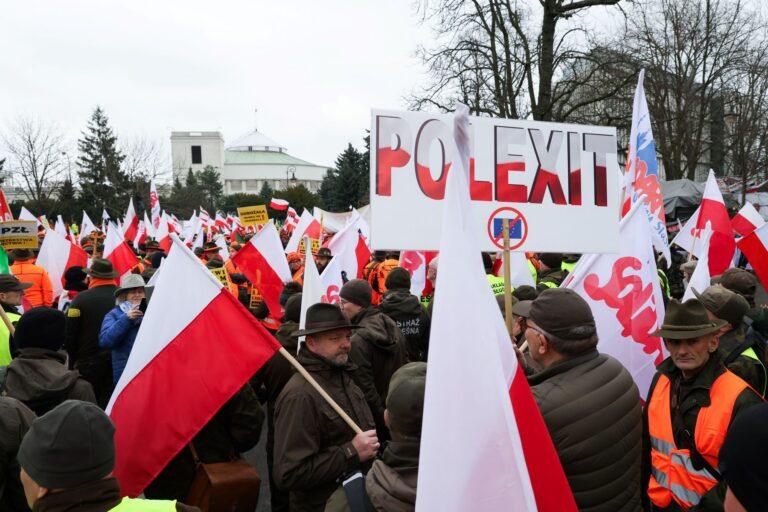
For years, polexit was treated as a rhetorical device rather than a real political option. That assumption is now under strain. Fresh survey data show growing euroscepticism among men, young voters, and key right-wing electorates – reshaping Poland’s political landscape
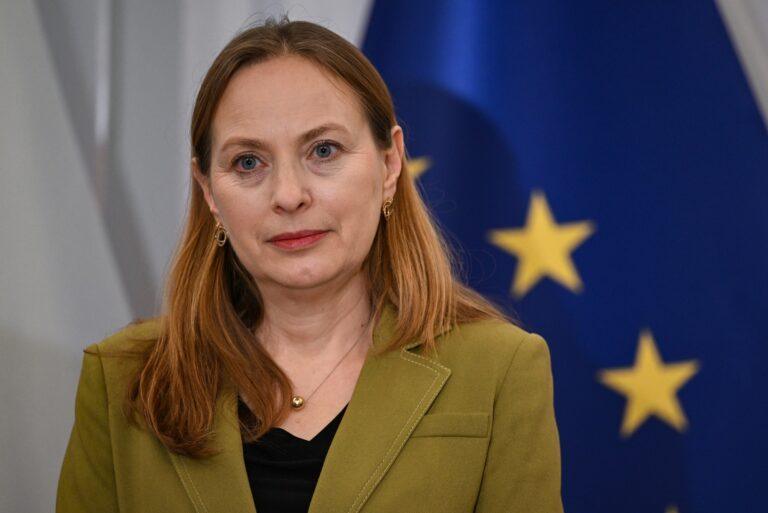
Katarzyna Pełczyńska-Nałęcz has assumed leadership of Poland 2050, promising to empower regional structures and reinforce the party’s centrist identity. With internal divisions still raw and support in the polls minimal, she faces the dual challenge of party unity and political relevance.
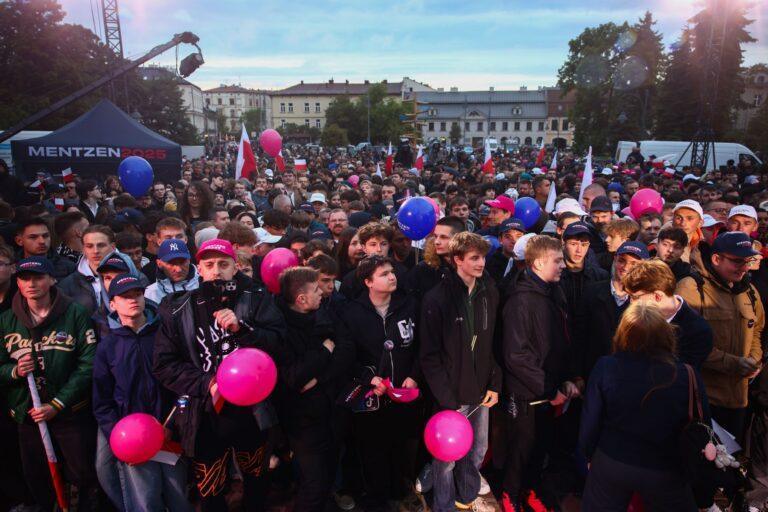
Nearly half of Poland’s youngest voters entered the 2025 presidential election undecided. Support for mainstream candidates is minimal, while smaller, ideologically distinct politicians gain traction – reflecting a generation more concerned with practical state effectiveness than conventional political divides.
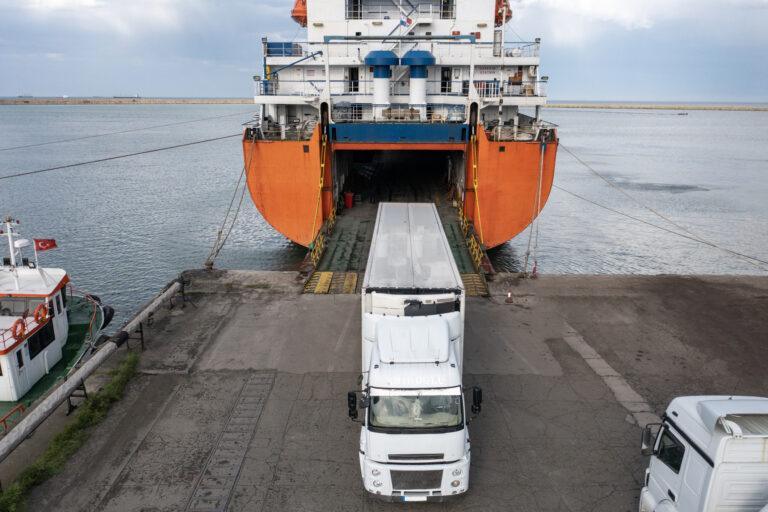
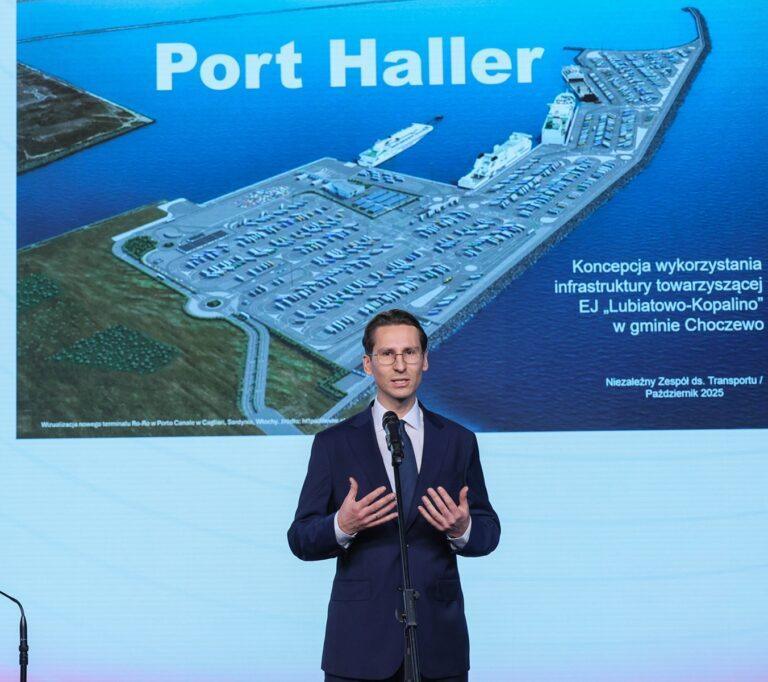
“There is no fully fledged ro-ro port on Poland’s coast. From a logistics standpoint, such a facility requires a great deal of space. No such area has been earmarked in either Gdańsk or Gdynia,” says Kacper Płażyński, a member of parliament from the Law and Justice (PiS) party, explaining the rationale for building Port Haller.
Jarosław Kaczyński, leader of the Law and Justice (PiS) party, has floated the idea of building a new port in Pomerania – Port Haller. The project would be located near the planned nuclear power plant, within the municipality of Choczewo. Does this proposal rest on solid foundations, or is it little more than political bait?
We have grown accustomed to the idea that two Polish politicians can hold three different opinions. Yet when it comes to international affairs, those differences appear to blur noticeably. In the context of developments surrounding Venezuela and Greenland, critical voices toward the United States are rare – and when they do emerge, their reach is limited. Today, we take a closer look at how Polish politicians are reacting to the latest global tensions.

 Łukasz Grzesiczak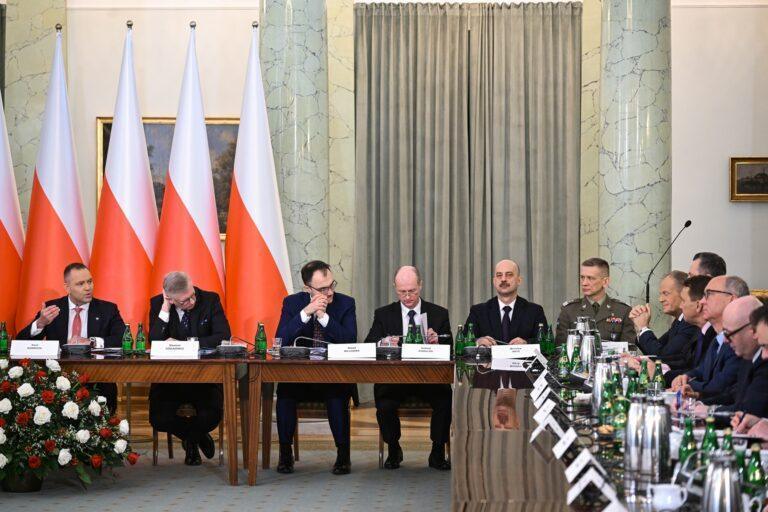
 Łukasz Maziewski
  Rafał Mrowicki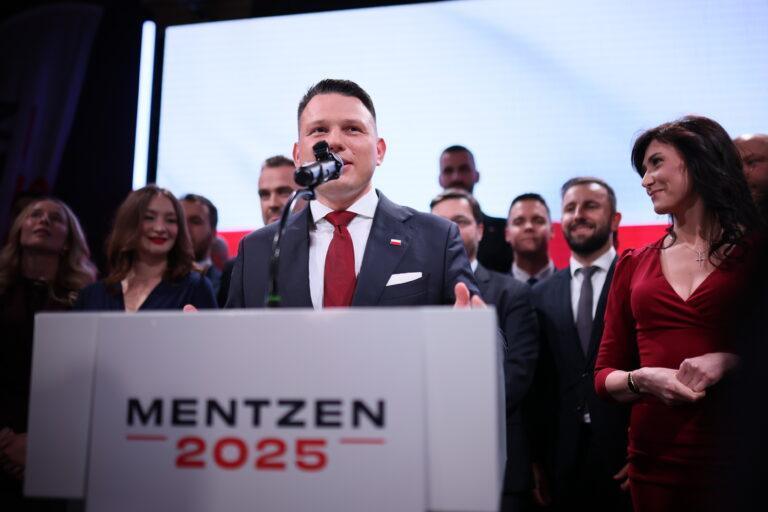
 Krzysztof Figlarz