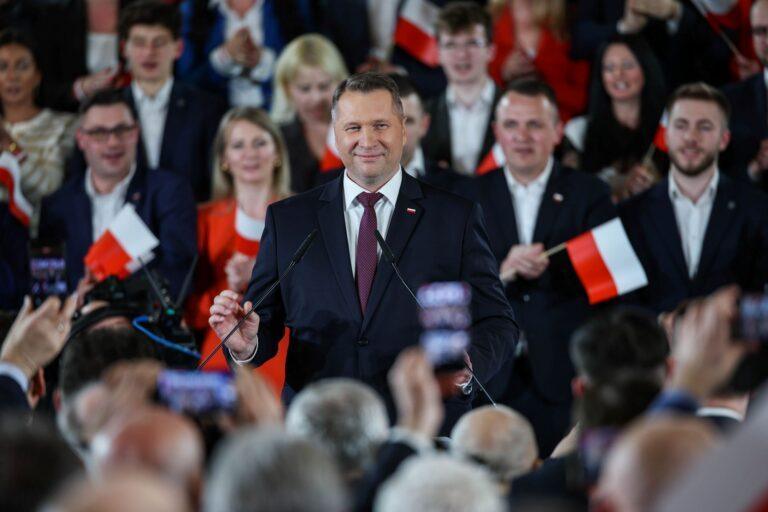
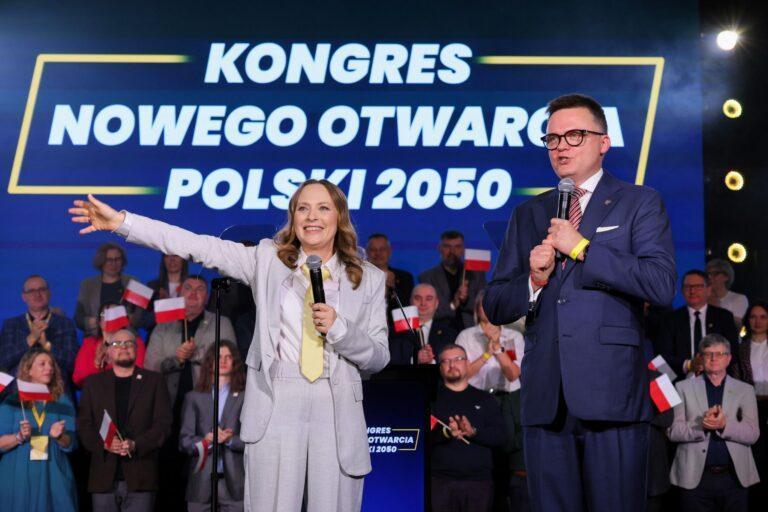
At a Warsaw congress billed as a “new opening,” Poland 2050 attempted to reposition itself with a pro-labor agenda, a more confrontational tone toward its coalition partners, and a slogan aimed at the salaried middle class.
As Law and Justice pushes its hardline agenda, MEPs Jaki and Bocheński clashed with students over the EU’s SAFE program, historical grievances, and Poland’s sovereignty. The skirmishes underscore a strategy of political polarization that is resonating beyond the lecture hall.
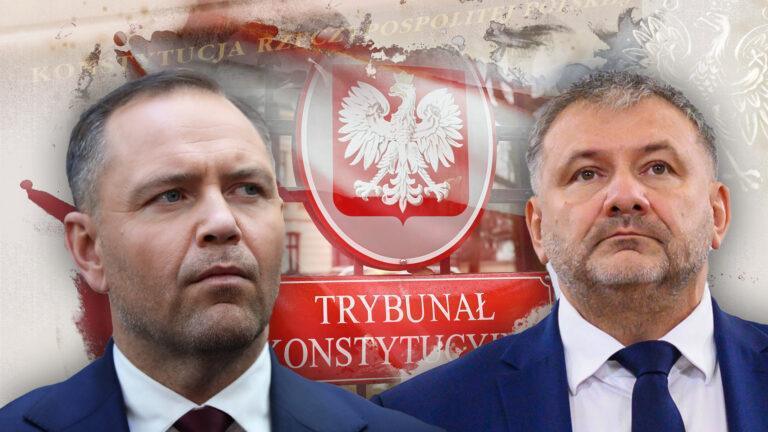
After the Sejm appointed six new judges to Poland’s Constitutional Tribunal, attention turns to their swearing-in before the president. The process has sparked political disputes, highlighting a deeper crisis of public trust in the court and the erosion of its perceived independence over the past decade.
President Karol Nawrocki’s veto of the SAFE law weakens his own standing on the right while shifting euroscepticism from rhetoric to policy. The government is moving forward to secure EU funding for defense, navigating legal and political hurdles in the process.
Municipalities are closest to the people. In practice, Poland’s local governments struggle to maintain meaningful engagement with residents. A recent index shows that everyday democracy – measured by openness, transparency, and citizen participation – scores barely 42 out of 100. Small and large municipalities alike face challenges, though some smaller communities prove that size does not preclude effective civic involvement.
Law and Justice has formally named Przemysław Czarnek as its candidate for prime minister, a choice designed to appeal to the party’s right-wing base while laying the groundwork for potential coalitions with smaller conservative parties. The selection sidelines Mateusz Morawiecki’s centrist vision and signals a sharper ideological turn ahead of the 2027 parliamentary elections
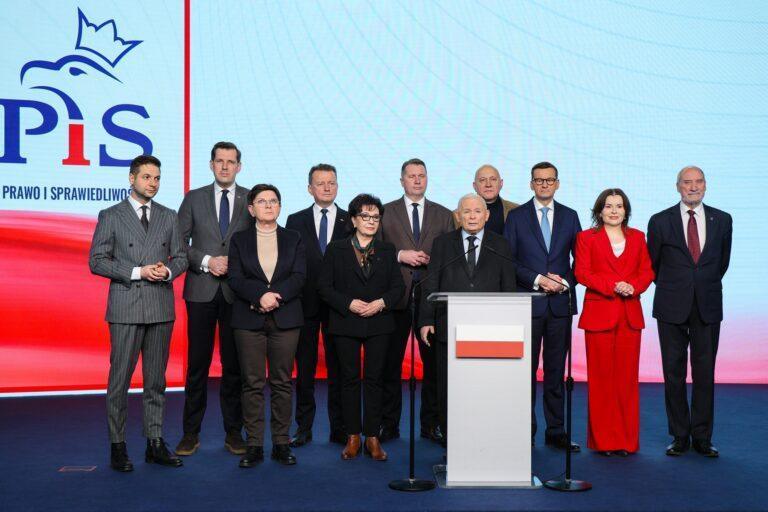
Amid the lowest polling figures since the last elections, PiS chairman Jarosław Kaczyński will unveil the party’s candidate in Kraków. The announcement highlights both the search for a fresh face and the delicate balance of competing factions within the party.
A group of Law and Justice (PiS) politicians, associated with the so-called “butter boys” faction, has hit the road across Poland. They are urging students to reconsider their views on the European Union. We went to Wrocław and Lublin to see who persuaded whom – and what political objectives lie behind this new initiative.
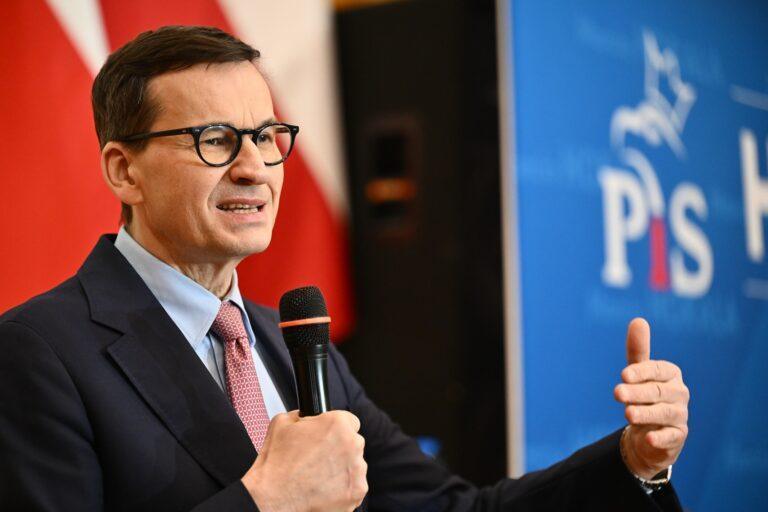
The former prime minister is no longer spoken of as a potential candidate for the premiership on behalf of Law and Justice (PiS). Even so, Mr. Morawiecki is not yielding ground to party rivals from a competing faction.
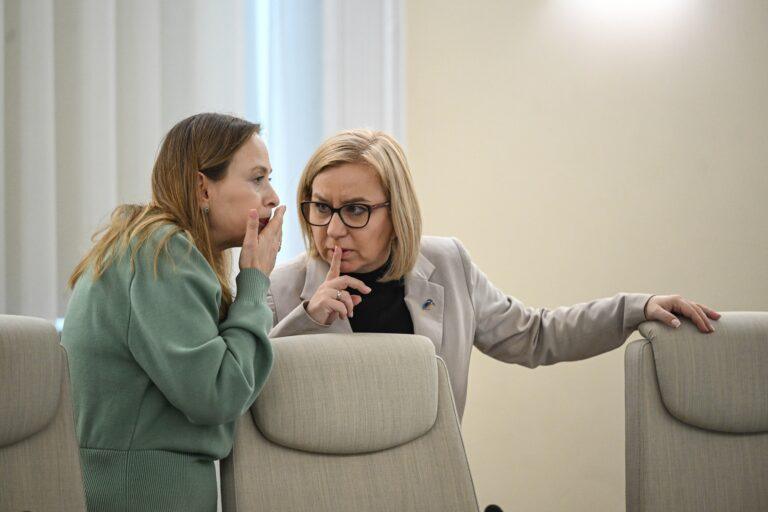
Over half of Poland 2050’s parliamentary caucus has left the party, forming a new group called Centrum under Paulina Hennig-Kloska. The split comes after internal disagreements over leadership and personnel decisions, leaving the remaining Poland 2050 caucus narrowly outnumbered.

 Krzysztof Figlarz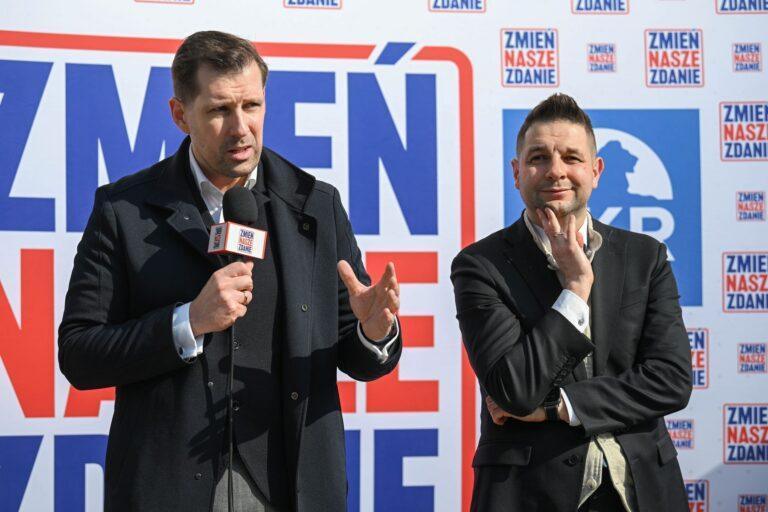
 Rafał Mrowicki
 Łukasz Maziewski