One of Civic Coalition’s (KO) key promises ahead of the 2023 election was to professionalize and depoliticize state-owned enterprises. While the number of overtly politicized chief executives has clearly fallen, party-line appointments remain far from rare. But is there at least greater stability in the executive ranks? We analyzed the number of leadership changes.
By securing political asylum in Hungary, Zbigniew Ziobro has bought himself time to evade prosecutors, who are seeking to bring 26 charges against him. Politicians from the governing coalition have been quick to remind him of his past statements, when he cast himself as a tough-talking law-and-order sheriff and mockingly urged today’s rulers not to fall short of effectiveness when it came time to hold him to account
What was set to be arguably the biggest legal overhaul of 2026 will not happen. The planned reforms of the National Labor Inspectorate (Państwowa Inspekcja Pracy, PIP) are off the table – or at least, not in the form envisaged by the draft amendment. The Prime Minister has decided to terminate the legislative process. Formally, the draft will be shelved, but in practice, the government chief’s decision does not resolve the underlying dispute.
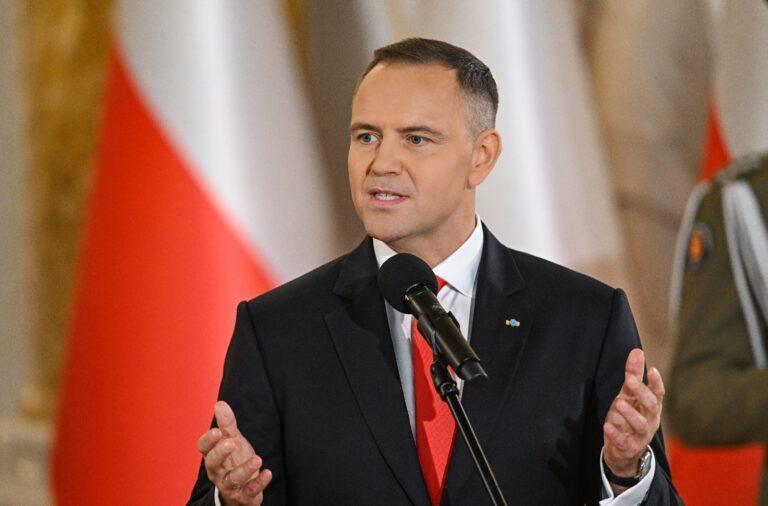
In only 41 cases are Polish diplomatic missions headed by full ambassadors; in as many as 54, they are led by chargés d’affaires ad interim. These are the tangible consequences of the dispute between President Karol Nawrocki and Foreign Minister Radosław Sikorski over personnel and the direction of Poland’s foreign policy. Diplomats admit that the conflict is harming Poland’s international interests.
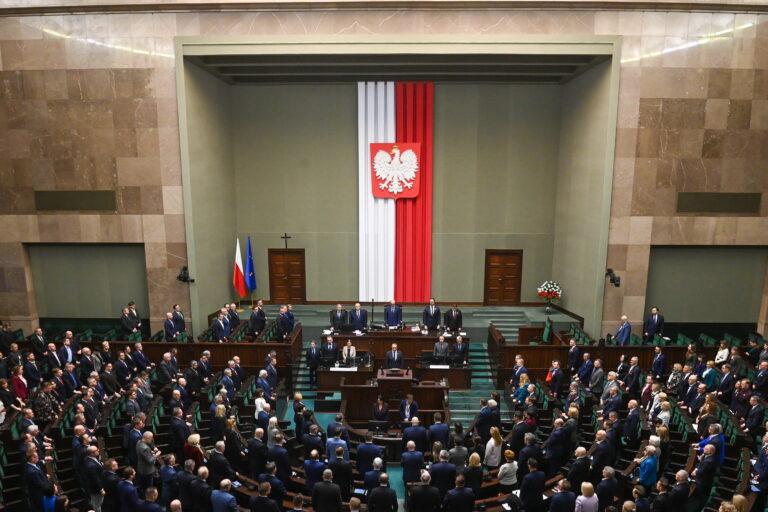
The year 2026 is the first since 2023 without nationwide elections. This, however, does not mean that Polish politics will enjoy a period of calm. Beyond ongoing tensions between the government and the president, what else might Polish politics hold in 2026?
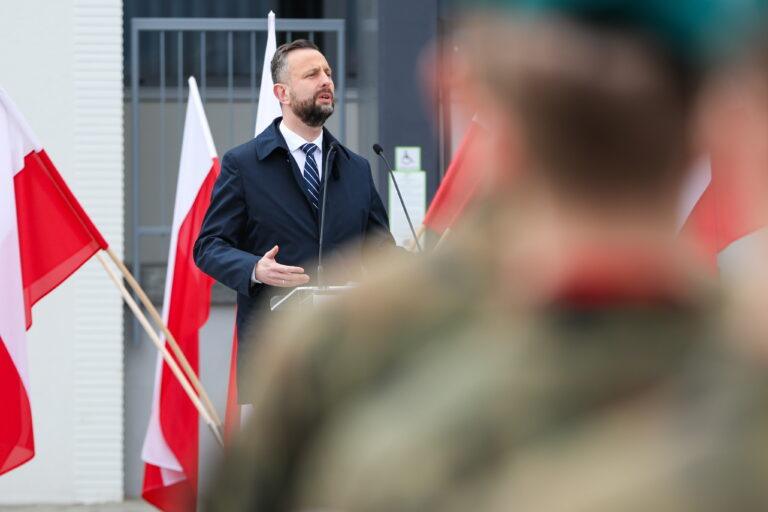
Poland’s Ministry of National Defense (MoND) is leaving behind a fairly good year. Under the leadership of Władysław Kosiniak-Kamysz, the ministry enjoyed a strong run in 2025, capped by several genuinely important decisions – mostly on procurement. The next 365 days, however, may be less rosy. Here are 15 areas where reefs, shoals, and potential trouble may await the MoND.
Just before the end of 2025, the government submitted to the Sejm a draft bill on the status of a “close person” and a cohabitation agreement. The proposal is intended to partially fulfil the long-standing demand to introduce civil partnerships. There is, however, no consensus on that issue even within the governing coalition. The government’s draft provides for tax and administrative facilitations for couples who have not entered into marriage.
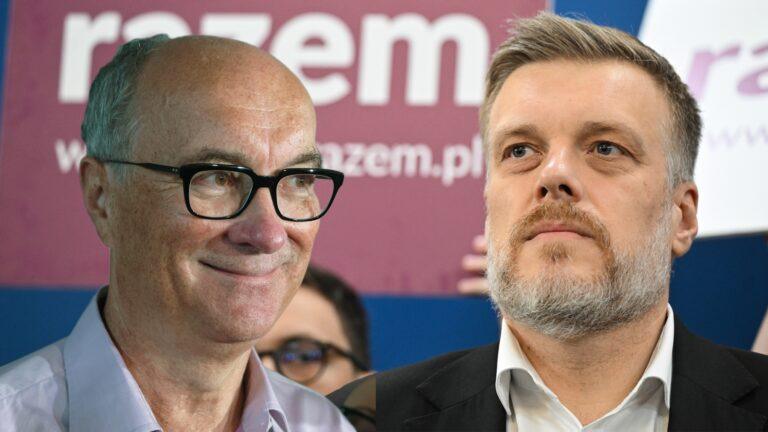
The New Left (Nowa Lewica) is buoyant, with new – though in reality familiar – leaders and ideas for a revolution in health care. The Razem (Together) party, meanwhile, wants a Poland built on silicon, nuclear power, and steel; its politicians are touring the country under the banner “Turbo Poland.” At the same time, both parties are competing for a similar electorate with strikingly similar proposals. They are also fighting to clear the electoral threshold. We examine the plans and objectives of both left-wing formations for 2026.
Karol Nawrocki won presidential elections by attracting anti-establishment voters from Sławomir Mentzen and Grzegorz Braun. He presented an appealing alternative for those who see Rafał Trzaskowski as the embodiment of elitism and liberalism. These insights emerge from research conducted by Prof. Przemysław Sadura and Sławomir Sierakowski.
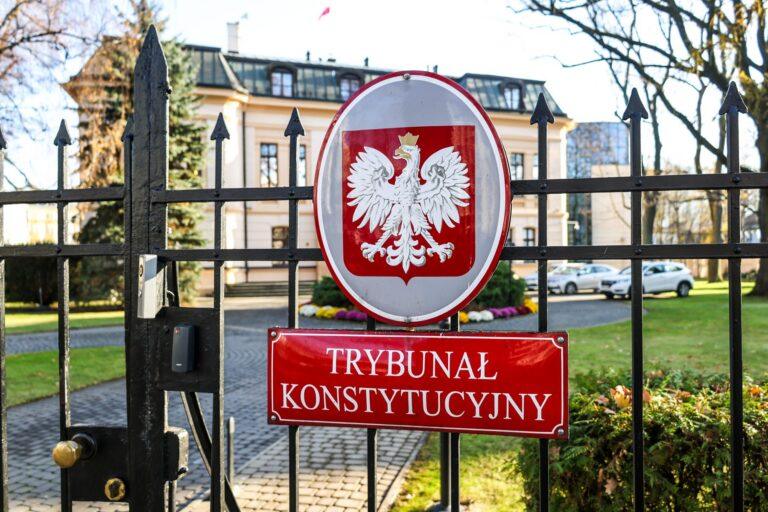
The Court of Justice of the European Union has ruled that Poland’s Constitutional Tribunal does not meet the requirements of an independent and impartial court. The ECJ found that two of the tribunal’s judgments breach EU law.


 Krzysztof Figlarz
  Rafał Mrowicki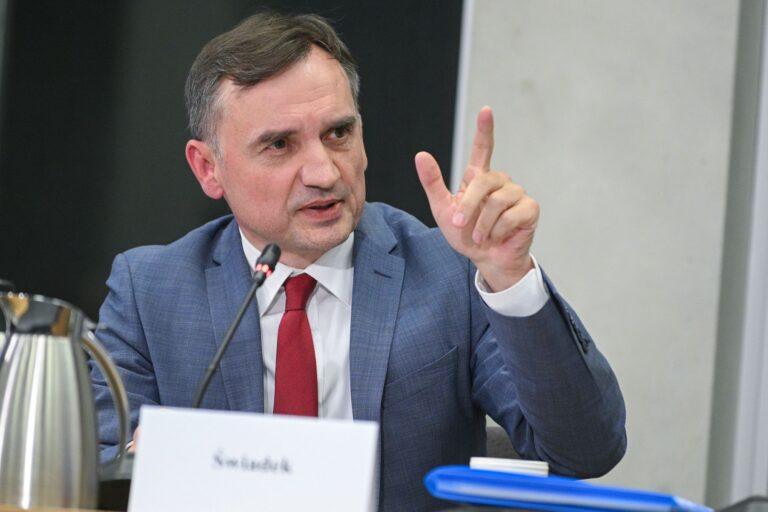

 Katarzyna Witwicka-Jurek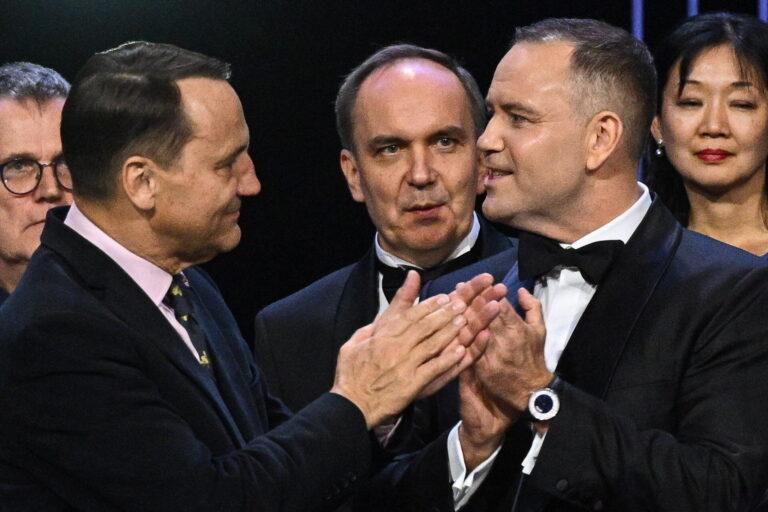
 Łukasz Grzesiczak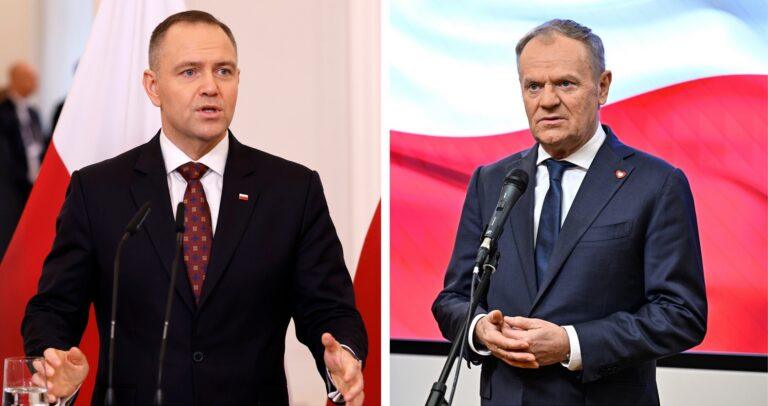
 Łukasz Maziewski