The conflict in the Middle East has now been ongoing for three weeks. Since its outbreak, energy commodity prices have surged sharply. Crude oil has risen by roughly 40 percent, while natural gas prices have jumped around 50 percent. Prices for derivative goods, including fertilizers, are also climbing.
Inflation in February 2026 stood at 2.1% year-on-year, according to Statistics Poland (GUS). January inflation was also 2.1%, contrary to the preliminary estimate of 2.2%. Price growth remains in the lower half of the National Bank of Poland’s (NBP) inflation target of 2.5%, ±1 percentage point.
Eurostat has released data on GDP growth in the EU for 2025, providing a clear lens through which to assess how member states are performing over a broader horizon. Annual GDP changes are important, but it is medium- and long-term growth that truly drives improvements in citizens’ welfare.
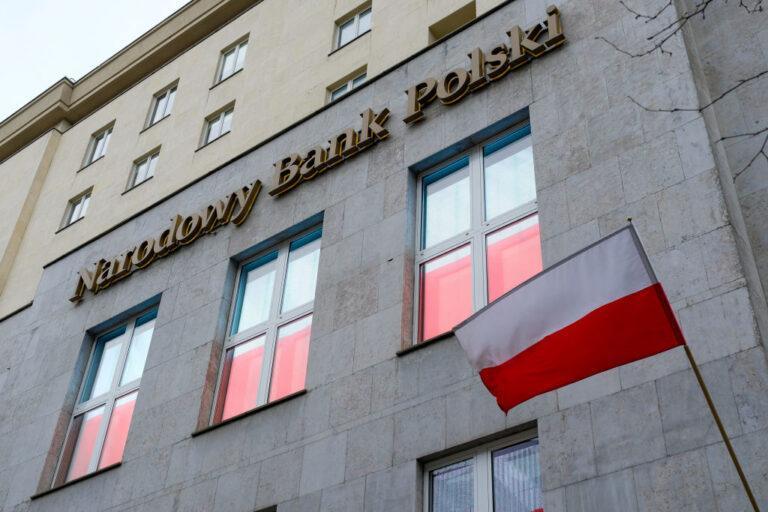
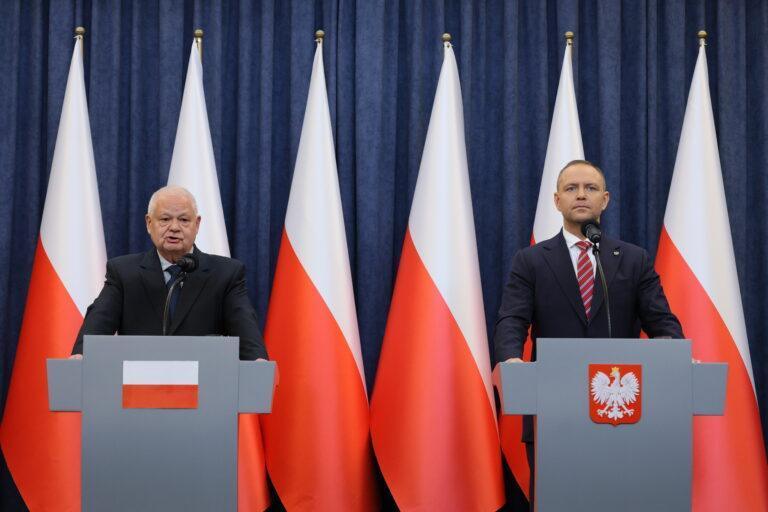
The central bank’s suggestion to sell gold reserves to finance defense spending has raised eyebrows in Warsaw. Beyond questions of scale and market risk, critics warn the proposal may be more a political maneuver than a viable alternative to EU financing under SAFE.
For some time now, Poles have been eagerly debating which country they will overtake next in terms of GDP per capita. Last week Spain became the latest benchmark for national ambition. According to projections by the International Monetary Fund (IMF) published last October, Poland is expected to surpass Spain in 2026 in GDP per capita measured at purchasing power parity (PPP).
The Monetary Policy Council (Rada Polityki Pieniężnej, RPP) has decided to lower interest rates by 25 basis points. The reference rate now stands at 3.75%.
Poland’s seasonally unadjusted real Gross Domestic Product (GDP) grew by 4% in the fourth quarter of 2025, outpacing the previous quarter’s 3.8% increase. Quarter-on-quarter, GDP rose by 1%. For the full year 2025, GDP expanded by 3.6%.
Poland may soon tap its gold reserves to fund defense spending at zero interest — an unconventional alternative to EU loans that could deliver quick cash but come with long-term costs and strategic trade-offs. The plan highlights the growing interplay between national finance and military strategy
Poland’s GDP grew by 4% year on year in the fourth quarter of 2025, according to Statistics Poland’s flash estimate. The chart makes the acceleration unmistakable. Growth reached 3.8% in the third quarter, 3.3% in the second, and 3.2% in the first. A year earlier – in the fourth quarter of 2024 – GDP expanded by 3.5% year on year.
The central government budget recorded a deficit of PLN 275.6 billion (EUR 64 bn) for 2025, the Ministry of Finance announced. Revenue amounted to PLN 594.6 billion (EUR 132 billion), while expenditures came in at PLN 870.2 billion (EUR 193 billion)


 Michał Kulbacki
 Marek Skawiński