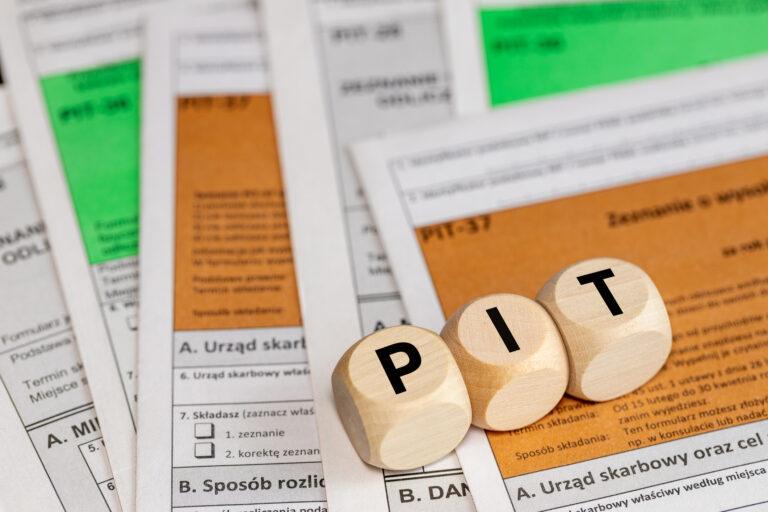
At first glance, everything appears stable – Poland remains close to the average for developed countries. Yet this is misleading: the real tax burden on labor is increasing, and the design of the system is increasingly shifting the load between different groups of taxpayers.
March marked a clear turnaround in Poland’s industrial performance. According to data from Statistics Poland, industrial output – adjusted for seasonal factors – rose by as much as 8.8% year on year, the strongest increase since 2022. By comparison, growth stood at 0.4% in January and 1.7% in February.
The National Bank of Poland (NBP) sets its inflation target at 2.5%, allowing for deviations of 1 percentage point in either direction. This places the target band between 1.5% and 3.5%. The framework was introduced in 2004.
As the global economy loses momentum and inflation picks up, Poland stands out among the EU’s largest markets. A stronger-than-expected finish to 2025 has lifted growth prospects – despite the drag from conflict in the Middle East.
The first data on Poland’s services output for 2026 are now in. In January, seasonally adjusted output rose by 4.6% year on year, according to data from Statistics Poland (GUS). This is a respectable result, though the pace of growth has clearly slowed compared with December last year.
GDP per capita is a good proxy for the level of prosperity, but it does not capture the full picture. One key dimension is health, measured both by life expectancy and by people’s subjective assessment of their quality of life. In both respects, Poland is gradually catching up with European Union countries, although it still remains below the EU average, and the pace of convergence varies across generations and social groups.
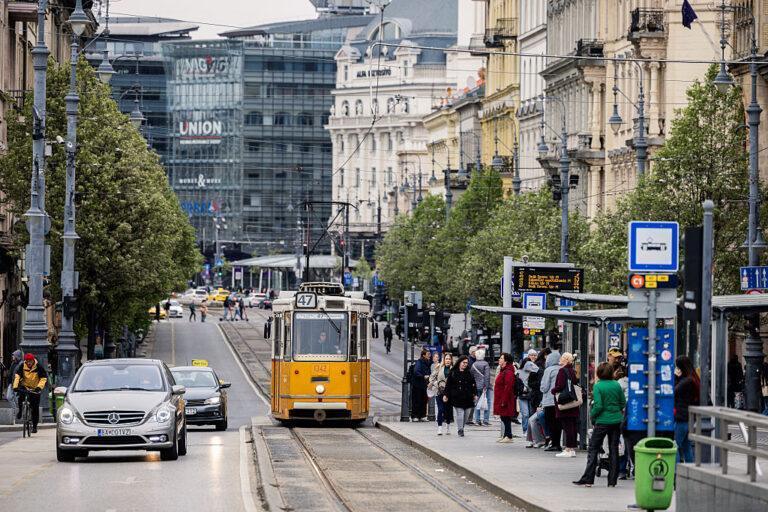
A change of power in Hungary could also bring an economic reshuffle in the region. The new government will face the task of rebuilding investment and reigniting growth. Among the potential beneficiaries are Polish firms, which already run a trade surplus and are investing with increasing confidence along the Danube.
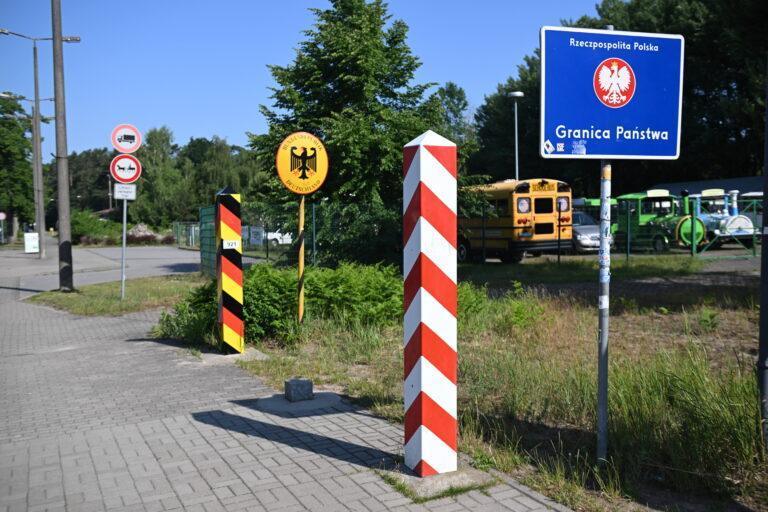
The value of merchandise trade between Poland and Germany reached almost EUR 180.6 billion, according to data from Germany’s Federal Statistical Office (Destatis). That is only EUR 6 billion, or 3%, less than Germany’s trade with France.
While much of Europe has been consolidating public finances, Poland has moved in the opposite direction. In 2025, its deficit rose to 7.2% of GDP, placing it at the top of the EU fiscal table among early reporters.

 Marek Skawiński
 Michał Kulbacki