EU institutions have agreed on adjustments to the AI Act aimed at reducing duplication of rules, expanding access to regulatory sandboxes, and harmonising sectoral requirements. The changes are meant to support innovation, but critics question whether they go far enough to close the competitiveness gap.
Business angel investing in Poland is moving closer to the mainstream, driven by tech success stories and a growing venture capital ecosystem. But challenges such as low trust, scarce exits, and early-stage concentration persist.
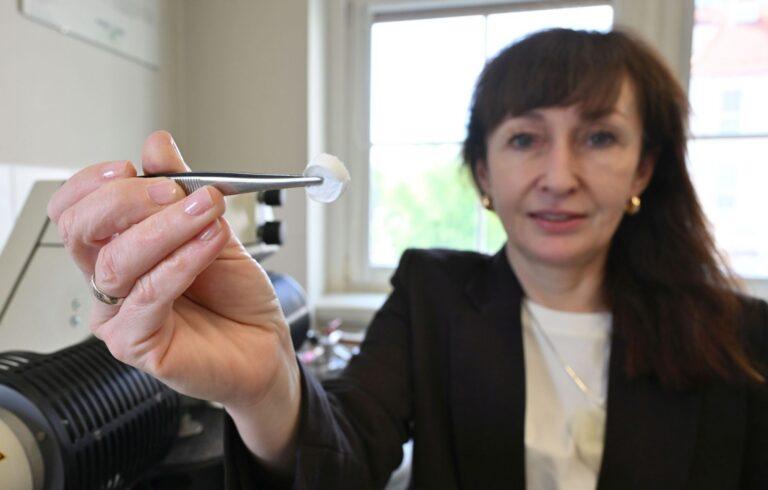
A promising joint-regeneration technology developed in Wrocław has attracted EU support and international partners. Yet the lack of robust domestic investment mechanisms for clinical trials may force its developers to seek commercialization opportunities in the United States.
Investments by Polish funds in foreign startups have clearly accelerated – the value of transactions in the first quarter of 2026 exceeded results recorded in some previous full years. The question is whether this is a one-off spike or a sign of a lasting trend in the venture capital market.
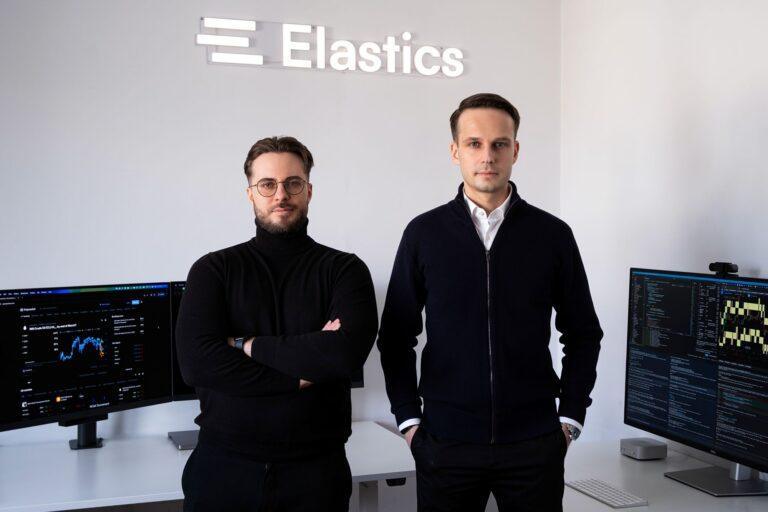
The Polish startup Elastics aims to build AI agents for traders and automate trading on prediction markets such as Polymarket and Kalshi. The idea has won over the French venture capital fund Frst as well as a strong group of Polish angel investors, including the creators of ElevenLabs.
EUR 400m-plus funding round for ElevenLabs pushed Poland’s venture capital totals to record levels in early 2026. Without it, however, the market appears subdued and dependent on small-scale deals
While venture capital increasingly favors deep tech over consumer apps, the lack of scalable university-originated projects continues to constrain Poland’s ability to turn research into investable startups
UniCredit is scaling its Banking-as-a-Service strategy in Europe through a PLN 0.5 billion (EUR 115 million) agreement that channels SME lending via automated receivables purchases
As court backlogs stretch into years, legal tech firms are betting that arbitration combined with automation and AI can offer businesses faster, more predictable outcomes – sometimes in just a few weeks.
As Europe’s electric vehicle market expands rapidly, attention is shifting from building charging stations to managing them efficiently. Polish-backed startup &Charge is betting that operational intelligence – not new infrastructure – will define the next phase of the EV transition.


 Anna Bełcik

 Katarzyna Mokrzycka

 Cezary Szczepański




 Katarzyna Witwicka-Jurek