Pocket is betting that meetings should no longer be documented through phones or manual note-taking. The San Francisco startup has now raised USD 11m (EUR 10.1m) to scale its hardware-first approach
Nearly PLN 9 billion (EUR 2.1 billion) in overdue rent payments and 70% of landlords reporting problems with tenants – these figures help explain why choosing a tenant in Poland still resembles a shot in the dark. The startup zaufanylokator.pl is introducing a credibility certificate assessed by an analyst, not an algorithm.
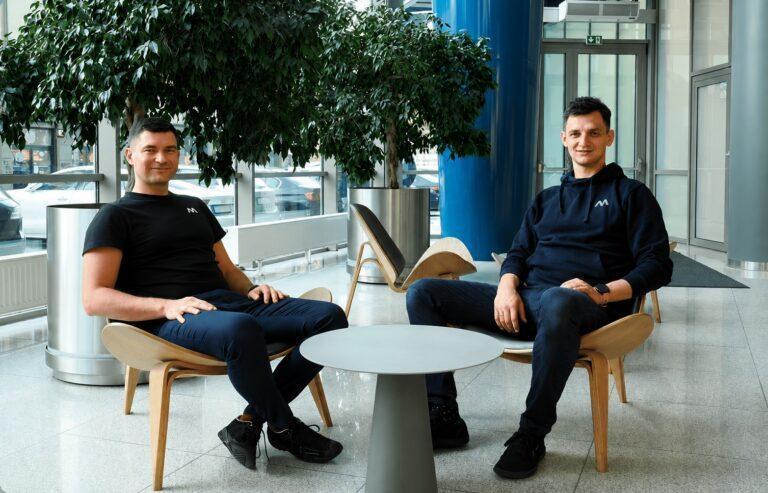
Warsaw-based Microamp has secured EUR 6.5 million from the EIC Accelerator to accelerate development of its Any-G mmWave AI-RAN platform, as Europe intensifies efforts to build sovereign next-generation connectivity infrastructure.
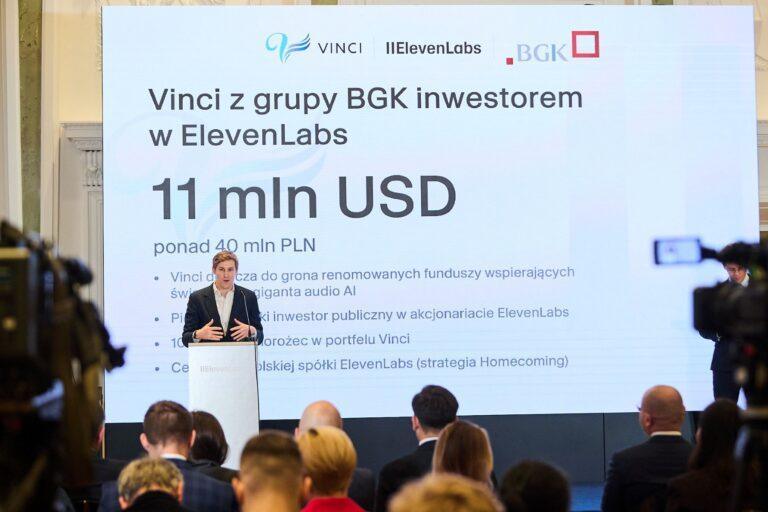
Vinci’s investment in ElevenLabs is modest in size but significant in ambition. The EUR 9.3 million stake comes as the AI decacorn expands globally, suggesting the deal is less about funding and more about building Poland’s emerging artificial intelligence ecosystem.
Moody Pines is building its business on a different premise than much of the industry: that synthetic voices should remain tied to identifiable creators with full control over their use
While Poland continues to struggle with the commercialization of research, Maspex has developed a pragmatic alternative: a decade-long model of structured cooperation with science, focused on measurable industrial outcomes.
Spectrum Group, a Polish filament producer, has secured tens of millions of złoty from Blue Gravity Capital in a bid to expand production and global reach. The strategy hinges on cheaper, better desktop printers reshaping demand – while Chinese manufacturers dominate the hardware side of the market.
cyber_Folks, a Polish e-commerce technology group, is deploying aggressive acquisitions and capital allocation to build a European-scale challenger to U.S. tech incumbents, while simultaneously reshaping its portfolio through a major stake sale in Vercom.
The satellite imaging company is cementing its position as a European deep-tech leader after raising EUR 450 million in a Series F round at a valuation exceeding EUR 10 billion. Investors see growing strategic demand for satellite intelligence and believe the company could reach EUR 30 billion in the longer term.
Poland’s venture capital market is entering a new phase in which the key constraint is no longer capital availability, but the depth and durability of its investor base. At the helm of PFR Ventures, Rozalia Urbanek is betting that the country’s next breakthrough will come not from larger funds, but from a broader pool of long-term investors willing to stay in the asset class.


 Cezary Szczepański

 Szymon Matuszyński
 Anna Bełcik


 Katarzyna Mokrzycka

 Mariusz Bartodziej


 Grzegorz Nawacki
