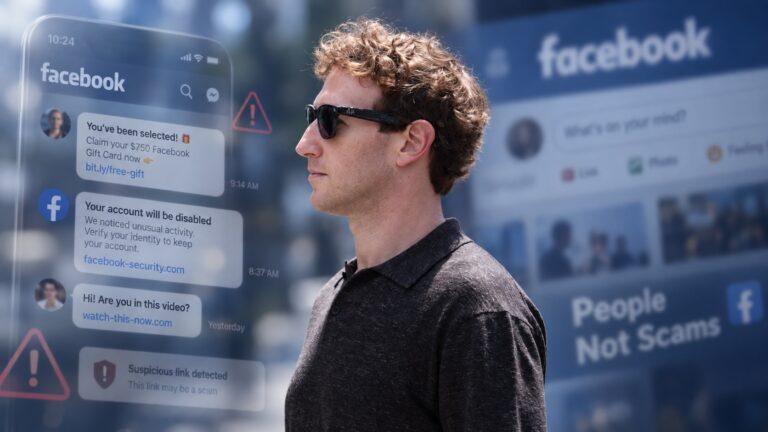
An analysis of 1.76 million ads found that 16.5% were suspicious and more than 28,000 carried a very high risk rating. Meta disputes the methodology and rejects claims that it profits heavily from fraudulent advertising.
The success of a few standout companies has changed how foreign investors view Poland’s technology sector. The next challenge is to turn that attention into a stronger ecosystem, deeper specialization and more international capital.
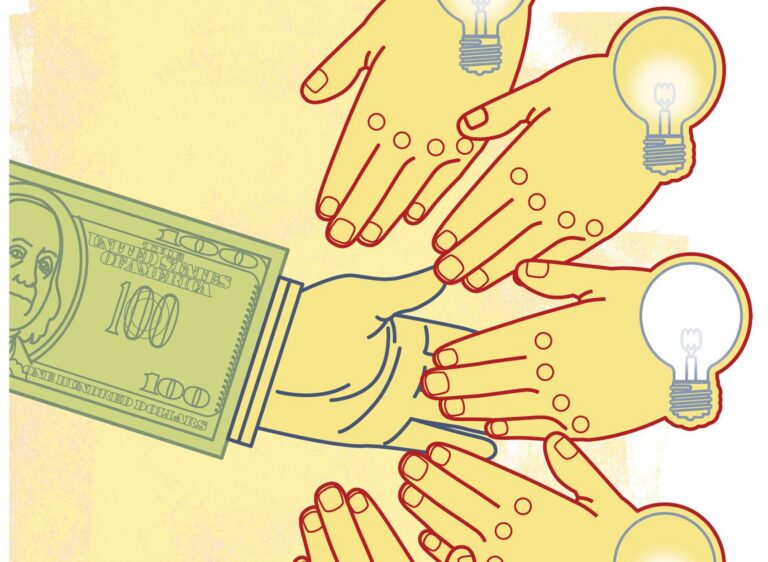
The Polish seed fund has raised its capitalization to PLN 110.3 million (EUR 25.9 million), while keeping its target portfolio at around 24 companies. The extra capital will go toward larger initial checks, follow-on investments and a broader push into foreign deep-tech deals.
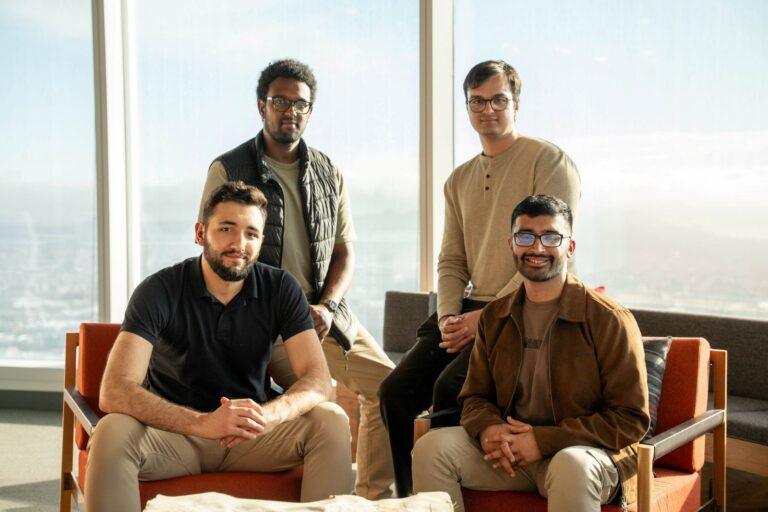
Expanse wants to help companies get more from the AI infrastructure they already own. The San Francisco startup, co-founded by a Pole, has raised USD 5.3m in a seed round joined by AIP Seed.
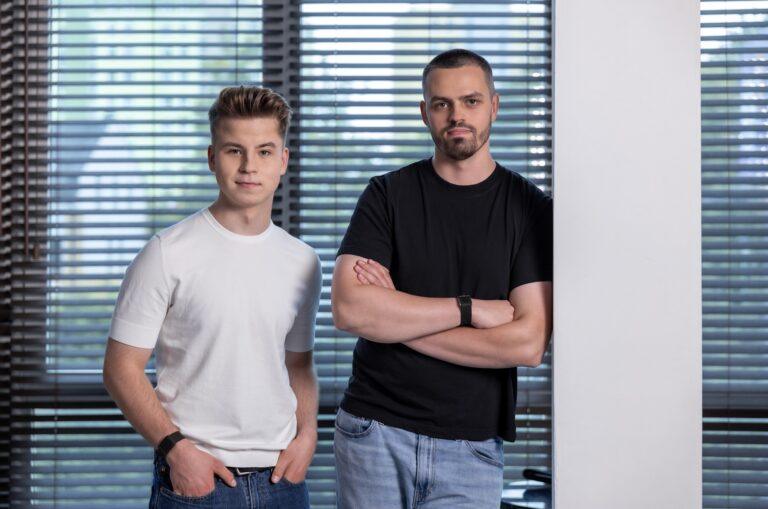
Polish startup TesterArmy has raised about USD 1.2m to develop AI agents that test web and mobile applications from the user’s perspective. The company is now targeting larger customers in the United States
Meta says it is fighting fraud. Yet researchers estimate that scam advertising in Poland could generate hundreds of millions of PLN in annual revenue for the company.
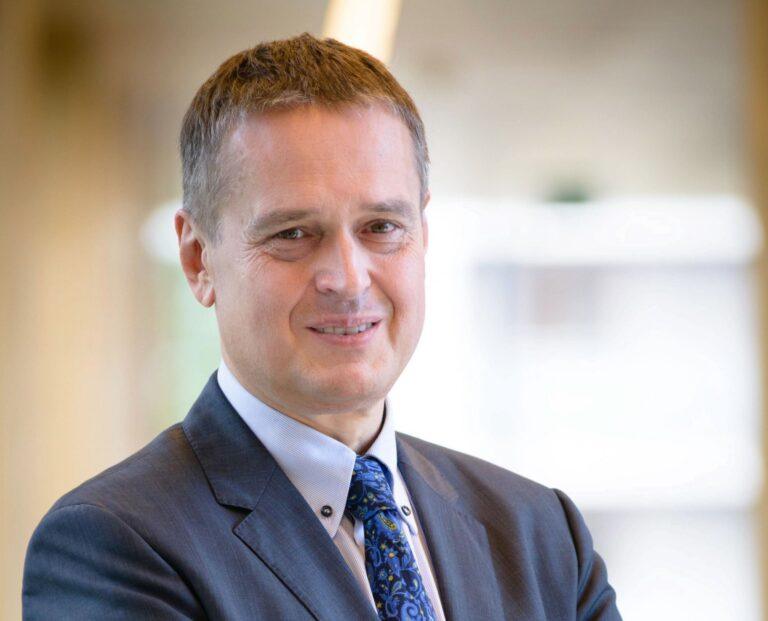
Asseco Data Systems CEO Andrzej Dopierała explains why Polish companies are well positioned in Africa. He also discusses what entrepreneurs looking to invest in this promising continent should be prepared for.
Poland could attract more than USD 200bn in data-center investment by 2050, with spending set to exceed USD 75bn over the next decade alone, according to the latest PwC report seen by XYZ.
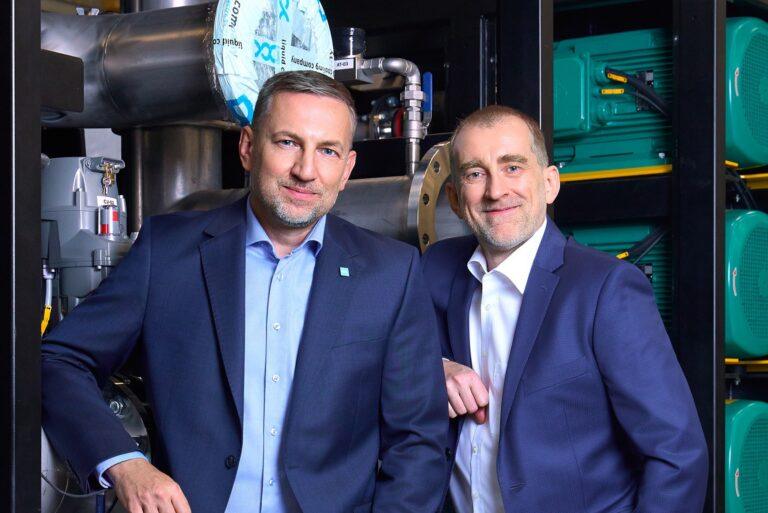
DL Invest and Beyond.pl are two Polish companies considering bids to build an AI gigafactory in Poland, according to information obtained by XYZ. The companies’ executives confirmed the reports in conversations with us—and are now showing their hand in the race for an investment worth billions of euros.

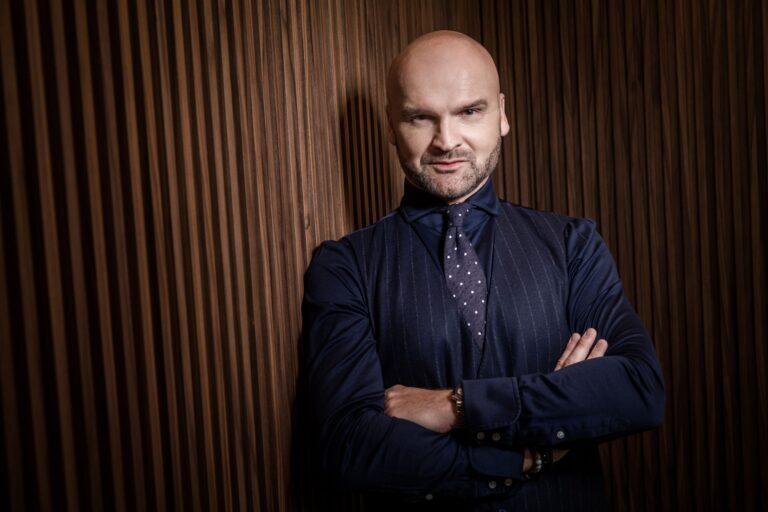
 Cezary Szczepański
 Anna Bełcik
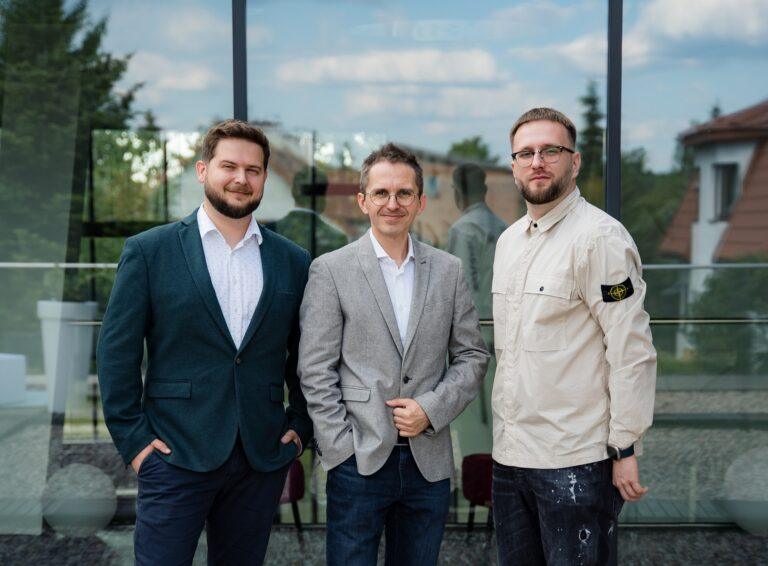
 Andrzej Mężyński