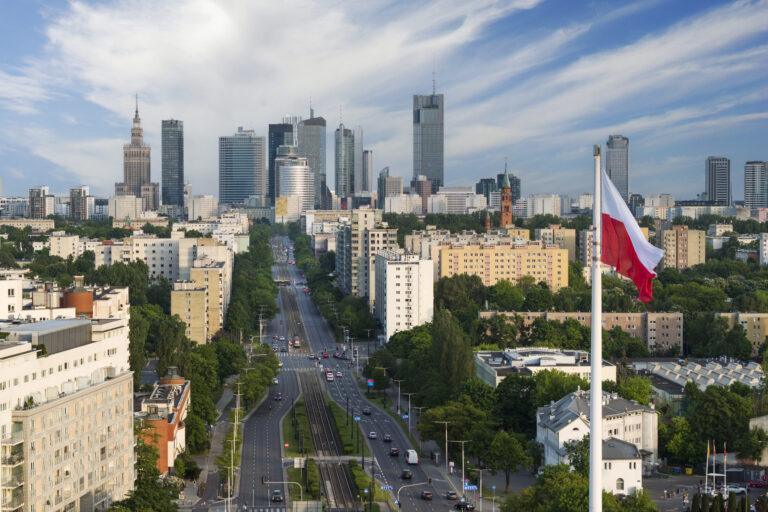
Europe has seen a decline in investment projects, yet Poland has recorded double-digit growth. However, without large-scale, advanced technology investments, a genuine leap in development will remain difficult to achieve.
Maciej Witucki’s rise to head of BusinessEurope reflects Poland’s growing clout – and a broader warning that Europe must tear down internal barriers or risk economic stagnation.
According to the club’s internal projections, Lech Poznań is set to surpass PLN 200 million (approx. EUR 46.5 million) in revenue for the first time in the 2025/26 season. The sporting outlook is equally strong: after winning the Polish championship, the club will be seeded in every round of UEFA Champions League qualifying, including the fourth-round playoff stage.
Ascend Elements, one of the most closely watched investors in Europe’s battery value chain, has entered Chapter 11 proceedings in the United States while simultaneously advancing a multibillion-zloty project in Poland, raising questions about the resilience of its expansion strategy.
The group behind CCC is expanding rapidly in retail space and off-price fashion, yet profitability remains inconsistent as Worldbox struggles and Modivo.com undergoes restructuring.
A wave of job cuts is reshaping Kraków’s business-services industry, with thousands of positions affected across multiple firms. Yet despite the downturn in hiring, authorities insist the city remains one of Central and Eastern Europe’s leading hubs for shared services.
The golden era for Polish banks may be coming to an end. The sector’s combined profit fell sharply in the first quarter as lenders absorbed higher corporate taxes, larger contributions to the Bank Guarantee Fund and the first meaningful effects of lower interest rates.
The CEOs of InPost and Allegro met on the main stage at the Impact conference to debate the future of e-commerce. “This smells like a merger to me,” Grzegorz Nawacki, editor-in-chief of XYZ, quipped as the discussion wrapped up. Here is what unfolded on stage.
Jarosław Królewski sees Wisła Kraków not only as a football club, but as a technology-driven sports laboratory designed to generate revenue beyond match results.
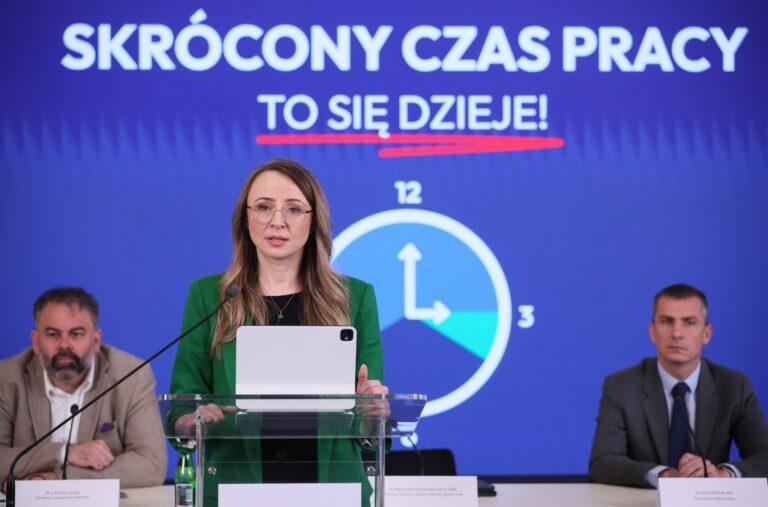
Nearly six months into Poland’s shorter working-time pilot, participants across the public and private sectors report a strikingly similar conclusion: fewer hours do not necessarily mean less work gets done. Yet with state funding due to expire at the end of the year, the biggest test may still lie ahead.

 Małgorzata Grzegorczyk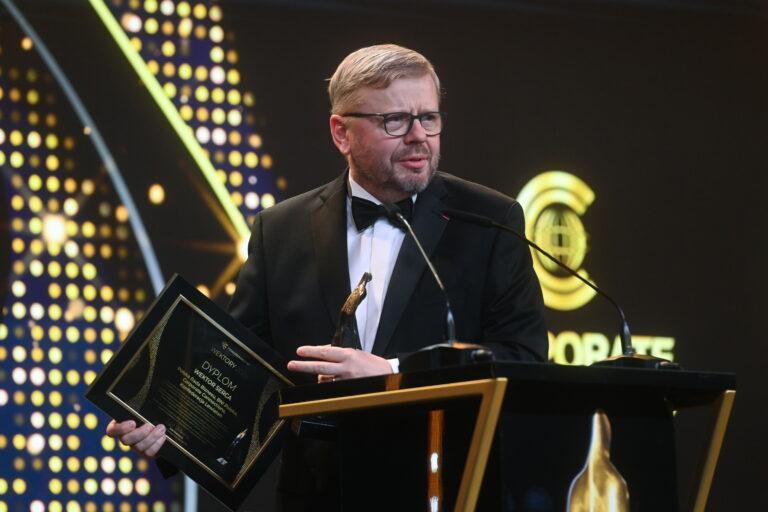
 Grzegorz Nawacki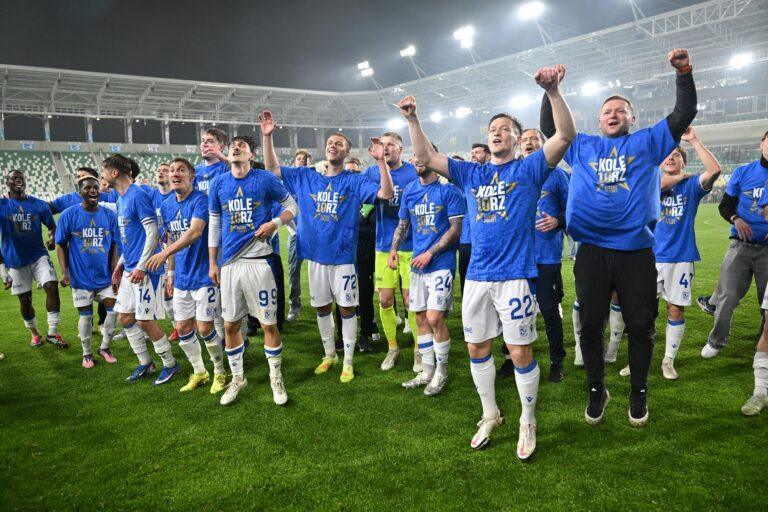
 Jakub Szlendak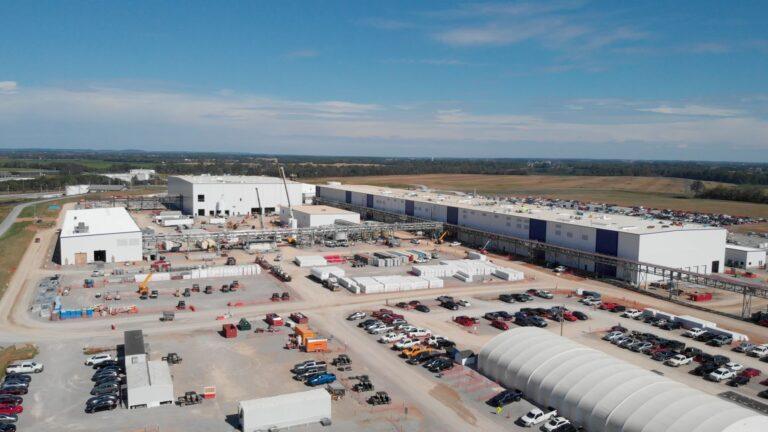
 Mariusz Bartodziej
 Barbara Oksińska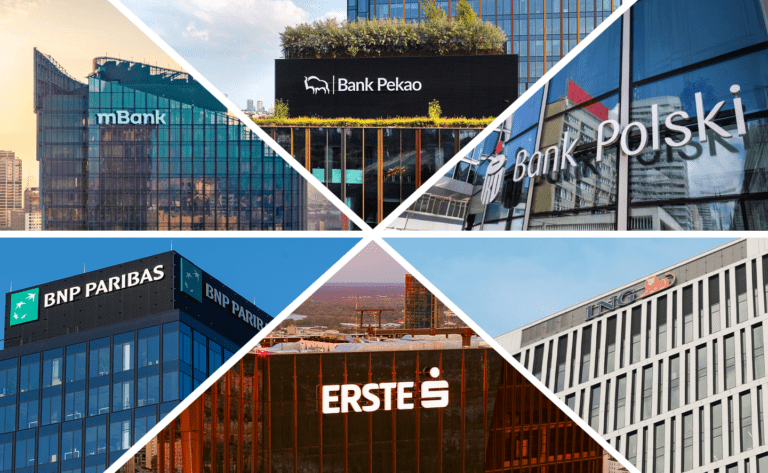
 Piotr Sobolewski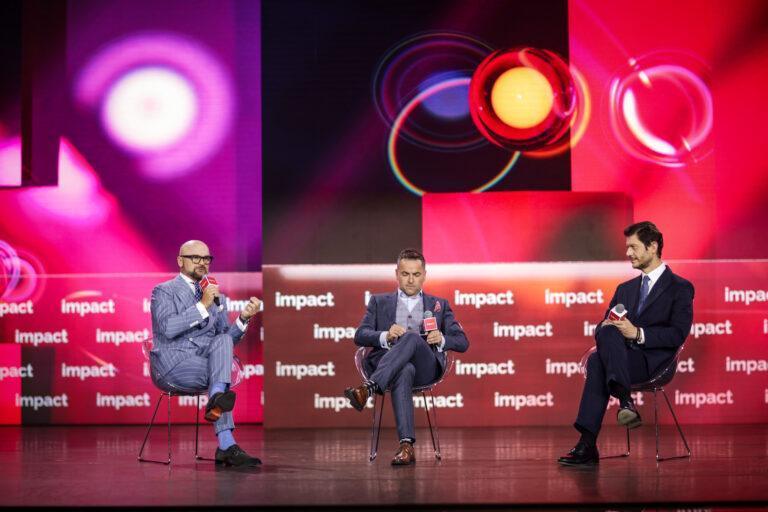
 Cezary Szczepański
 Katarzyna Witwicka-Jurek