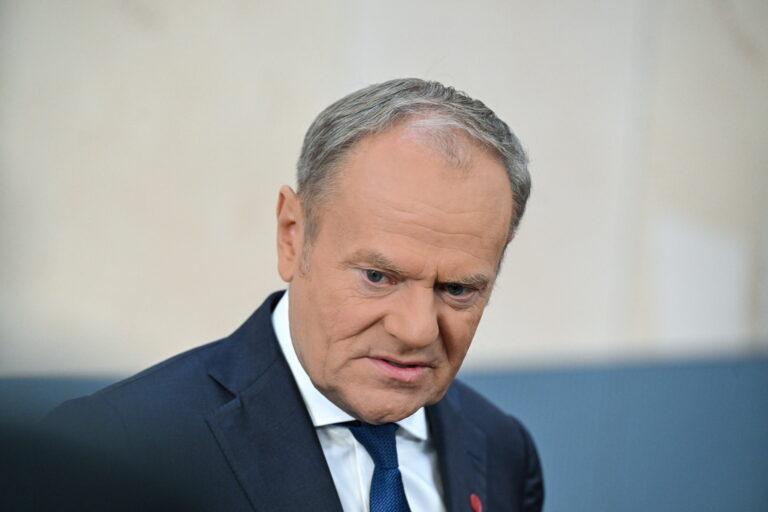
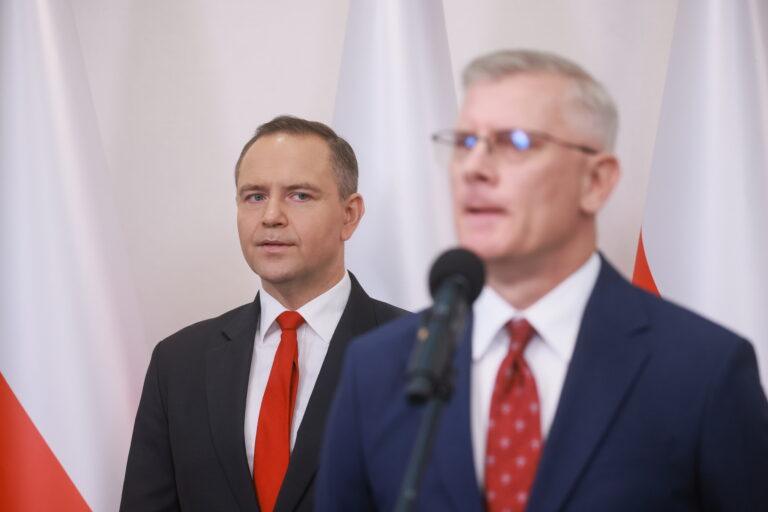
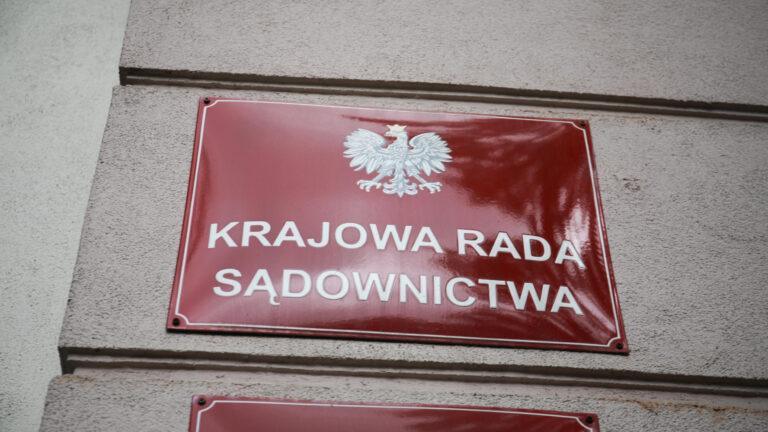
The election of new judges to the National Council of the Judiciary (KRS) does not put an end to the controversy surrounding the body. Attempts to block the reforms could have serious consequences
It is no coincidence that Poland is the first country visited by Péter Magyar as Hungary’s prime minister. The new head of government is counting on more than just an exchange of experience.
There will be fewer American troops in Poland, and both the government and the president were caught off guard by the decision. The move may have come from the US secretary of defense, Pete Hegseth, and it raises serious questions about the security of Poland – and, in a broader sense, Europe as a whole.
What began as a tool for comparing running shoes and holiday destinations is now shaping political choices. Across Europe and beyond, voters are consulting AI chatbots about parties, policies and candidates, while political strategists learn how to manipulate the algorithms behind the answers.
As Poland’s deregulation agenda continues under the government, the Confederation is pushing for a more radical, system-wide overhaul. Its proposals combine institutional restructuring with demands for clearer political responsibility for regulation.
Poland’s political forces have put forward sharply diverging visions for the crypto-assets market – ranging from tighter supervision under the financial regulator to a presidential proposal with stronger court safeguards, and a PiS-backed initiative calling for a complete ban.
Marcin Mastalerek, once a close ally of President Andrzej Duda, wants voters to decide the future shape of Poland’s political system. He argues that rivalry between the president and the government has become more intense than ever – and that only a referendum can break the deadlock.
President Karol Nawrocki’s push for a new constitution and a referendum on EU climate policy signals a broader political strategy: consolidating the right and preparing the ground for future institutional change. Yet constitutional constraints and Senate arithmetic make immediate results unlikely.
Beneath stable polling figures, Donald Tusk’s coalition is showing signs of fragmentation, with disputes over fiscal policy, minority rights and EU relations exposing a lack of strategic coherence. Economic confidence among voters, however, continues to mask political disunity.
The resignation of Poland’s top presidential security adviser underscores the decisive role of counterintelligence agencies in high politics – and the limits of judicial intervention in administrative disputes.

 Rafał Mrowicki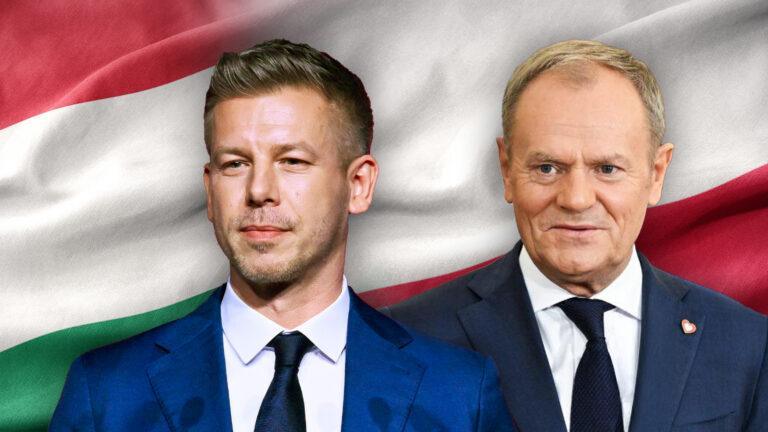
 Marek Skawiński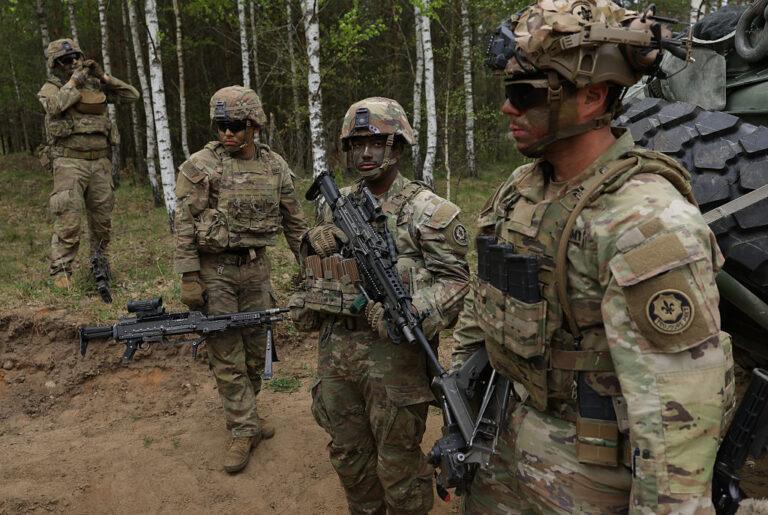
 Łukasz Maziewski
 Krzysztof Figlarz
 Łukasz Grzesiczak