March’s macroeconomic data point to the Polish economy’s considerable resilience. But rising inflation and a jump in energy prices are already signaling challenges ahead. Financial markets attempted to recover from the earlier geopolitical shock, although not every segment has regained its balance
Most economies in Central and Eastern Europe are still showing signs of recovery. Poland remains the region’s growth leader, though Lithuania and Czechia are also gaining momentum. Romania and Slovakia, meanwhile, are grappling with a slowdown and macroeconomic imbalances. The region is heading into 2026 facing the risk of a mild cooling in economic activity and higher inflation.
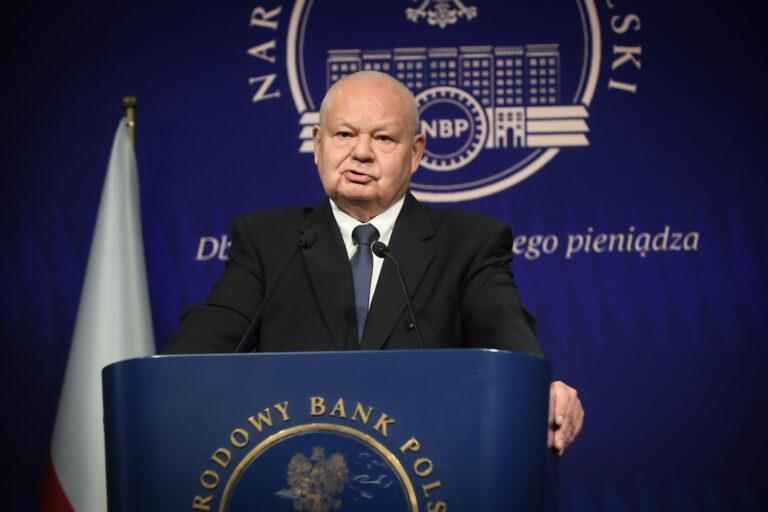
As expected, the Monetary Policy Council (RPP) left interest rates unchanged, keeping the reference rate at 3.75%. There are many factors limiting the risk of a sharp rise in inflation. However, the governor of the National Bank of Poland (NBP) admitted that the likelihood of rate hikes has increased. Markets are already pricing them in.
Forecasts point to Poland as the EU’s sixth-fastest-growing economy in 2027–2031, yet the broader trend is unmistakable: growth is decelerating and the gap with Western Europe is narrowing.
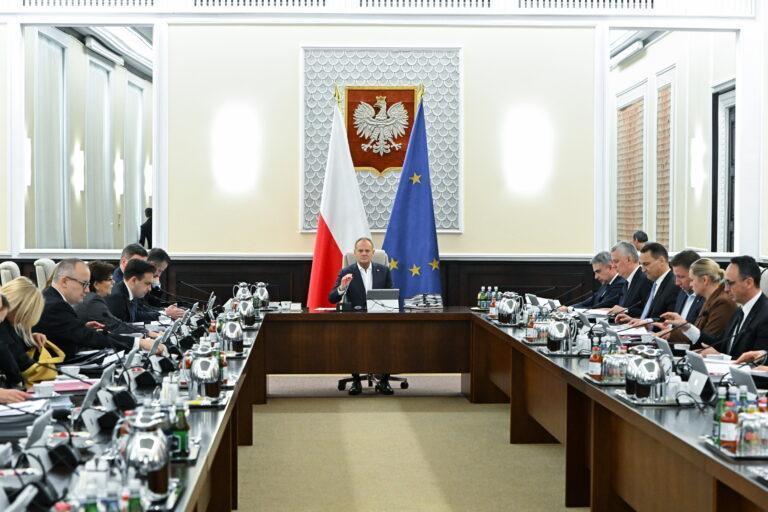
The government has published a report on the implementation of its medium-term budgetary and structural plan, which sets the core framework for fiscal policy in 2025–2028. The Ministry of Finance has also released its macroeconomic assumptions for 2025–2030.
Inflation reached 3.2% year-on-year in April, according to Statistics Poland’s flash estimate. The increase was driven chiefly by fuel prices, which surged by as much as 8.4% y/y. This was compounded by higher electricity and gas prices, up 4.7% y/y. Compared with March, overall prices in the economy rose by 0.6% in April.
Mutual trust between European nations varies significantly and remains unevenly distributed. The data also reveal persistent asymmetries in how Poland perceives others - and how it is perceived in return.
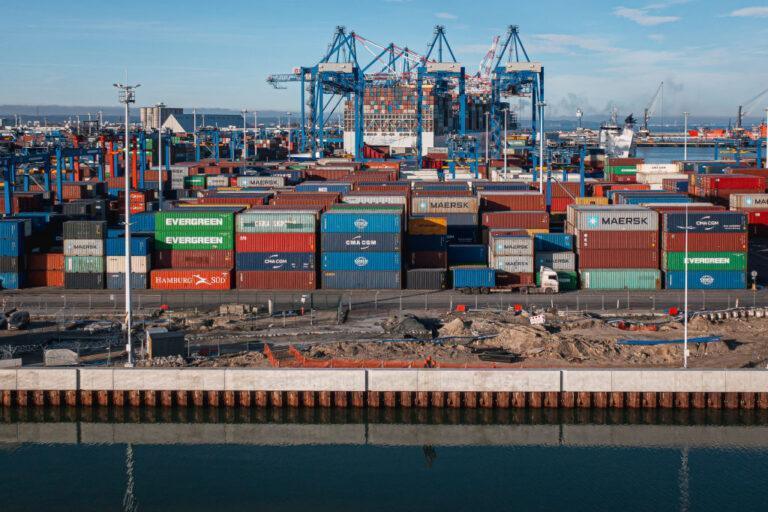
Polish exports are expanding at a brisk pace. In just six years, their value has risen by more than 50%, reaching USD 411bn (EUR 366bn) in 2025. This performance rests on a broad geographical diversification. Polish goods are becoming increasingly visible in markets beyond Europe.
Retail sales in constant prices rose by 8.7% year on year in March, according to Statistics Poland. That marks the strongest reading since April 2022 and a notable improvement on February, when growth stood at 5% year on year.

 Marek Skawiński

 Michał Kulbacki